Difference between revisions of "Category:Children--1920s (film subject)"
(→1929) |
(→1929) |
||
| Line 189: | Line 189: | ||
* [[:File:1929 Benoit-Levy & Epstein (film).jpg|'''Peau de pêche / Peach Skin''']] (1929 Benoît-Lévy/Epstein) -— Maurice Touzé -- Oct 25, 1929 (France Wide Release) | * [[:File:1929 Benoit-Levy & Epstein (film).jpg|'''Peau de pêche / Peach Skin''']] (1929 Benoît-Lévy/Epstein) -— Maurice Touzé -- Oct 25, 1929 (France Wide Release) | ||
* [[:File:1929 ( | * [[:File:1929 Hopper (film).jpg|'''Square Shoulders''']] (1929 Hopper) -- Junior Coghlan & Philippe De Lacy -- Mar 10, 1929 (US Wide Release) | ||
* [[:File:1929 Sloane (film).jpg|'''Hearts in Dixie''']] (1929 Sloane) -- Eugene Jackson & Matthew 'Stymie' Beard -- Feb 27, 1929 (Gaiety Theatre World Premiere) / March 10, 1929 (US Wide Release) | * [[:File:1929 Sloane (film).jpg|'''Hearts in Dixie''']] (1929 Sloane) -- Eugene Jackson & Matthew 'Stymie' Beard -- Feb 27, 1929 (Gaiety Theatre World Premiere) / March 10, 1929 (US Wide Release) | ||
Revision as of 14:35, 11 October 2026
Children--1920s (film subject)
.

Just Pals (Ford, 1920)

Dinty (Neilan, 1920)

The Kid (Chaplin, 1921)

Crainquebille (Feyder, 1922)

Oliver Twist (Lloyd, 1922)

Captain January (Cline, 1924)

Little Annie Rooney (1925)

The Rag Man (1925)

Poil de Carotte (Duvivier, 1925)

Visages d'enfants (1925)

Sparrows (Beaudine, 1926)

Gribiche (1926)

The Jazz Singer (Crosland, 1927)

The Student Prince in Old Heidelberg (Lubitsch, 1927)
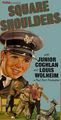
Square Shoulders (1929)
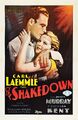
The Shakedown (1929)


.
.
- Category:Children--1890s (film subject)
- Category:Children--1900s (film subject)
- Category:Children--1910s (film subject)
- Category:Children--1920s (film subject)
- Category:Children--1930s (film subject)
- Category:Children--1940s (film subject)
- Category:Children--1950s (film subject)
- Category:Children--1960s (film subject)
- Category:Children--1970s (film subject)
- Category:Children--1980s (film subject)
- Category:Children--1990s (film subject)
- Category:Children--2000s (film subject)
- Category:Children--2010s (film subject)
- Category:Children--2020s (film subject)
.
Overview
. Between 1920 and 1929, the presence of children in cinema reached its silent-era zenith and underwent a critical technological evolution, transitioning from high-energy physical slapstick into complex psychological dramas and synchronized talking pictures. Driven by the formalization of the studio star system, this decade birthed the first global child megastars, expanded international children’s narratives, and utilized youth to bridge the gap between silent pantomime and sound.
A defining feature of the 1920s was the emergence of the child actor as a massive global commercial brand. Propelled by six-year-old Jackie Coogan in Charlie Chaplin’s The Kid (1921), children were no longer treated as interchangeable background elements. Coogan’s naturalistic, deeply expressive acting style proved that a child could carry the emotional and financial weight of a feature-length film, sparking a wave of custom-built vehicles like My Boy (1921) and The Rag Man (1925). Concurrently, adult superstar Mary Pickford perfected her virtuoso subversion of age, using forced-perspective sets to play tough pre-adolescents in gothic masterpieces like Sparrows (1926). This era also birthed the foundational template for ensemble youth comedy through Hal Roach’s Our Gang (The Little Rascals) franchise, starting with One Terrible Day (1922), which cast real, everyday kids getting into unscripted mischief and notably broke racial barriers by cementing Ernie "Sunshine Sammy" Morrison as the first Black child star in Hollywood history.
Crucially, the late 1920s saw the cinematic child move away from pure innocence to become a powerful lens for historical scale, social critique, and dark family melodrama. In Europe, children’s perspectives were used to frame monumental political upheavals, as seen in the legendary schoolyard military tactical battle anchored by young Nicolas Roudenko in Abel Gance's masterpiece Napoléon (1927). Meanwhile, gritty domestic dramas like Sorrell and Son (1927) and Junior Coghlan's Square Shoulders (1929) established a heavy, tear-jerking cinematic trope focused on intense parental sacrifice and the emotional reconciliation between broken fathers and their fiercely loyal sons.
Finally, child actors became the vital guinea pigs and trailblazers for early transnational cinema and technological shifts. Internationally, Syd Nicholls' The Kid Stakes (1927) in Australia made history as one of the world's first feature-length comic book adaptations starring an all-child cast. In Japan, master director Yasujirō Ozu used six-year-old Tomio Aoki in A Straightforward Boy (1929) to translate American slapstick timing into eastern comedy. As the decade closed, child actors seamlessly ushered in the sound era; Bobby Gordon anchored the crucial childhood rebellion sequences in the first-ever talkie The Jazz Singer (1927), while Eugene Jackson navigated intense racial and economic themes in the landmark all-talking African-American studio musical Hearts in Dixie (1929).
Ultimately, by 1929, the cinematic child had evolved into a sophisticated, multi-dimensional force capable of executing precise physical stunts, delivering heavy dramatic monologues, and singing on synchronized tracks, flawlessly setting the stage for the historic child-star monopolies of the 1930s. .
1920
.
- The Son of Tarzan (Flaven & Revier), serial -- Feb 06, or Mar 01, 1920 -- Gordon Griffith & Mae Giraci
- The Jack-Knife Man (Vidor), film -- Aug 01, 1920 -- Bobby Kelso
- Huckleberry Finn (Taylor), film -- Aug 01, 1920 -- Lewis Sargent
- The Soul of Youth (Taylor), film -- Sep 01, 1920 -- Lewis Sargent & Ben Alexander
- Just Pals (Ford), film -- Oct or Nov 21, 1920 -- Georgie Stone
- Dinty (Neilan & McDermott), film -- Nov 29, 1920 -- Wesley Barry
1921
- Jan 16, 1921 -- The Kid (Chaplin), film -- Jackie Coogan -- This iconic silent comedy-drama marks Charlie Chaplin's first feature-length film as a director, propelling six-year-old Jackie Coogan into global stardom. Coogan delivers a deeply moving performance as an abandoned child raised by the Little Tramp, forming a legendary on-screen partnership built on survival, mischief, and a profound emotional bond. The film stands as a decisive breakthrough in the history of the child star, proving that a juvenile performer could completely carry the dramatic and commercial weight of a feature film alongside one of the world's greatest adult actors. <EXTANT; online YES; music YES>
- >> Cf. Mar 13, 1921 -- Oliver Twist, Jr. (Webb), film -- Harold Goodwin & Harold Esboldt -- A unique, modern 20th-century American reimagining of Charles Dickens' classic novel. Former child star Harold Goodwin plays the titular orphan who is raised in a New York orphanage before running away to the city streets, where he unknowingly falls into a gritty underworld gang of thieves run by Fagin and Bill Sikes.
- Apr 24, 1921 -- Peck's Bad Boy (Wood), film -- Jackie Coogan & Gloria Wood -- • Directed by Sam Wood, this popular comedy features seven-year-old Jackie Coogan as Henry "Hennery" Peck, a mischievous neighborhood prankster who causes farcical chaos for his strict father (James Wang). Conceived and promoted specifically around Coogan's post-The Kid celebrity, this production marks the first major industrial attempt to turn his success into a continuing commercial series of child-star vehicles, sparking massive external merchandising campaigns including character dolls. <EXTANT; online YES; music YES>
- >> Cf. Sep 15, 1921 -- Little Lord Fauntleroy (Green & Pickford), film -- Mary Pickford -- Continuing her trademark tradition of portraying young children well into adulthood, a 29-year-old Mary Pickford takes on the dual roles of a sweet-natured boy and his widowed mother. The film is celebrated for its stunning technical achievements and flawless double-exposure special effects that allowed Pickford to seamlessly share the screen with herself.
- Dec 25, 1921 -- My Boy (Austin & Heerman), film -- Jackie Coogan -- Directed by Albert Austin and Victor Heerman, this immigration drama was custom-built to showcase the emotional dramatic range of seven-year-old Jackie Coogan. Coogan portrays a young boy who arrives at Ellis Island completely orphaned after his mother passes away during the transatlantic voyage, slipping past immigration officers to find a new home with a grumpy, impoverished old sea captain played by Claude Gillingwater. The production represents the deliberate industrial consolidation of the Coogan vehicle, designed explicitly to keep a juvenile performer at the emotional center of a major studio feature series. <EXTANT; online YES; music YES>
1922
- Feb 20, 1922 -- Penrod (Neilan), film -- Wesley Barry & Gordon Griffith -- Based on Booth Tarkington's 1914 novel, this silent comedy-drama places fourteen-year-old Wesley Barry at the center of a feature-length production. Barry portrays Penrod Schofield, a mischievous neighborhood boy who leads a secret juvenile defense association to challenge adult authority, before unexpectedly running afoul of genuine town outlaws. The film serves as a key case study for the emergence of the named, specialized child star as a repeatable and bankable box-office asset.
- Aug 07, 1922 -- Trouble (Austin), film -- Jackie Coogan & Wallace Beery -- Directed by Albert Austin, this independent feature represents a highly calculated step in the early child-star system, custom-tailored to capitalize on Jackie Coogan's global celebrity following The Kid. The script positions Coogan as Danny, an orphan adopted by a brutal, abusive plumber played by Wallace Beery. The narrative functions as a vehicle organized entirely around the specific age, emotional pathos, and established screen identity of its juvenile lead. <EXTANT; online YES; music YES>
- Sep 10, 1922 -- One Terrible Day (McGowan), film -- Jackie Condon, Ernie Morrison, Mickey Daniels, Allen “Farina” Hoskins & the Our Gang children -- Produced by Hal Roach, this foundational short film officially launched the iconic Our Gang (Little Rascals) comedy franchise. Moving decisively away from individual child-star vehicles, the series introduced a radical alternative model centered on a recurring, diverse juvenile ensemble behaving naturally on screen. The short also marks a major cultural milestone by cementing Ernie "Sunshine Sammy" Morrison as cinema's very first Black child star. <EXTANT; online YES; music YES>
- Sep 17, 1922 -- Timothy's Quest (Olcott), film -- Joseph Depew & Helen Rowland -- Directed by Sidney Olcott, this moving rural drama stars child actor Joseph Depew as Timothy alongside toddler Helen Rowland as his sister, Lady Gay. Adapted from the Kate Douglas Wiggin story, the narrative tracks the two orphans as they run away from a squalid urban slum on a freight car bound for rural Maine. The production is structurally significant for focusing entirely on the internal psychological and emotional perspective of children on a quest for a real home. <EXTANT; online YES; music YES>
- Oct 30, 1922 -- Oliver Twist (Lloyd), film -- Jackie Coogan & Edouard Trebaol -- Directed by Frank Lloyd, this high-profile prestige adaptation demonstrated that Jackie Coogan's standalone marquee power was sufficient to anchor a massive, large-scale Dickens production. Coogan's expressive dramatic choices guide the titular orphan through the cruelty of the workhouse and into a London street pickpocketing gang overseen by Fagin, played by Lon Chaney. Operating on an exceptional $500,000 budget, the film marks a definitive historical peak in early studio system child-star exploitation. <EXTANT; online YES; music YES>
- Nov 15, 1922 -- Crainquebille (Feyder), film -- Jean Forest -- Directed by Jacques Feyder, this monumental French silent production features non-professional child actor Jean Forest as "La Souris" (The Mouse), a streetwise Parisian orphan whose compassionate intervention rescues a despairing vegetable peddler from severe alcoholism. Discovered by Feyder on the streets of Paris, Forest's naturalistic, highly restrained physical choices offer a stark ideological and aesthetic counterpoint to the commercialized, heavily managed American child-star model. <EXTANT; online YES; music YES>
- Nov 28, 1922 -- Great Expectations (Sandberg), film -- Martin Herzberg & Esther Kjær Jensen -- Produced by Nordisk Film in Denmark, this atmospheric silent adaptation of Charles Dickens' literature utilizes young Martin Herzberg to carry the critical early movements of the narrative. Herzberg delivers a substantial, highly layered performance as the vulnerable orphan boy Pip, navigating his haunting initial encounters with an escaped convict in the bleak marshes and his introduction to Miss Havisham. The film treats the child as an independent, deep dramatic protagonist rather than a mere placeholder for an adult actor. <EXTANT; online YES; music YES>
- Dec 05, 1922 -- David Copperfield (Sandberg), film -- Martin Herzberg & Else Nielsen -- Produced by Nordisk Film in Denmark as part of director A.W. Sandberg's ambitious, large-scale Dickens prestige cycle. Ten-year-old Danish actor Martin Herzberg delivers a breakthrough performance as David Copperfield during the critical childhood segments, while young Else Nielsen co-stars as the juvenile Agnes. Herzberg's ethereal on-screen presence guides the narrative through the dark psychological fallout of his mother's death and the rigid, abusive discipline of his stepfather, Mr. Murdstone. The production represents a peak in European narrative scale, fully positioning the child actor to carry complex emotional and structural weight before transitioning the character arcs to adult performers Gorm Schmidt and Karen Winther. <EXTANT; online YES; music YES>
1923
- Jun 18, 1923 -- Penrod and Sam (Beaudine), film -- Ben Alexander, Joe Butterworth & Buddy Messinger -- Directed by William Beaudine for First National, this acclaimed Tarkington adaptation shifts focus away from isolated child stars toward a collaborative juvenile ensemble. Nine-year-old Ben Alexander portrays Penrod Schofield, leading a neighborhood kid defense club through clubhouse secret meetings, playful rivalries, and escalating local pranks. The production successfully constructs an authentic, self-contained world of childhood mischief, balanced by adult characters played by Rockliffe Fellowes and Gladys Brockwell. <EXTANT; online YES; music YES>
- July 30, 1923 — Circus Days (Edward F. Cline), film — Jackie Coogan — Directed by Eddie Cline and produced by Sol Lesser, this feature places eight-year-old Jackie Coogan at the absolute center of a high-stakes big-top adventure based on the novel Toby Tyler. The narrative follows a young boy who escapes his abusive foster home to find refuge and a new family identity inside a traveling caravan troupe. The production serves as a premier textbook example of early Hollywood's capacity to insert a specialized child star directly into established commercial genres while structuring all dramatic and physical stunts entirely around the juvenile lead. <EXTANT; online YES; music YES>
- Oct 22, 1923 -- Mälarpirater / Pirates of the Mälaren (Molander), film -- Tom Walter & Albert Christiernsson Directed by Gustaf Molander for Svensk Filmindustri (SF), this Swedish silent coming-of-age adventure serves as a major European counterpart to American individual child-star vehicles. Based on the popular 1911 novel by Sigfrid Siwertz, the narrative follows a group of neglected, misbehaving boys who steal a sailboat to embark on a liberating, mischievous summer journey across Lake Mälaren. The production is highly significant to performance history for its naturalistic, grounded portrayal of boyhood independence, directly utilizing fifteen-year-old Tom Walter (in his breakout role as Fabian) and Albert Christiernsson (as Erik) to explore the psychological tensions of youthful rebellion rather than lighthearted slapstick. Molander combines dynamic on-location maritime cinematography by Axel Lindblom with mature dramatic depth, setting an influential stylistic template for Scandinavian juvenile storytelling. <EXTANT; online YES; music YES>
- November 26, 1923 — Long Live the King (Victor Schertzinger), film — Jackie Coogan — Directed by Victor Schertzinger, this lavish production marked Coogan's high-prestige debut for Metro Pictures. The script intentionally subverted his established "ragged street child" persona, casting him instead as Crown Prince Otto, a royal boy navigating palace intrigues and political danger alongside adult costars Alan Hale and Rosemary Theby. Operating on an expensive budget with elaborate sets, the film demonstrates the degree to which an independent child star had become capable of carrying a massive studio prestige feature. <EXTANT; online YES; music YES>
- >> cf. Dec 30, 1923 -- Boy of Mine (Beaudine), lost film -- Ben Alexander -- Directed by William Beaudine from Booth Tarkington's short story Misunderstood, this domestic family drama stars Ben Alexander as Bill Latimer. The narrative tracks a sensitive young boy subjected to the unyielding, iron discipline of a wealthy banker father, played by Henry B. Walthall. The resulting emotional strain drives the child to run away, forcing the adult protagonist to confront his severe parenting mistakes. Officially declared a lost film by the National Film Preservation Board, it remains an indispensable historical touchstone documenting the early narrative shift toward psychological realism in childhood storytelling. <LOST>
1924
- April 07, 1924 — A Boy of Flanders (Victor Schertzinger), film — Jackie Coogan — Directed by Victor Schertzinger for Metro-Goldwyn, this adaptation of Ouida's 1872 novel A Dog of Flanders casts Jackie Coogan as Nello, a young orphan who relies on his artistic talents and a rescued dog, Petrasche, to endure rural poverty. The film serves as a prime example of a classic European literary subject reconstructed as an American child-star vehicle. <EXTANT; online YES; music YES>
- >> cf. Jun 01, 1924 -- The Sixth Commandment (Christie), lost film -- Anita Fremault -- Directed by Christy Cabanne for Associated Exhibitors. This heavy domestic melodrama explores complex themes of marital infidelity and moral conflict. It is historically vital for launching the cinematic career of nine-year-old Anita Louise (performing under her birth name, Anita Fremault), whose raw, naturalistic child presence was leveraged by Cabanne to anchor the intense emotional stakes of a family crisis.
- June 01, 1924 -- The Good Bad Boy (Cline), film -- Joe Butterworth & Mary Jane Irving -- Directed by Eddie Cline for B.F. Zeidman Productions. This American comedic melodrama stars child actor Joe Butterworth as Billy Benson, a scrappy neighborhood boy labeled a "bad boy" due to his habit of getting into fistfights to defend his father's reputation. When a crooked executive frames his father to steal a million-dollar fire extinguisher invention, Billy uses his streetwise wits and enlists a literal army of local Boy Scouts to execute a high-stakes, chaotic chase sequence to retrieve the patent. Written and released during the commercial peak of Hal Roach’s Our Gang formula, the film is a vital record of early Hollywood studio operations actively replicating the "scrappy juvenile hero" fad to secure family-wide box-office appeal. <EXTANT; online YES; music YES>
- Jul 06, 1924 -- Captain January (Cline), film -- Baby Peggy -- Directed by Eddie Cline, this commercial hit stars three-year-old Peggy-Jean Montgomery (Baby Peggy) as an orphan rescued from a shipwreck and raised by a lonely lighthouse keeper. Her naturalistic, expressive gestures cemented her status as early Hollywood's primary female counterpart to Jackie Coogan, proving the commercial child-star phenomenon could cross gender boundaries. <EXTANT; online YES; music YES>
- August 25, 1924 — Little Robinson Crusoe (Edward F. Cline & Scott Dunlap), film — Jackie Coogan — Directed by Eddie Cline for Metro-Goldwyn-Mayer, this adventure-comedy features Jackie Coogan as Mickey Hogan, an orphan cabin boy marooned on a remote island with his pet cat. The narrative demonstrates the mature form of the Coogan studio formula: a classic literary trope restructured entirely around the mobility, physical gags, and comic timing of a specialized child star. <EXTANT; online YES; music YES>
- September 28, 1924 — The Family Secret (William A. Seiter), film — Baby Peggy — Directed by William A. Seiter for Universal Pictures, this multi-reel feature features Baby Peggy as Peggy Holmes, a young child who unwittingly becomes the catalyst for uniting her estranged mother and wealthy grandfather. The production illustrates the systematic shift toward utilizing Peggy as a feature-length marquee draw capable of independent box-office success. <EXTANT; online YES; music YES>.
- Oct 19, 1924 — Helen's Babies (William A. Seiter), film — Baby Peggy — Directed by William A. Seiter, this family comedy marks Baby Peggy's final major starring production of her silent career. The plot relies entirely on the toddler's unprompted physical energy and comic interactions with her bachelor uncle, played by Edward Everett Horton. It remains prime historical evidence documenting the brief, hyper-intensive nature of early toddler stardom before industry contract conflicts ended her run at age eight. <EXTANT; online YES; music YES>
- December 26, 1924 -- Les deux gosses / The Two Boys (Mercanton), film -- Jean Mercanton, André Rolane & Jean Forest -- Directed by Louis Mercanton and based on Pierre Decourcelle's celebrated 1880 French novel. This multi-reel silent melodrama centers on an aristocratic count, portrayed by Carlyle Blackwell, who wrongly suspects his wife's fidelity and callously abandons his young son, Jean (Jean Mercanton), to be raised by a ruthless criminal. The narrative follows the boy as he forms an inseparable bond with a fellow young orphan, Claudinet, portrayed as an infant by André Rolane and later as an adolescent by Jean Forest. Highly significant to performance history, the production demonstrates early European feature cinema's capacity to deploy a disciplined, layered ensemble of child actors to sustain heavy psychological themes of paternal betrayal, class stratification, and emotional resilience without relying on American slapstick conventions. <EXTANT; online YES; music YES>
- Dec 29, 1924 -- Peter Pan (Brenon), film -- Betty Bronson, Philippe De Lacy & Mary Brian -- Directed by Herbert Brenon for Paramount Pictures, this historic first cinematic adaptation of J.M. Barrie's play features seven-year-old child star Philippe De Lacy as Michael Darling. While the older Betty Bronson portrays Peter Pan, De Lacy handles the core physical child sequences—including the iconic flying nurseries—solidifying his trajectory as early Hollywood's most heavily utilized juvenile contract actor. <EXTANT; online YES; music YES>
1925
- Jan 1, 1925 — Visages d'enfants (Jacques Feyder), film — Jean Forest — Directed by Jacques Feyder and filmed on location in the Swiss Alps, this French-Swiss masterpiece stands as a towering achievement in early psychological naturalism. Ten-year-old Jean Forest delivers a deeply nuanced, restrained performance as Jean Amsler, a young boy struggling to process intense grief and resentment following his mother’s sudden death and his father's swift remarriage. Breaking away from typical lighthearted Hollywood slapstick or heavy melodrama, Feyder relies on Forest’s facial expressions to drive a sophisticated exploration of childhood trauma, establishing the film as a crucial historical benchmark for European psychological realism. <EXTANT; online YES; music YES>
- Feb 16, 1925 -- The Rag Man (Cline), film -- Jackie Coogan -- Directed by Edward F. Cline, this comedic melodrama stands as the first production made by Jackie Coogan entirely under the newly consolidated Metro-Goldwyn-Mayer banner. Ten-year-old Coogan stars as Timothy Patrick Kelly, an orphan who escapes a Lower East Side orphanage fire and forms a junk-dealing street business partnership with an impoverished elderly man played by Max Davidson. The production showcases the full maturity of the independent Coogan star formula, intentionally designed from the opening titles to balance slapstick street mobility with high-stakes emotional pathos. <EXTANT; online YES; music YES>
- October 18, 1925 -- No Father to Guide Him (R. McCarey), film -- Mickey Bennett -- Directed by Raymond McCarey (often credited as Raymond Finn) and supervised by Leo McCarey for Hal Roach Studios, this silent comedy short stars veteran comedian Charley Chase alongside four-year-old child actor Mickey Bennett. The domestic farce parodies high-society custody battles, tracking a separated father who disguises himself as a Scottish nursemaid to sneak onto a beach and spend time with his young son. Bennett handles his physical cues with disciplined comedic timing, serving as the central narrative target around which the adult slapstick revolves. The short is structurally valuable to performance history for demonstrating how Hal Roach Studios successfully integrated toddler-aged actors into sophisticated, adult marital satires rather than limiting them to isolated, kid-centric neighborhood adventures. <EXTANT; online YES; music YES>
- Oct 18, 1925 -- Little Annie Rooney (Beaudine), film -- Mary Pickford, Gordon Griffith & child actors -- Directed by William Beaudine, this massive commercial triumph features thirty-three-year-old studio titan Mary Pickford utilizing forced perspective to slip into the role of a twelve-year-old tenement tomboy who rallies a multi-ethnic street gang to solve her father's murder. While Pickford anchors the marquee, the film is historically significant to child performance history for embedding her stylized performance within a genuine collective ensemble of local, uncredited child actors who provide a highly naturalistic, gritty backdrop of 1920s neighborhood youth culture. <EXTANT; online YES; music YES>
- November 9, 1925 — Old Clothes (Edward F. Cline), film — Jackie Coogan — Directed by Edward F. Cline for Metro-Goldwyn-Mayer, this direct commercial sequel to The Rag Man features Jackie Coogan and Max Davidson reprising their scrap-metal partnership. The narrative follows the duo as they Lose their copper stock fortune and resume their lives as junk dealers, taking in a destitute young boarder played by Joan Crawford in her historic first-ever credited screen performance under her iconic studio name. The film serves as critical empirical evidence tracking the industrial seriality of the silent child star, inviting audiences back for a familiar, repeating juvenile persona rather than a standalone narrative. <EXTANT; online YES; music YES>
- Dec 22, 1925 -- Poil de carotte (Duvivier), film -- André Heuzé -- Directed by Julien Duvivier, this French silent psychological drama adapts Jules Renard's classic autobiographical 1894 novel. Twelve-year-old André Heuzé delivers a devastatingly raw, unsparing performance as François Lepic, an unloved boy who endures severe psychological and emotional abuse from a cruel mother and a completely detached father. Shunning Hollywood's idealized sentimentality, Duvivier uses Heuzé's naturalistic acting style and expressive visage to forge a landmark piece of social realism that handles heavy themes of childhood depression and suicidal ideation, establishing a major milestone for early international avant-garde juvenile performance. <EXTANT; online YES; music YES>
1926
- Aug 25, 1926 — Beau Geste (Herbert Brenon), film — Philippe De Lacy & Douglas De Lacy -— Directed by Herbert Brenon for Paramount Pictures, this lavish silent adventure epic uses an essential childhood prologue to establish the deep emotional bond between the Geste brothers. Nine-year-old Philippe De Lacy anchors these opening segments as the young Beau Geste, while his real-life brother Douglas De Lacy portrays the young Digby Geste. The production is highly significant to performance history for demonstrating how major studio storytelling systematically integrated professional child contract actors into big-budget prestige features to anchor adult psychological motivations before transitioning the character arcs to adult stars Ronald Colman and Neil Hamilton. <EXTANT; online YES; music YES>
- Sep 19, 1926 -- Sparrows (Beaudine), film -- Mary Pickford, Spec O'Donnell & child actors -- Directed by William Beaudine, this highly acclaimed gothic bayou melodrama features Mary Pickford as Molly, a protective older teenager trapped alongside a group of orphaned children at a cruel, swamp-bound southern "baby farm" run by a sinister family. The narrative reaches its high-stakes climax when Molly leads the juvenile ensemble on a terrifying, suspenseful escape through quicksand and alligator-infested waters. Supported by a naturalistic, highly physical performance by fourteen-year-old Spec O'Donnell as Ambrose, the film stands as a masterpiece of early cinematic suspense, utilizing a disciplined collective of child actors to drive intense visceral audience empathy. <EXTANT; online YES; music YES>
- Dec 10, 1926 -- Gribiche (Feyder), film -- Jean Forest -- Directed by Jacques Feyder for the Albatros company, this French social satire stars twelve-year-old Jean Forest as Antoine "Gribiche" Belot, a polite working-class boy who accepts an offer to be adopted by a wealthy, eccentric American hypocrite promising an elite education. The boy quickly finds himself suffocated by cold, bourgeois luxury, ultimately running away to return to the genuine love of his impoverished widowed mother. The film's entire class critique relies on Forest's naturalistic, highly restrained physical performance, providing a definitive European alternative to Hollywood child-star formulas by treating the child's perspective as the structural center of the narrative. <EXTANT; online YES; music YES>
1927
- Apr 19, 1927 -- The King of Kings (DeMille), film -- Michael D. Moore & Muriel McCormac -- Cecil B. DeMille's monumental, silent biblical epic depicting the final weeks of Jesus Christ's ministry and crucifixion. Child actor Michael D. Moore delivers a highly memorable, poignant performance as Mark, a young lame boy who is miraculously healed by Jesus and later becomes an eyewitness to the crucifixion. -- DeMille's biblical epic includes Michael D. Moore as the young Mark, whose encounter with Jesus forms one of the film's most memorable child-centered episodes. Moore was born in 1914 and therefore was genuinely a child performer, not an adult playing a child. The film demonstrates how major prestige productions could give children substantial dramatic and emotional sequences even when the child was not the overall protagonist. <Extant film / available online>
- April 29, 1927 -- Chang: A Drama of the Wilderness (Cooper & Schoedsack), film -- Ladah, uncredited Lao children & Bimbo the Gibbon -- Directed by Merian C. Cooper and Ernest B. Schoedsack (the future creators of King Kong), this Academy Award-nominated silent ethnographic drama was a massive box office and critical triumph. Filmed entirely on location in the Nan Province of Thailand (then Siam), the narrative frames the real-world daily survival struggles of a poor native farmer, Kru, his wife, and his young children as they defend their jungle outpost against wild predators. The youngest children, particularly the toddler interacting naturally with their pet gibbon Bimbo, function as vital human anchors for the film’s tense pacing and sudden emotional shifts. It remains globally significant to film history as a pioneering hybrid of documentary and re-staged narrative, proving that the unfiltered, unscripted responses of real indigenous children could captivate mainstream western audiences. <Extant film / available online>
- Jun 09, 1927 -- The Kid Stakes (Ordell), film -- Robin 'Pop' Ordell, Charles Roberts & Frank Boyd -- Directed by Tal Ordell and beautifully shot on location in the backstreets of Sydney, this rare gem is historically celebrated as the very first feature-length children's film in Australian cinema history. Based on Syd Nicholls' popular comic strip Fatty Finn, it stars the director's six-year-old son, Robin 'Pop' Ordell, leading a charismatic, non-professional young ensemble cast. The film is globally significant as one of the earliest examples of a comic book character being directly translated into a live-action cinematic feature. -- A landmark Australian children's feature based on Syd Nicholls's Fatty Finn comic strip. Six-year-old Robin Ordell plays Fatty Finn and leads a largely juvenile ensemble through a story set among working-class Sydney children. The National Film and Sound Archive describes it as apparently the first significant Australian feature film centered on children. <Extant film / available online>
- Sep 21, 1927 -- The Student Prince in Old Heidelberg (Lubitsch), film -- Philippe De Lacy -- Ernst Lubitsch's critically acclaimed silent romantic drama detailing the life of a cloistered Austrian prince. Before Ramon Novarro takes over as the adult prince who falls for a down-to-earth barmaid, Philippe De Lacy portrays the young prince as an overprotected, lonely child being raised rigidly for the throne. -- Before Ramon Novarro assumes the adult role, Philippe De Lacy plays the young Prince Karl Heinrich. The film is important in the career of De Lacy because it places a very young performer in a major prestige production with leading adult stars, while making the child's early experience essential to the construction of the adult protagonist. <Extant film / available online>
- Oct 06, 1927 -- The Jazz Singer (Crosland), film -- Bobby Gordon -- Historically revered as the first feature film with synchronized dialogue and music, launching the "talkie" era. While Al Jolson stars as the adult protagonist, child actor Bobby Gordon handles the crucial early sequences, portraying the young Jakie Rabinowitz when he first rebels against his devout cantor father's strict traditions. -- A historically crucial case because the child performer is connected directly to the transition from silent cinema to sound. Bobby Gordon plays Jakie Rabinowitz at thirteen in the opening portion of the film, before Al Jolson assumes the adult role. Although Gordon is not the film's overall star, the child sequence establishes the protagonist's identity and motivation and makes the film a useful marker in the history of juvenile performance at the dawn of sound. <Extant film / available online>
- Nov 13, 1927 -- Sorrell and Son (Plumpton), film -- Mickey McBan -- This prestigious, emotionally raw British-American silent drama showcases child actor Mickey McBan anchoring the critical early narrative layers. McBan portrays the young Kit Sorrell, an infant deserted by his mother and raised by his fiercely devoted, impoverished father who sacrifices his own health working menial hotel jobs to secure his son’s future education, establishing a defining cinematic archetype of self-sacrificing parental love. -- Mickey McBan, born in 1919, plays Kit Sorrell as a child in this major father-and-son melodrama. The film is particularly valuable for documenting the emotional seriousness increasingly assigned to young performers: the child's relationship with his impoverished father is one of the central dramatic structures of the film. <partially lost; not available online>
- Nov 29, 1927 -- Love (Goulding), film -- Philippe De Lacy -- A lavish Metro-Goldwyn-Mayer silent adaptation of Leo Tolstoy's Anna Karenina engineered to showcase the romantic pairing of Greta Garbo and John Gilbert. Ten-year-old child actor Philippe De Lacy anchors the emotional tragedy of the story, playing Serezha Karenin, the beloved little boy Anna is forced to leave behind. -- De Lacy plays Serezha, the young son of Anna Karenina, in the Greta Garbo–John Gilbert adaptation of Tolstoy. His role is brief relative to the adult protagonists but dramatically crucial: the child's presence supplies the emotional center of Anna's separation from her son. AFI credits De Lacy explicitly as “Serezha, the child.” <Extant film / available online>
- December 27, 1927 — Little Mickey Grogan (Leo Meehan), film — Frankie Darro — The film was explicitly announced as Frankie Darro's first starring vehicle. Darro had been a circus performer before becoming a film actor, and the production was deliberately constructed to promote him as a juvenile star. <Extant film / not available online>
1928
- Jan 15, 1928 (US Wide Release) -- Let 'Er Go Gallegher (Clifton), film -- Frank Coghlan Jr. -- Elmer Clifton's silent crime comedy-drama custom-built to showcase the expressive talent of 12-year-old child actor Frank Coghlan Jr. (widely known as Junior Coghlan). Coghlan stars as Johnny Gallegher, a sharp, quick-witted newspaper copy boy who accidentally witnesses a murder committed by a notorious criminal known as "Four Fingers." The gritty, fast-paced narrative sees the brave boy join forces with an arrogant, demoted reporter to hunt down the fugitive crook, culminating in a highly dangerous and thrilling climax. -- Frank Coghlan Jr., known professionally as Junior Coghlan, plays the young newspaper copy boy Gallegher. By this point Coghlan had become sufficiently famous that the press followed not only his films but also his schooling. The film is an excellent example of the late-silent period's mature juvenile-star system. <Extant film; available online>
- March 3, 1928 (?) / March 17, 1928 (US Wide Release) — The Crowd (Vidor), film — Frankie Darro — King Vidor's towering, hyper-realistic New Hollywood precursor and silent masterpiece. In the film's emotionally devastating third act, a 10-year-old Frankie Darro delivers a performance of astonishing maturity and heartbreak as young Junior Sims. Darro beautifully handles a difficult domestic dramatic premise, projecting an unvarnished vulnerability and deep filial love as he watches his family slide into economic ruin and sudden household tragedy, capturing the painful fracture of childhood security with unmatched psychological honesty. -- Darro appears as Junior Sims in the climactic family crisis. This is not a conventional child-star vehicle, but the boy's performance is substantially more than incidental: the child's suffering becomes a decisive emotional element in Vidor's portrait of modern urban family life. It is therefore worth retaining as an example of the increasing dramatic importance of juvenile performance within major adult-oriented films. <Extant film; available online>
- October 07, 1928 — The Circus Kid (George B. Seitz), film — Frankie Darro — Darro plays Buddy, an acrobatic orphan who runs away from an orphanage and joins a circus. This is another explicit juvenile-star vehicle and an especially interesting one because Darro's own circus background becomes part of his screen persona. The film was also released with synchronized music, sound effects and talking sequences, making Darro part of the transition to sound. <Extant film / not available online>
1929
- Peau de pêche / Peach Skin (1929 Benoît-Lévy/Epstein) -— Maurice Touzé -- Oct 25, 1929 (France Wide Release)
- Square Shoulders (1929 Hopper) -- Junior Coghlan & Philippe De Lacy -- Mar 10, 1929 (US Wide Release)
- Hearts in Dixie (1929 Sloane) -- Eugene Jackson & Matthew 'Stymie' Beard -- Feb 27, 1929 (Gaiety Theatre World Premiere) / March 10, 1929 (US Wide Release)
- Square Shoulders (1929 Sloane) -- Junior Coghlan & Philippe De Lacy -- Mar 10, 1929 (US Wide Release)
- A Straightforward Boy (1929 Ozu) -- Tomio Aoki -- Sep 20, 1929 or Nov 23, 1928 (Japan Wide Release)
- The Shakedown (1929 Wyler) -- Jack Hanlon
Media in category "Children--1920s (film subject)"
The following 56 files are in this category, out of 56 total.
 1920.jpg 226 × 226; 5 KB
- 1920 Ford (film).jpg 440 × 653; 94 KB
- 1920 Neilan (film).jpg 2,711 × 3,600; 1.4 MB
 1920 Powell (film).jpg 440 × 675; 115 KB
 1920 Taylor (film) 2.jpg 600 × 865; 117 KB
 1920 Taylor (film).jpg 550 × 858; 111 KB
 1920 Vidor (film).jpg 440 × 570; 87 KB
 1920-1921 Revier (serial).jpg 440 × 651; 115 KB
 1921.jpg 225 × 225; 3 KB
- 1921 Chaplin (film).jpg 440 × 663; 63 KB
 1921 Green - Pickford (film).jpg 611 × 827; 88 KB
 1921 Heerman - Austin (film).jpg 440 × 686; 78 KB
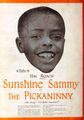 1921 Roach (film).jpg 588 × 840; 65 KB
 1921 Wood (film).jpg 350 × 500; 28 KB
 1922.jpg 225 × 225; 4 KB
- 1922 Feyder (film).jpg 171 × 268; 23 KB
- 1922 Lloyd (film).jpg 440 × 653; 80 KB
 1922 Neilan (film).jpg 440 × 684; 103 KB
 1922 Olcott (film).jpg 713 × 1,000; 92 KB
 1922 Sandberg (film).jpg 189 × 267; 10 KB
 1922-1944 Roach (serial).jpg 494 × 700; 81 KB
 1923.jpg 225 × 225; 4 KB
 1923 Beaudine (film).jpg 1,979 × 3,000; 1.78 MB
 1923 Molander (film).jpg 500 × 750; 46 KB
 1924.jpg 225 × 225; 4 KB
 1924 Brenon (film).jpg 440 × 705; 137 KB
- 1924 Cline (film) 2.jpg 440 × 665; 83 KB
 1924 Cline (film).jpg 188 × 268; 15 KB
 1924 Mercanton (film).jpg 400 × 550; 52 KB
 1924 Schertzinger (film).jpg 297 × 394; 52 KB
 1924 Vertov (film).jpg 354 × 475; 44 KB
 1925.jpg 225 × 225; 4 KB
- 1925 Beaudine (film).jpg 440 × 869; 106 KB
- 1925 Cline (film).jpg 279 × 400; 83 KB
- 1925 Duvivier (film).jpg 1,500 × 2,290; 2.04 MB
- 1925 Feyder (film).jpg 267 × 373; 25 KB
 1925 McCarey (short).jpg 520 × 798; 58 KB
 1926.jpg 225 × 225; 4 KB
- 1926 Beaudine (film).jpg 440 × 612; 117 KB
- 1926 Feyder (film).jpg 310 × 459; 38 KB
 1926 O'Connor (short).jpg 350 × 500; 28 KB
 1927.jpg 226 × 226; 5 KB
- 1927 Crosland (film).jpg 440 × 600; 111 KB
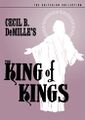 1927 DeMille (film).jpg 348 × 490; 76 KB
 1927 Gance (film).jpg 826 × 1,200; 161 KB
 1927 Goulding (film).jpg 233 × 427; 27 KB
- 1927 Lubitsch (film).jpg 184 × 274; 16 KB
 1928.jpg 226 × 226; 5 KB
 1928 Clifton (film).jpg 440 × 1,143; 170 KB
 1928 Fox (doc).jpg 175 × 231; 8 KB
 1929.jpg 226 × 226; 5 KB
 1929 Benoit-Levy & Epstein (film).jpg 314 × 500; 33 KB
- 1929 Hopper (film).jpg 394 × 778; 45 KB
 1929 Ozu (film).jpg 188 × 268; 9 KB
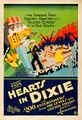 1929 Sloane (film).jpg 500 × 731; 137 KB
- 1929 Wyler (film).jpg 500 × 767; 101 KB


