Category:Children--1960s (film subject)
Jump to navigation
Jump to search
Children--1960s (film subject)
.

Village of the Damned (1960)

Pollyanna (1960)

The Innocents (1961)

Hand in Hand (1961)

It's a Good Life (1961)

To Kill a Mockingbird (1962)

Ivan's Childhood (1962)

Lord of the Flies (1963)

The Three Lives of Thomasina (1963)

The Courtship of Eddie's Father (1963)

Mary Poppins (1964)
- 1965 Favio (film).jpg'''Crónica de un niño solo''' (1965)

The Nanny (1965)
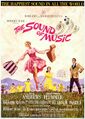
The Sound of Music (1965)

Incompreso (1966)

The Two of Us (1967)

Oliver! (1968)

Yours, Mine and Ours (1968)

Kes (1969)

The Learning Tree (1969)


.
.
- Category:Children--1890s (film subject)
- Category:Children--1900s (film subject)
- Category:Children--1910s (film subject)
- Category:Children--1920s (film subject)
- Category:Children--1930s (film subject)
- Category:Children--1940s (film subject)
- Category:Children--1950s (film subject)
- Category:Children--1960s (film subject)
- Category:Children--1970s (film subject)
- Category:Children--1980s (film subject)
- Category:Children--1990s (film subject)
- Category:Children--2000s (film subject)
- Category:Children--2010s (film subject)
- Category:Children--2020s (film subject)
.
1960
- May 19, 1960 (US Wide Release) -- Pollyanna (Swift), film -- Hayley Mills -- A vibrant and lavishly produced Disney period drama that marked the spectacular American film debut of young Hayley Mills in the title role. Mills delivers an extraordinarily charming performance as a relentlessly optimistic, high-spirited orphan girl who moves in with her wealthy, rigid aunt in a gloomy New England town. By teaching the townspeople her infectious "Glad Game"—finding something to be glad about in any situation—she single-handedly transforms and heals an embittered, divided community.
- ## May 20, 1960 -- Lazarillo de Tormes AKA El Lazarillo de Tormes (Ardavín), film -- Marco Paoletti -- A universally acclaimed Spanish-Italian historical masterpiece that won the prestigious Golden Bear at the Berlin International Film Festival. Nine-year-old Italian child prodigy Marco Paoletti delivers a deeply moving, gritty performance as Lazarillo, an impoverished orphan boy forced to navigate a cruel, hypocritical world by serving a succession of abusive adult masters. The narrative relies entirely on the child's perspective to deliver a blistering, cynical critique of adult society and systemic corruption.
- May 26, 1960 (Cannes Film Festival World Premiere) / October 21, 1960 (France Wide Release) — Zazie in the Metro [Zazie dans le métro] (Malle), film — Catherine Demongeot — Louis Malle's hyperkinetic, avant-garde slapstick comedy adapted from Raymond Queneau's novel. Ten-year-old Catherine Demongeot delivers a tour-de-force, fiercely independent, and endlessly foul-mouthed performance as Zazie, a wildly precocious provincial girl left to stay with her eccentric uncle in Paris. Demongeot completely dominates the screen with an irreverent, chaotic energy, effortlessly navigating a surreal, fast-paced urban odyssey that brilliantly satirizes adult hypocrisy and the rigid structures of French society.
- Jun 16, 1960 or Dec 7, 1960 (UK Wide Release) -- Village of the Damned (Rilla), film -- Martin Stephens -- A chilling British sci-fi horror masterpiece adapted from John Wyndham's novel The Midwich Cuckoos. Child actor Martin Stephens delivers an incredibly unsettling, highly controlled performance as David Zellaby, the emotionless leader of a mysterious group of platinum-blonde children born simultaneously in a quiet English village. Sporting eerie glowing eyes and deadly telepathic powers, the children present a cold, existential threat to the adults around them, turning the film into a tense, unforgettable classic of the "evil children" subgenre.
- Oct 03, 1960 (CBS Network Premiere) -- The Andy Griffith Show (Sweeney/Various), TV series -- Ron Howard -- A beloved, multi-season American sitcom set in the fictional, idyllic town of Mayberry, North Carolina. A very young Ron Howard (credited as Ronny Howard) stars as Opie Taylor, the earnest son of the town's widowed sheriff. The series serves as a foundational milestone for 1960s television, praised for its wholesome moral choices and its sensitive portrayal of a tight-knit father-son bond that launched Howard into national fame as one of the era's definitive child actors.
- ## Oct 24, 1960 -- The Two Faces of Dr. Jekyll AKA House of Fright (Fisher), film -- Janina Faye -- A psychologically intense Hammer Horror production that uniquely utilizes a crucial child character to ground its atmosphere of Victorian dread. Eleven-year-old British child star Janina Faye delivers an unsettling, emotionally raw performance as Jane, a young girl caught in the crossfire of adult depravity and moral collapse, acting as a vital symbol of fractured childhood innocence trying to survive within an adult nightmare.
- ## Dec 23, 1960 -- It Happened in Rome AKA Il mattatore (Risi), film -- Juvenile ensemble -- A sharp Italian comedy-drama directed by Dino Risi that features a critical postwar juvenile framing. The movie utilizes a highly naturalistic group of local Italian children whose sharp wit and street smarts directly mirror the economic shifts, survival mentalities, and evolving street culture of Rome during the heights of the Italian economic miracle.
1961
- Feb 06 or May 17, 1961 (International Premiere) / December 11, 1961 (US Expanded Release) -- Hand in Hand (Leacock), film -- Loretta Parry & Philip Needs -- A deeply moving and tender British drama that tackles complex adult themes through the eyes of pure childhood innocence. Young actors Loretta Parry and Philip Needs give heartwarming, natural performances as two seven-year-old best friends—one a Roman Catholic boy, the other a Jewish girl—who form a deep, unbreakable bond. The narrative chronicles their sweet adventures and pact of loyalty as they actively test and ultimately dismantle the rigid religious prejudices and social barriers imposed by the adults in their community.
- June 21, 1961 (US Wide Release) -- The Parent Trap (Swift), film -- Hayley Mills -- A massive commercial triumph and special-effects showcase for Walt Disney that solidified Hayley Mills as the biggest juvenile star of the decade. Utilizing seamless split-screen technology, Mills pulls off a spectacular dual performance as Susan and Sharon, identical twin sisters separated at birth who accidentally cross paths at a summer camp. Upon discovering their true identity, the charismatic duo hatches an elaborate, comedic scheme to swap places and orchestrate a plan to reunite their long-divorced parents.
- Jul 20, 1961 -- Whistle Down the Wind (Forbes), film -- Hayley Mills, Alan Barnes & Diane Holgate -- A complete artistic and commercial triumph of British cinema marking the directorial debut of Bryan Forbes. Set in rural Lancashire, the allegorical drama stars a 14-year-old Hayley Mills alongside a marvelous young ensemble who discover an injured, escaped murderer hiding in their barn and innocently mistake him for the Second Coming of Jesus Christ.
- ## Aug 10, 1961 -- Seryozha AKA A Summer to Remember (Daneliya & Talankin), film -- Borya Barkhatov -- A critically revered Soviet masterpiece that won the Grand Prix at the Karlovy Vary International Film Festival. Five-year-old Borya Barkhatov delivers an astonishingly naturalistic and emotionally raw performance as Seryozha, a small boy navigating a world of sudden transition when his widowed mother remarries. The narrative completely rejects typical studio precocious child tropes, filtering the entire experience of changing family structures, step-parent bonding, and early childhood anxieties through the literal psychological worldview of a toddler.
- ## Oct 06, 1961 -- No Love for Johnnie (Thomas), film -- Mary Peach & juvenile ensemble -- A cynical and gritty British kitchen-sink drama that utilizes a vital juvenile framing. While primarily focused on a self-serving politician's careerism and moral decay, the film integrates a highly sophisticated portrayal of local school-age children. Their raw encounters, playground dynamics, and sharp observations serve as a bleak, realistic mirror to the emotional neglect and growing generation gap widening in post-war industrial society.
- November 24, 1961 (UK Wide Release) / December 25, 1961 (US Release) -- The Innocents (Clayton), film -- Martin Stephens & Pamela Franklin -- A masterclass in psychological gothic horror adapted by Truman Capote from Henry James's classic novella The Turn of the Screw. Young actors Martin Stephens and Pamela Franklin deliver deeply layered, ambiguous performances as Miles and Flora, two orphaned siblings living on a remote, sprawling Victorian country estate. When their pious new governess becomes convinced that the children are being possessed by the malevolent, hyper-sexualized spirits of deceased servants, a claustrophobic battle of wills ensues, leaving it entirely uncertain whether the ghosts are real or a figment of repressed adult hysteria.
1962
- April 6, 1962 (Moscow World Premiere) / September 1, 1962 (Venice Film Festival) -- Ivan's Childhood (Tarkovsky), film -- Nikolay Burlyaev -- A poetic, visually breathtaking, and harrowing Soviet war masterpiece that won the prestigious Golden Lion at the Venice Film Festival. Fourteen-year-old Nikolay Burlyaev delivers a fierce, searingly emotional performance as Ivan, a twelve-year-old orphan whose entire family was brutally executed by invading Nazi forces. Driven by a consuming desire for vengeance, the boy refuses to be sidelined and instead operates as a daring, hyper-vigilant front-line scout for the Soviet army, navigating a nightmarish landscape where his childhood has been completely incinerated.
- ## Apr 08, 1962 -- Foundry Town AKA Kyūpola no aru machi (Urayama), film -- Sayuri Yoshinaga & Mitsuo Hamada -- A universally acclaimed Japanese social-realist drama that competed at the Cannes Film Festival. The film relies heavily on a naturalistic juvenile ensemble to chart the daily struggles, resilience, and economic pressures faced by ordinary working-class children growing up in an industrial factory town, establishing a vital international development of utilizing youth to mirror the domestic anxieties of postwar reconstruction.
- Apr 18, 1962 (France Wide Release) — The War of the Buttons [La Guerre des boutons] (Robert), film — André Treton, Martin Lartigue & The Child Cast — A phenomenal French comedic drama that became an absolute box-office sensation and won the Prix Jean Vigo. The film relies entirely on a massive, highly organic ensemble of non-professional village boys aged between 6 and 13. Led by André Treton (Lebrac) and the unforgettable little Martin Lartigue (Petit Gibus), the children deliver extraordinarily naturalistic, high-energy performances as two rival groups of schoolboys waging a mock-war in the countryside, capturing a pure, unpolished manifesto of childhood autonomy and peer-group loyalty.
- May 08, 1962 (Cannes Film Festival World Premiere) / October 31, 1962 (US Release) — The Miracle Worker (Penn), film — Patty Duke — A towering, emotionally explosive biographical masterpiece that won two Academy Awards. At just fifteen years old (playing a younger child), Patty Duke delivers a legendary, tour-de-force physical performance as Helen Keller, a blind and deaf girl trapped in an isolated, silent world of unvented frustration. Duke completely dominates the screen, projecting an unvarnished, high-energy fury and deep pre-adolescent vulnerability as she engages in a visceral, physical battle of wills against her determined teacher, Annie Sullivan—making history as one of the youngest competitive Oscar winners of her era.
- July 20, 1962 (London World Premiere) / September 26, 1962 (US Release) -- Almost Angels (Previn), film -- Vincent Winter & Sean Scully -- A charming and uplifting international musical drama produced by Walt Disney. Set against the beautiful backdrops of Austria, young actors Vincent Winter and Sean Scully star as Toni and Peter, two talented boys navigating the rigorous musical training, boarding school challenges, and intense competitive rivalries within the world-famous Vienna Boys' Choir. The film is highly memorable for its authentic performances, capturing a genuine sense of youth camaraderie intertwined with gorgeous choral arrangements.
- Aug 31, 1962 -- Mamma Roma (Pasolini), film -- Ettore Garofolo -- A deeply gritty, poetic drama filmed on the dusty outskirts of Rome. Non-professional adolescent actor Ettore Garofolo plays Tommaso, a naive and volatile teenage boy whose fiercely protective mother (Anna Magnani), a former streetwalker, tries desperately to provide him with a respectable, middle-class life, leading to an incredibly raw and heartbreaking tragic climax.
- Dec 25, 1962 (US Wide Release) -- To Kill a Mockingbird (Mulligan), film -- Mary Badham & Phillip Alford -- A monumental, Academy Award-winning adaptation of Harper Lee's landmark novel. Ten-year-old Mary Badham (Scout) and Phillip Alford (Jem) provide exceptional, deeply authentic performances as the spirited children of principled Southern lawyer Atticus Finch. The film brilliantly frames the ugly realities of systemic racism, deep-seated prejudice, and a tragic legal injustice entirely through the curious, evolving perspectives of the children, making their ultimate loss of childhood innocence profoundly devastating.
1963
- Mar 27, 1963 (US Wide Release) -- The Courtship of Eddie's Father (Minnelli), film -- Ron Howard -- A poignant and highly entertaining Hollywood comedy-drama directed by Vincente Minnelli. Ron Howard delivers an incredibly natural, scene-stealing performance as Eddie Corbett, a perceptive and devoted young boy who is deeply concerned about his widowed father's romantic life. Determined to find the perfect replacement mother for their household, the precocious Eddie actively plays matchmaker, grading his father's potential suitors with a hilarious yet touching blend of childhood logic and emotional maturity.
- May 12, 1963 (Cannes Film Festival Premiere) / August 13, 1963 (US Wide Release) -- Lord of the Flies (Brook), film -- James Aubrey & Tom Chapin -- A stark, raw, and deeply unsettling survival drama adapted from William Golding's classic allegorical novel. Utilizing a non-professional ensemble cast of British schoolboys, James Aubrey (Ralph) and Tom Chapin (Jack) lead a group of children stranded on a deserted island after a plane crash. Shot in a gritty, documentary style, the film offers a grim look at human nature as the boys' initial attempts at democratic civil structure rapidly collapse into tribal savagery, animalistic rituals, and psychological warfare.
- May 25, 1963 -- Dime with a Halo (Sagal), film -- Rafael López & Roger Mobley -- A unique, overlooked indie comedy-drama set in the gritty border town of Tijuana, Mexico. The film features a highly charismatic, gritty ensemble of five impoverished street urchins led by young Rafael López. The plot follows the street-smart boys as they steal a single dime from a church poor box for good luck, using it to successfully bet on a high-odds racehorse—only to realize they face an impossible logistical hurdle: none of them are legally old enough to cash in the winning ticket.
- Sep 23, 1963 -- The Silence AKA Tystnaden (Bergman), film -- Jörgen Lindström -- Ingmar Bergman’s profound, starkly formalist Swedish masterpiece. Ten-year-old Jörgen Lindström carries a vital narrative weight as Johan, a lonely boy traveling through a stifling, unfamiliar European country with his two deeply estranged, emotionally fractured mother figures. The entire film relies on Johan’s quiet, observant perspective as he wanders empty hotel corridors, witnessing the absolute breakdown of adult communication and the raw, alienating realities of the adult world around him.
- Dec 11, 1963 (US Limited Premiere) / June 4, 1964 (US Wide Release) -- The Three Lives of Thomasina (Chaffey), film -- Karen Dotrice & Matthew Garber -- A heartwarming Disney fantasy-drama set in 1912 Scotland. Young child actors Karen Dotrice and Matthew Garber star alongside Patrick McGoohan, with Dotrice playing Mary, a lonely girl who suffers a severe emotional breakdown when her cold, veterinarian father ruthlessly orders her beloved cat, Thomasina, to be euthanized. The film beautifully details the young girl's grief and the magical, spiritual journey that eventually heals her broken family, marking the first of several iconic onscreen pairings for Dotrice and Garber.
1964
- ## Apr 02, 1964 -- The Chalk Garden (Neame), film -- Hayley Mills -- Un sofisticato dramma psicologico britannico adattato dalla celebre pièce teatrale di Enid Bagnold. La diciassettenne Hayley Mills, interpretando un'età scenica più giovane, offre una performance straordinariamente inquieta e complessa nel ruolo di Laurel, una quindicenne profondamente disturbata, mitomane e cleptomane, che vive isolata nella villa della nonna. La narrazione scava nei traumi della crescita e nella ribellione giovanile, mettendo in scena un tesissimo duello psicologico tra la ragazza e la sua nuova, misteriosa governante (Deborah Kerr).
- August 27, 1964 (Grauman's Chinese Theatre World Premiere) / August 29, 1964 (US Release) -- Mary Poppins (Stevenson), film -- Karen Dotrice & Matthew Garber -- A legendary, timeless cinematic masterpiece that seamlessly blends live-action and hand-drawn animation. Following their success in Thomasina, child actors Karen Dotrice and Matthew Garber return as Jane and Michael Banks, the neglected, mischievous children of a wealthy, emotionally distant London banker. When a magical, whimsical nanny descends from the clouds, she takes the children on a series of breathtaking, fantastical musical adventures, ultimately serving as the catalyst that repairs the fractured emotional bonds of the entire household.
- ! ## Oct 09, 1964 -- Welcome, or No Trespassing AKA Dobro pozhalovat, ili Postoronnim vkhod vospreshchyon (Klimov), film -- Viktor Kosykh & juvenile ensemble -- Uno straordinario capolavoro satirico che segna il debutto alla regia di Elem Klimov, girato interamente all'interno di un vero campo estivo dei Giovani Pionieri sovietici. Il giovanissimo Viktor Kosykh interpreta Kostya, un ragazzino che viene espulso dal campo ma decide di rientrarvi clandestinamente per non deludere la nonna, venendo protetto da un solidale e organizzatissimo gruppo di bambini. Sotto la superficie di una brillante commedia estiva per l'infanzia, il film costituisce una delle più feroci e storiche allegorie politiche contro il conformismo, la burocrazia e l'autoritarismo del regime. <EXTANT; online YES>
- Dec 18, 1964 -- Emil and the Detectives (Tewksbury), film -- Bryan Russell & Roger Mobley -- Prodotta direttamente da Walt Disney e girata interamente in esterni in una suggestiva Berlino Ovest, questa pellicola adatta il celebre romanzo realista di Erich Kästner. Il talentuoso Bryan Russell interpreta il piccolo Emil, un bambino a cui viene sottratto tutto il denaro sul bus verso la città. Il fulcro narrativo poggia interamente sulla straordinaria autonomia della gioventù: Emil unisce le forze con Gustav (Roger Mobley) e una determinata banda di "bambini detective" di strada, arrivando a sventare una complessa rapina in banca pianificata da criminali adulti.
1965
- Jan 8, 1965 (US Wide Release) -- Dear Brigitte (Koster), film -- Billy Mumy -- A whimsical, lighthearted Hollywood family comedy starring James Stewart. Prolific 1960s child star Billy Mumy turns in an endearing performance as Erasmus Leaf, an eccentric eight-year-old boy who happens to be completely colorblind and tone-deaf, much to the dismay of his arts-loving professor father. However, the family discovers that Erasmus is actually a phenomenal mathematical prodigy capable of calculating complex racetrack odds, a gift that takes a backseat to his true passion: writing poetic love letters to French screen icon Brigitte Bardot.
- Mar 2, 1965 (Rivoli Theatre World Premiere) / March 10, 1965 (US Wide Release) -- The Sound of Music (Wise), film -- Charmian Carr & Nicholas Hammond & Co. -- One of the most commercially successful and universally beloved musical epics in Hollywood history. The film features a brilliant, tightly rehearsed ensemble of seven child actors portraying the von Trapp children, ranging from teenagers to the adorable five-year-old Kym Karath as Gretl. Led by their spirited new governess, the children transition from a rigidly disciplined, silent lifestyle back into a joyful world of song and performance, ultimately sticking together to execute a daring escape from Nazi-occupied Austria.
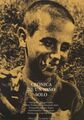
- Mar 16, 1965 (Mar del Plata Film Festival) / July 09, 1965 (Argentina Wide Release) -- Crónica de un niño solo (Favio), film -- Diego Puente -- A stark, uncompromising, and highly controversial masterpiece of Argentine cinema that frequently ranks among the greatest Latin American films ever made. In a devastatingly raw performance, non-professional child actor Diego Puente stars as Polín, a lonely eleven-year-old boy trapped in a brutal, prison-like state orphanage. After executing a desperate escape, he returns to the crushing poverty of his slum hometown, only to discover that the outside world offers no sanctuary, leading him back into a bleak cycle of petty crime and social abandonment.
- ## May 25, 1965 -- A High Wind in Jamaica (Mackendrick), film -- Martin Amis & juvenile ensemble -- Alexander Mackendrick’s brilliant, darkly cynical British maritime adventure. The narrative completely subverts standard family cinema tropes by following a group of five naive Victorian children who are accidentally marooned aboard a rugged pirate ship. Rather than being victimized, the children's absolute moral detachment, primal survival instincts, and chaotic play completely destabilize, manipulate, and emotionally dismantle the superstitious adult crew.
- Oct 7, 1965 (London World Premiere) / October 27, 1965 (US Wide Release) -- The Nanny (Holt), film -- William Dix -- A tightly wound, disturbing British psychological thriller starring Bette Davis. Ten-year-old William Dix delivers a phenomenal, deeply unsettling performance as Joey Fane, a highly disturbed, arrogant boy who returns home after spending a year in a psychiatric institution. Joey instantly locks into a lethal, paranoid battle of wits with the family's beloved nanny, adamantly refusing to eat her food and accusing her of being a sinister murderer responsible for the drowning death of his infant sister.
1966
- ## Apr 13, 1966 -- The Boy Cried Murder (Breakston), film -- Fraser MacIntosh -- A tense, multi-national suspense thriller adapted from a Cornell Woolrich story and filmed on location along the picturesque Adriatic coast. Twelve-year-old child actor Fraser MacIntosh delivers a highly compelling, anxiety-ridden performance as Jonathan, a young boy with a notorious habit of spinning elaborate lies. When he accidentally witnesses a real murder, his frantic warnings are completely dismissed by his parents as another fantasy, trapping the isolated child in a terrifying, high-stakes game of cat-and-mouse with a killer who knows he saw the crime.
- ## Jun 22, 1966 -- Maya (Berry), film -- Jay North & Sajid Khan -- A lavish, beautifully shot Metro-Goldwyn-Mayer adventure drama filmed entirely on location in the jungles of India. Prolific 1960s American child star Jay North commands the narrative as Terry Bowen, a thirteen-year-old boy who runs away into the wilderness following a bitter falling-out with his estranged father. Alongside talented local youth actor Sajid Khan, the boys form a fierce cross-cultural bond as they independently navigate predatory wildlife and ruthless poachers to deliver a sacred baby white elephant to a distant temple.
- Dec 19, 1966 -- Incompreso (Comencini), film -- Stefano Colagrande & Simone Giannozzi -- A profoundly devastating, emotionally shattering Italian drama that stands as a definitive exploration of childhood grief and adult misunderstanding. Young Stefano Colagrande gives an extraordinarily nuanced performance as Dunquan, a sensitive, deeply grieving boy who attempts to mask his immense sorrow following the sudden death of his mother. His stoic, mature behavior is completely misread by his emotionally detached father, who views him as reckless and unfeeling while doting on his fragile younger brother, culminating in an avoidable, heartbreaking tragedy.
1967
- Mar 11, 1967 (France Wide Release) -- The Two of Us / Le vieil homme et l'enfant (Berri), film -- Alain Cohen -- A deeply touching, darkly comedic, and semi-autobiographical French masterpiece set during the bleak days of the Nazi occupation. Young Alain Cohen stars as Claude, a mischievous, street-smart Jewish boy whose parents secretly send him to the countryside to live safely under an assumed identity. He is placed in the care of an elderly, fiercely anti-Semitic, and curmudgeonly grandfather (played by Michel Simon). The film excels on the heartfelt chemistry between the two, as the old man forms a fierce, protective love for the boy, completely oblivious to the fact that his beloved surrogate grandson is Jewish.
- Sep 14, 1967 -- Our Mother's House (Clayton), film -- Pamela Franklin & juvenile ensemble -- A darkly gripping, sorely underappreciated British psychological thriller directed by Jack Clayton. A highly talented ensemble of seven children (including Pamela Franklin and Mark Lester) decide to conceal their invalid mother's sudden death from the outside world, secretly burying her in the garden to avoid being separated and sent to an orphanage. The narrative delivers a spellbinding exploration of childhood autonomy as the youth organize their own isolated domestic society, which rapidly fractures into rigid religious conditioning and internal moral cruelty.
1968
- April 24, 1968 (US Wide Release) -- Yours, Mine and Ours (Shavelson), film -- Eric Shea & Mitch Vogel & Co. -- A massive box-office hit and a classic American family comedy starring Hollywood legends Lucille Ball and Henry Fonda. The film features a gigantic, highly chaotic ensemble cast of eighteen child actors, including notable juvenile stars Eric Shea and Mitch Vogel. The plot tracks the logistical nightmares, sibling rivalries, and eventual heartwarming unity that explode when a widow with eight children marries a strict Navy officer who has ten children of his own, turning a crowded household into a battleground of comedic domestic warfare.
- ## Dec 12, 1968 -- Hugo and Josephine AKA Hugo och Josefin (Grede), film -- Marie Öhman & Fredrik Becklén -- A universally acclaimed masterpiece of Swedish cinema that won the Guldbagge Award for Best Film. Six-year-old Marie Öhman delivers an extraordinarily naturalistic performance as Josephine, a lonely girl living in the isolated countryside who forms a deep, imaginative bond with a carefree boy named Hugo. Rejecting conventional, over-rehearsed studio tropes, the film is celebrated as one of the most accurate, poetic, and respectful cinematic depictions of early childhood psychology and friendship ever captured.
- ## Dec 12, 1968 -- Chitty Chitty Bang Bang (Hughes), film -- Adrian Hall & Heather Ripley -- A lavish, spectacular British musical fantasy adapted from Ian Fleming's story. Child actors Adrian Hall and Heather Ripley star as Jeremy and Jemima Potts, who accompany their eccentric inventor father on a whimsical adventure. The narrative shifts into dark, psychologically intense territory when the children enter the kingdom of Vulgaria, where youth are outlawed, forcing the siblings to survive the terrifying, predatory machinations of the iconic Child Catcher.
- September 26, 1968 (London World Premiere) / December 11, 1968 (US Wide Release) -- Oliver! (Reed), film -- Mark Lester & Jack Wild -- A spectacular, Academy Award-winning British musical adaptation of Charles Dickens' classic novel Oliver Twist. Young Mark Lester delivers an iconic, angelic performance as the innocent, mistreated workhouse orphan Oliver, while the dynamic Jack Wild turns in an Oscar-nominated, electrifying performance as the charismatic juvenile pickpocket, the Artful Dodger. Together with a massive, highly energetic ensemble of singing child actors, they bring the colorful, dangerous criminal underbelly of Victorian London to life with unforgettable showmanship.
1969
- May 27, 1969 (US Wide Release) -- Popi (Hiller), film -- Reuben Figueroa & Miguel Alejandro -- A poignant, bittersweet American comedy-drama starring Alan Arkin. Young actors Reuben Figueroa and Miguel Alejandro deliver wonderfully expressive, natural performances as Junior and Luis, two young brothers living in the poverty-stricken, dangerous streets of Spanish Harlem. Desperate to save them from a bleak future, their loving, overworked Puerto Rican father hatches a wild, high-stakes scheme to pass his sons off as wealthy Cuban political refugees, forcing the boys to pretend they don't speak English so they can be adopted by a rich family.
- July 26, 1969 (Japan Wide Release) — Boy [Shônen] (Oshima), film — Tetsuo Abe — Nagisa Oshima’s raw, visceral, and internationally celebrated cinematic masterpiece based on a shocking real-life true crime story. Six-year-old non-professional child actor Tetsuo Abe delivers a performance of shattering psychological intensity and disarming innocence as a young boy forced by his abusive, grifter parents to fake being struck by moving cars to extort insurance money from drivers. Abe completely dominates the screen, projecting a devastating, unvarnished mixture of survival pragmatism and profound childhood terror, serving as a blistering, hyper-realistic indictment of parental exploitation and institutional neglect.
- August 6, 1969 (US Wide Release) -- The Learning Tree (Parks), film -- Kyle Johnson -- A landmark cinematic production, making history as the first major studio film directed by an African American filmmaker. Young actor Kyle Johnson delivers a powerful, deeply thoughtful performance as Newt Winger, a bright Black teenager coming of age in rural 1920s Kansas. The film masterfully explores the beauty and innocence of youth—including first romance and schoolboy friendships—while forcing Newt to prematurely confront the violent, ugly realities of systemic racial prejudice, a corrupt town hierarchy, and a life-altering murder trial.
- September 3, 1969 (Venice Film Festival World Premiere) / November 1969 (UK Wide Release) -- Kes (Loach), film -- David Bradley -- A towering masterpiece of British social realism that frequently ranks among the greatest British films ever made. Non-professional child actor David Bradley delivers a raw, deeply authentic, and shattering performance as Billy Casper, a fiercely neglected, bullied fifteen-year-old boy growing up in a bleak, grim Yorkshire mining town. Deemed a hopeless failure by his school and family, Billy finds a profound spiritual escape and a sense of purpose when he rescues and meticulously trains a wild kestrel hawk, forming an unforgettable bond that offers him a brief taste of grace.
- Oct 1969 -- The Cow AKA Gaav (Mehrjui), film -- Juvenile ensemble -- A monumental masterpiece that served as the foundational cornerstone of the Iranian New Wave. While the narrative centers on an adult villager's psychological collapse over the loss of his beloved cow, the film relies heavily on a highly organic, naturalistic ensemble of local village children. Operating as the collective, omnipresent eyes and ears of the rural community, the youth's raw playground dynamics, curious gazes, and shared anxieties directly mirror the harsh economic survival mentalities and isolation of the post-war Middle East.
Media in category "Children--1960s (film subject)"
The following 98 files are in this category, out of 98 total.
 1953-1964 Leonard (TV series).jpg 345 × 500; 44 KB
 1954-1974 Maxwell (TV series).jpg 300 × 425; 28 KB
 1955-1960 Bailey et al. (TV series).jpg 261 × 380; 26 KB
 1957-1963 Connelly & Mosher (TV series).jpg 1,000 × 1,416; 102 KB
 1958-1963 Peckinpah (TV series).jpg 382 × 518; 60 KB
 1959-1963 Ackerman (TV series).jpg 693 × 1,000; 90 KB
 1960.jpg 225 × 225; 4 KB
 1960 Brignole (TV miniseries).jpg 312 × 445; 28 KB
 1960 Frankel (film).jpg 300 × 423; 29 KB
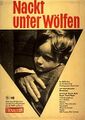 1960 Leopold film.jpg 213 × 300; 14 KB
 1960 Malle (film).jpg 263 × 377; 18 KB
- 1960 Rilla (film).jpg 253 × 394; 26 KB
- 1960 Swift (film).jpg 255 × 389; 29 KB
 1960 Tarkovshy (film).jpg 237 × 350; 26 KB
 1960 Thomas (film).jpg 258 × 385; 27 KB
 1961.jpg 225 × 225; 3 KB
 1961 Clark (film).jpg 251 × 398; 85 KB
- 1961 Clayton (film).jpg 262 × 381; 26 KB
 1961 Forbes (film).jpg 255 × 389; 25 KB
- 1961 Leacock (film).jpg 344 × 500; 45 KB
 1961 Mangini (short).jpg 126 × 179; 12 KB
 1961 Petrie (film).jpg 440 × 670; 91 KB
- 1961 Sheldon (film).jpg 300 × 437; 21 KB
 1961 Swift (film).jpg 298 × 447; 52 KB
 1961 Wyler (film).jpg 255 × 389; 27 KB
 1962.jpg 225 × 225; 4 KB
 1962 Bolognini (film).jpg 262 × 381; 23 KB
 1962 Chaffey (film).jpg 1,000 × 1,333; 112 KB
- 1962 Mulligan (film).jpg 440 × 680; 141 KB
 1962 Previn (film).jpg 261 × 383; 126 KB
- 1962 Tarkovsky (film).jpg 212 × 300; 18 KB
 1962 Tayler (TV miniseries).jpg 350 × 500; 26 KB
 1963.jpg 225 × 225; 4 KB
 1963 Bergman (film).jpg 310 × 465; 26 KB
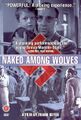 1963 Beyer film.jpg 206 × 305; 26 KB
- 1963 Brook (film).jpg 212 × 325; 22 KB
- 1963 Chaffey (film) 2.jpg 249 × 400; 102 KB
- 1963 Minnelli (film).jpg 440 × 651; 81 KB
 1963 Risi (film) 2.jpg 1,000 × 1,411; 205 KB
 1963 Sagal (film).jpg 254 × 392; 28 KB
 1964.jpg 225 × 225; 4 KB
 1964 Delannoy (film).jpg 272 × 367; 19 KB
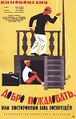 1964 Klimov (film).jpg 252 × 395; 33 KB
 1964 Leader (film).jpg 287 × 361; 51 KB
- 1964 Stevenson (film).jpg 236 × 350; 30 KB
 1964 Tewksbury (film).jpg 255 × 390; 24 KB
 1964 Webster (film).jpg 440 × 664; 117 KB
 1964 Wertmuller (TV miniseries).jpg 1,000 × 1,544; 168 KB
 1965.jpg 225 × 225; 4 KB
 1965 Favio (film).jpg 1,000 × 1,429; 139 KB
- 1965 Holt (film).jpg 213 × 325; 18 KB
 1965 Jacobs (film).jpg 265 × 376; 30 KB
 1965 Majano (TV miniseries).jpg 500 × 697; 55 KB
 1965 O'Connolly (film).jpg 500 × 750; 54 KB
 1965 Tors (film).jpg 254 × 392; 32 KB
- 1965 Wise (film).jpg 220 × 309; 196 KB
 1966.jpg 225 × 225; 4 KB
- 1966 Comencini (film).jpg 250 × 342; 55 KB
 1966 Day (film).jpg 255 × 390; 24 KB
 1966 Tarkovsky (film).jpg 363 × 500; 70 KB
 1966-1968 Weintraub (TV series).jpg 500 × 734; 103 KB
 1966-1971 Barton & Russell (TV series).jpg 354 × 500; 36 KB
 1967.jpg 225 × 225; 4 KB
- 1967 Berri (film).jpg 270 × 369; 35 KB
 1967 Bresson (film).jpg 274 × 362; 29 KB
 1967 Bridges (TV miniseries).jpg 265 × 376; 35 KB
 1967 Clayton (film).jpg 256 × 389; 19 KB
 1967 Day (film).jpg 260 × 383; 34 KB
 1967 Fleischer (film).jpg 220 × 336; 114 KB
 1967 Lucia (film).jpg 350 × 500; 68 KB
 1967 Neilson (film).jpg 256 × 389; 19 KB
 1967 Segal film.jpg 259 × 195; 12 KB
 1967 Stevenson (film).jpg 256 × 387; 25 KB
 1968.jpg 225 × 225; 4 KB
 1968 Bluemke (film).jpg 350 × 500; 123 KB
 1968 Gordon (film).jpg 255 × 389; 35 KB
 1968 Hughes (film).jpg 258 × 386; 28 KB
 1968 Jacoby (film).jpg 258 × 387; 57 KB
 1968 Mann (film).jpg 200 × 356; 60 KB
 1968 Pialat (film).jpg 354 × 500; 35 KB
- 1968 Reed (film).jpg 960 × 1,440; 395 KB
- 1968 Shavelson (film).jpg 251 × 397; 34 KB
 1968 Smith (TV miniseries).jpg 300 × 420; 30 KB
 1968 Wolf (film).jpg 447 × 646; 106 KB
 1968-1971 Kanter (TV series).jpg 1,000 × 1,333; 86 KB
 1969.jpg 225 × 225; 4 KB
 1969 Butler (film).jpg 530 × 795; 87 KB
 1969 Da Campo (film).jpg 350 × 500; 53 KB
 1969 Fabri (film).jpg 434 × 648; 299 KB
 1969 Hiller (film).jpg 193 × 299; 13 KB
- 1969 Loach (film).jpg 400 × 572; 48 KB
 1969 Mann (film).jpg 255 × 391; 24 KB
- 1969 Parks (film).jpg 256 × 389; 20 KB
 1969 Rydell (film).jpg 258 × 385; 23 KB
 1969 Young (TV film).jpg 350 × 500; 35 KB
 1969- Cooney & Morrisett (TV series).jpg 1,057 × 1,500; 228 KB
 1969-1972 Komack (TV series).jpg 319 × 445; 28 KB
 1969-1974 Schwartz (TV series).jpg 741 × 1,000; 123 KB


