Category:Children--1970s (film subject)
Jump to navigation
Jump to search
Children--1970s (film subject)
.

Murmur of the Heart (1971)

Summer of '42 (1971)

Willy Wonka & the Chocolate Factory (1971)

Death in Venice (1971)

The Adventures of Pinocchio (1972)

Sounder (1972)

The Cowboys (1972)

Paper Moon (1973)

Tom Sawyer (1973)

Alice Doesn't Live Here Anymore (1974)

A Bag of Marbles (1975)

The Bad News Bears (1976)

Storm Boy (1976)

Small Change (1976)

Madame Rosa (1977)

The Goodbye Girl (1977)

Kramer vs. Kramer (1979)


.
.
- Category:Children--1890s (film subject)
- Category:Children--1900s (film subject)
- Category:Children--1910s (film subject)
- Category:Children--1920s (film subject)
- Category:Children--1930s (film subject)
- Category:Children--1940s (film subject)
- Category:Children--1950s (film subject)
- Category:Children--1960s (film subject)
- Category:Children--1970s (film subject)
- Category:Children--1980s (film subject)
- Category:Children--1990s (film subject)
- Category:Children--2000s (film subject)
- Category:Children--2010s (film subject)
- Category:Children--2020s (film subject)
.
1970
- Feb 26, 1970 -- The Wild Child AKA L'Enfant sauvage (Truffaut), film -- Jean-Pierre Cargol -- A universally acclaimed, deeply humane French historical masterpiece directed by François Truffaut. Twelve-year-old non-professional Romani child actor Jean-Pierre Cargol delivers an astonishingly raw, physical performance as Victor, a feral boy discovered living completely isolated in a forest. The narrative completely avoids typical studio child tropes, filtering a rigorous, touching journey of language acquisition and human socialization through the child's silent, animalistic expressions.
- Dec 21, 1970 -- The Railway Children (Jeffries), film -- Jenny Agutter, Sally Thomsett & Gary Warren -- A beautifully nostalgic British family drama based on E. Nesbit's classic novel. The film follows three affluent children whose lives are upended when their father is falsely imprisoned for treason, forcing them to move to a small cottage near a bustling countryside railway where they embark on a series of heartwarming adventures.
1971
- March 01, 1971 (London World Premiere) -- Morte a Venezia (Visconti), film -- Björn Andrésen -- A haunting, visually operatic Italian masterpiece adapted from Thomas Mann's novella. Björn Andrésen delivers an iconic, silently spellbinding performance as Tadzio, a beautiful Polish teenager vacationing in Venice. His striking presence becomes a consuming, fatal obsession for an aging, disillusioned composer, with Andrésen's performance famously earning him the cultural moniker of "the world's most beautiful boy."
- April 08, 1971 (UK Theatrical Release) — Melody [S.W.A.L.K.] (Warishusain), film -— Mark Lester, Tracy Hyde & Jack Wild —- A highly influential British coming-of-age romantic drama written by Alan Parker. Following their global success in Oliver! (1968), child stars Mark Lester and Jack Wild reteam alongside Tracy Hyde. The young cast gives an exceptionally sweet, rebellious, and nuanced look at childhood innocence, tracking two ten-year-old schoolchildren who declare their intent to get married immediately, prompting their fiercely loyal group of neighborhood classmates to band together, build homemade devices, and stand up against the rigid authority figures of the adult world.
- April 28, 1971 (France Wide Release) -- Le souffle au cœur (Malle), film -- Benoît Ferreux -- A highly acclaimed and controversial French coming-of-age drama. Fourteen-year-old Benoît Ferreux gives a wonderfully natural, intelligent performance as Laurent Chevalier, a sharp, jazz-loving bourgeois boy navigating adolescence, a heart murmur, and an intensely close relationship with his free-spirited mother. The film is celebrated for its wit, elegant execution, and refreshing lack of judgment regarding complex familial taboos.
- May 16, 1971 (Cannes Film Festival World Premiere) — Walkabout (Roeg), film — Luc Roeg & David Gulpilil — A seminal masterpiece of the Australian New Wave. Director Nicolas Roeg casts his own young son, Luc Roeg (billed under the pseudonym Lucien John), alongside Jenny Agutter. Young Luc delivers a phenomenally natural and grounded performance as a young schoolboy stranded in the brutal Australian Outback. His pragmatic, unvarnished survival instinct and touching friendship with an Aboriginal youth on his ritual "walkabout" (David Gulpilil) serve as the vital thematic anchor contrasting the modern world with the elemental forces of nature.
- May 25, 1971 -- The Go-Between (Losey), film -- Dominic Guard -- A critically revered Edwardian period drama adapted for the screen by Harold Pinter. Thirteen-year-old Dominic Guard delivers a sophisticated, BAFTA-winning breakout performance as Leo Colston, a naive schoolboy visiting a grand country estate who becomes an unwitting messenger delivering secret love letters between an aristocratic young woman and a local tenant farmer.
- June 30, 1971 (US Nationwide Release) -- Willy Wonka & the Chocolate Factory (Stuart), film -- Peter Ostrum -- A timeless musical fantasy classic based on Roald Dahl's novel. In his only film role, Peter Ostrum shines as Charlie Bucket, a sweet, destitute boy who wins a golden ticket to tour an eccentric candy maker's magical factory. Ostrum’s earnest performance serves as the emotional anchor of the film, providing a grounding sense of humility and goodness against the chaotic behavior of the other children.
- ## Jul 28, 1971 -- Bless the Beasts and Children (Kramer), film -- Bill Mumy & juvenile ensemble -- Stanley Kramer's gripping, emotionally raw American social drama. The narrative completely subverts family cinema tropes by following an ensemble of six emotionally disturbed, neglected boys sent to a strict summer camp. Stung by adult cruelty, the tightly knit group of children orchestrate a highly coordinated, nocturnal escape to rescue a herd of captive bison, making the children's independent moral determination the primary driving force of a tense narrative.
- Oct 07, 1971 (premiere) / Nov 5, 1971 (UK Wide Release) / December 13, 1971 (US Release) — Bedknobs and Broomsticks (Stevenson), film — Ian Weighill, Cindy O'Callaghan & Roy Snart — A beloved Disney live-action/animation hybrid fantasy classic. The emotional, adventurous weight of the film relies entirely on the delightful performances of its child trio—Ian Weighill (Charlie), Cindy O'Callaghan (Carrie), and Roy Snart (Paul)—as three siblings evacuated from the London Blitz. The children effortlessly drive the film's whimsical narrative, anchoring the musical tracks and special visual effects alongside Angela Lansbury as they travel on a magical flying bed to defend their country.
1972
- January 13, 1972 (US Wide Release) -- The Cowboys (Rydell), film -- Alfred Barker Jr., Robert Carradine, Clay O'Brien & Co. -- A gripping, rough-and-tumble Western that features John Wayne in one of his final iconic roles. When his regular crew deserts him for a gold rush, an aging rancher is forced to hire a group of local schoolboys to drive a massive cattle herd across 400 treacherous miles. The large ensemble of young child actors—including Clay O'Brien and a debuting Robert Carradine—bring immense authenticity to a story about frontier survival and a violent, forced transition into manhood.
- April 08, 1972 -- Le avventure di Pinocchio (Comencini), TV miniseries -- Andrea Balestri -- A definitive, critically adored Italian television masterpiece. Young Andrea Balestri delivers a brilliantly wild, unpolished, and completely spontaneous performance as the wooden puppet turned real boy. Stripped of typical Disney-fied tropes, Balestri's natural Tuscan grit perfectly embodies the rebellious, street-smart, yet deeply affectionate essence of Collodi’s original character.
- ## May 07, 1972 (Cannes Film Festival World Premiere) — Jeremiah Johnson (Pollack), film — Josh Albee — A seminal, meditative wilderness survival Western. While Robert Redford commands the titular role, the emotional heart of the film's middle act anchors itself on young Josh Albee as Caleb, a silent child traumatized into muteness by a frontier massacre. Albee delivers a deeply moving, completely non-verbal performance, beautifully communicating the slow rebuilding of childhood trust, filial love, and makeshift family bonds in the isolated Rocky Mountains.
- Jul 05, 1972 -- Napoleon and Samantha (McEveety), film -- Johnny Whitaker & Jodie Foster -- A memorable Walt Disney Productions adventure drama filmed on location in Oregon. Eleven-year-old Johnny Whitaker stars as Napoleon alongside a nine-year-old Jodie Foster in her historic feature film debut. The narrative follows the two children as they flee into the treacherous mountains with an aging circus lion to avoid being separated by stern authorities and sent to an orphanage, driving a story focused entirely on juvenile autonomy, resilience, and survival.
- Sep 24, 1972 (US Nationwide Release) -- Sounder (Ritt), film -- Kevin Hooks -- A powerful, deeply affecting drama centered on a family of Black sharecroppers in the 1930s Depression-era South. Young Kevin Hooks turns in a profoundly moving, soulful performance as David Lee Morgan, a boy forced to grow up overnight when his father is unjustly imprisoned for stealing food. David Lee embarks on a long journey to find the labor camp where his father is held, transforming the story into an unforgettable testament to resilience and dignity.
- Dec 12, 1972 (US Nationwide Release) — The Poseidon Adventure (Neame), film — Eric Shea — The gold standard of 1970s disaster cinema. Amidst an immense ensemble cast of adult stars, twelve-year-old Eric Shea delivers an exceptionally energetic, charismatic, and scene-stealing performance as Robin Shelby. Robin's boundless enthusiasm for the inner workings of the ocean liner transforms into an asset as the survivors navigate a upside-down maze of fire and flooding, with Shea providing a grounded layer of childlike bravery and vulnerability.
1973
- March 15, 1973 (US Wide Release) -- Tom Sawyer (Taylor), film -- Johnny Whitaker & Jodie Foster -- A bright, energetic musical adaptation of Mark Twain's classic American novel. Prolific child star Johnny Whitaker delivers a highly charismatic, mischievous performance as Tom Sawyer, while a young, exceptionally confident Jodie Foster co-stars as Becky Thatcher. The film captures the pure spirit of childhood adventure along the Mississippi River, highlighted by the vibrant screen chemistry between its young leads.
- April 07, 1973 (US Wide Release) -- Paper Moon (Bogdanovich), film -- Tatum O'Neal -- A masterful, sharp-witted road comedy set during the Great Depression. Nine-year-old Tatum O'Neal delivers an absolute tour-de-force performance as Addie Loggins, a cigarette-smoking orphan who pairs up with a slick con man (played by her real-life father, Ryan O'Neal). Her brilliantly cynical, fiercely sharp performance won her the Academy Award for Best Supporting Actress, making her the youngest competitive Oscar winner in history.
- ## May 02, 1973 -- Emitai AKA God of Thunder (Sembène), film -- Juvenile ensemble -- A towering anti-colonial masterpiece of African cinema by Senegalese director Ousmane Sembène. Set during late WWII, the narrative relies extensively on a naturalistic ensemble of Diola village children. Operating as the silent, hyper-vigilant messengers and witnesses to their mothers' fierce resistance against occupying French military forces, the youth's shared anxieties and quiet dignity serve as a powerful vehicle of raw historical realism.
- Sep 18, 1973 (San Sebastián Premiere) / October 8, 1973 (Spain Wide Release) -- The Spirit of the Beehive (Erice), film -- Ana Torrent -- A lyrical and haunting masterpiece of Spanish cinema that brilliantly uses childhood fantasy as an allegory for political trauma. Six-year-old Ana Torrent delivers an incredibly soulful, mesmerizing performance as a quiet village girl who becomes entirely obsessed with the monster after a community screening of the 1931 American film Frankenstein. Guided by her wide-eyed innocence, she drifts into a personal fantasy world across a bleak countryside to find the creature, creating an unforgettable portrait of childhood isolation in the shadow of post-Civil War Francoist Spain.
- ## Nov 08, 1973 -- The Belstone Fox AKA Free Spirit (Hill), film -- Eric Porter & juvenile ensemble -- A poignant, visually striking British outdoor drama that explores the generation gap and changing rural values. The film relies significantly on a crucial juvenile framework, utilizing a naturalistic group of local country children whose deep empathy for a wild, uncatchable fox directly challenges the rigid, destructive hunting traditions of the local adults.
- December 17, 1973 (Los Angeles World Premiere) / December 18, 1973 (US Wide Release) -- Cinderella Liberty (Rydell), film -- Kirk Calloway -- A gritty, poignant romantic drama focusing on a lonely Navy sailor who falls in love with a down-on-her-luck prostitute. Child actor Kirk Calloway provides a fantastic, incredibly natural performance as Doug, her cynical, street-smart 10-year-old mixed-race son. Calloway shines as a watchful kid who initially resists, but slowly embraces, the sailor's warm presence as a surrogate father figure.
- Dec 18, 1973 -- Amarcord (Fellini), film -- Bruno Zanin -- An episodic, deeply nostalgic, and surreal semi-autobiographical comedy masterpiece set in the 1930s coastal town of Rimini. Bruno Zanin anchors a colorful ensemble cast as Titta, an unruly and hormone-driven teenage boy navigating the eccentricities of his family, high school, and town life under the shadow of Italian Fascism.
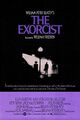
- Dec 26, 1973 (US Wide Release) -- The Exorcist (Friedkin), film -- Linda Blair -- A monumental cultural phenomenon and one of the greatest psychological horror films ever made. Twelve-year-old Linda Blair delivers an astonishingly brave, intense, and physically demanding performance as Regan MacNeil, an innocent girl who falls victim to a foul-mouthed demonic possession. Blair brilliantly handles the extreme duality between a sweet, vulnerable child and a terrifying, malevolent entity, earning an Academy Award nomination.
1974
- March 3, 1974 (West Germany TV World Premiere) / May 17, 1974 (West Germany Theatrical Release) -- Alice in den Städten (Wenders), film -- Yella Rottländer -- A sublime West German road movie that stands as a masterpiece of European cinema. Nine-year-old Yella Rottländer gives a beautifully restrained, fiercely independent, and natural performance as Alice, a young girl accidentally left in the temporary custody of a disillusioned German journalist. As the mismatched pair travel across European cities searching for Alice's grandmother, Rottländer avoids all child-actor clichés, crafting an unforgettable, deeply human bond.
- May 22, 1974 (US Wide Release) — Benji (Camp), film — Higgins & The Child Cast — A massive independent commercial triumph and a definitive staple of 1970s family cinema. While the titular, incredibly expressive stray dog Higgins carries the heroic rescue plot, the entire emotional stakes of the film rest on its young child actors. The children project an authentic, heartwarming innocence and vulnerability that effortlessly drove the independent movie into a global phenomenon.
- ## Oct 03, 1974 — The Abdication (Anthony), film — Cult Youth Ensemble — A highly atmospheric, visually opulent British historical costume drama tracking the psychological crises of Queen Christina of Sweden. While the adult narrative centers on her intense, complex theological interrogations by a cardinal in Rome, the structural flashback sequences rely completely on its meticulously cast ensemble of adolescent and child actors. The young performers give exceptionally mature, haunting performances, capturing the strict, joyless, and traumatic isolation of royal childhood.
- ## October 23, 1974 (France Wide Release) or Dec 18— Mes Petites Amoureuses (Eustache), film — Martin Loeb & Youth Ensemble — Jean Eustache's raw, visceral, and masterfully directed French coming-of-age masterpiece. Fourteen-year-old Martin Loeb delivers a performance of astonishing, quiet intensity as Daniel, a bright boy forced to leave his idyllic rural school life to work as a low-wage mechanic's apprentice in a sun-drenched southern town. Loeb commands the screen alongside a non-professional youth cast, beautifully capturing the slow, painful erosion of childhood innocence, early sexual curiosity, and the heavy weight of social alienation with unmatched psychological honesty.
- ## Nov 01, 1974 -- The Enigma of Kaspar Hauser AKA Jeder für sich und Gott gegen alle (Herzog), film -- Juvenile ensemble -- Werner Herzog's globally acclaimed West German historical masterwork. While tracing a feral adult's traumatic forced entry into human civilization, the film relies heavily on a crucial juvenile framework. Utilizing local town children as the only community figures capable of pure, unconditioned empathy toward Kaspar, the children's innocent curiosity and unforced interactions deliver a blistering, cynical critique of rigid adult societal hypocrisy.
- December 09, 1974 (Los Angeles World Premiere) -- Alice Doesn't Live Here Anymore (Scotsese), film -- Alfred Lutter III & Jodie Foster -- A groundbreaking Martin Scorsese drama about a widowed mother traversing the Southwest to rebuild her life. Alfred Lutter III is phenomenal as Tommy, her hyperactive, smart-aleck, and endlessly talking son who shares a deeply realistic, witty rapport with his mother. The film is further enriched by Jodie Foster, who delivers another stellar performance as Audrey, a street-smart, wine-drinking tomboy who befriends Tommy.
1975
- ## Mar 07, 1975 -- Mirror AKA Zerkalo (Tarkovsky), film -- Ignat Daniltsev & Filipp Yankovsky -- Andrei Tarkovsky's non-linear, deeply poetic, and autobiographical Soviet masterwork Mirror. Adolescent actor Ignat Daniltsev delivers a dual performance as the young protagonist Alexei and his own son Ignat, navigating fragmented stream-of-consciousness dreamscapes and wartime memories. Rejecting conventional studio child-actor tropes, the film uses the raw, observant gazes of its child cast to explore familial guilt, maternal attachment, and the collective trauma of mid-century Russian history.
- March 21, 1975 (US Wide Release) — Escape to Witch Mountain (Hough), film — Kim Richards & Ike Eisenmann — A major commercial triumph and a definitive staple of 1970s American family sci-fi cinema. Nine-year-old Kim Richards (Tia) and eleven-year-old Ike Eisenmann (Tony) deliver exceptionally grounded, mysterious performances as orphaned siblings possessing extraordinary telepathic and telekinetic abilities. Their naturalistic onscreen chemistry and eerie composure effortlessly anchor a suspenseful, road-trip rescue plot that marked a darker, more sophisticated era for Walt Disney Productions.
- $$ May 21, 1975 (US Wide Release) — Cornbread, Earl and Me (Manduke), film — Laurence Fishburne — A raw, visceral, and incredibly powerful pillar of 1970s urban dramatic cinema. In his absolute feature film debut at just twelve years old, a young Laurence Fishburne (credited as Laurence Fishburne III) delivers a performance of stunning, heartbreaking intensity as Wilford Robinson. Fishburne commands the screen as a young boy forced to navigate profound grief, community outrage, and a corrupt legal system after witnessing his idolized older neighborhood basketball star friend get accidentally shot by police—serving as a masterpiece of unvarnished childhood perspective.
- Sep 26, 1975 (Canada Wide Release) / September 28, 1975 (US Wide Release) — Lies My Father Told Me (Kadar), film — Jeffrey Lynas — A profoundly moving, intimate, and multi-award-winning Canadian dramatic masterpiece that claimed the Golden Globe for Best Foreign Film. Six-year-old Jeffrey Lynas anchors the delicate narrative with an astonishingly deep, soulful, and innocent performance as David, a young boy growing up in the working-class immigrant quarters of 1920s Montreal. Lynas commands the screen, beautifully channeling a fierce, loving attachment to his orthodox grandfather and an old horse against the harsh materialist demands of his father, capturing the bittersweet fragility of childhood attachments
- Dec 10, 1975 (France Wide Release) -- Un sac de billes (Doillon), film -- Richard Constantini & Paul-Eric Shulmann -- A deeply moving, authentic French drama set during World War II, based on Joseph Joffo's autobiographical novel. Non-professional child actors Richard Constantini and Paul-Eric Shulmann give extraordinary, heartfelt performances as Joseph and Maurice, two young Jewish brothers fleeing Nazi-occupied Paris. Guided by sharp wits and resourcefulness, the boys must outsmart authorities across the countryside, painting a vivid picture of lost innocence and sibling loyalty.
1976
- February 8, 1976 (US Wide Release) -- Taxi Driver (Scorsese), film -- Jodie Foster -- Martin Scorsese's blistering, New Hollywood psychological masterpiece. At just twelve years old, Jodie Foster delivers a tour-de-force, career-defining performance as Iris Steensma, an enslaved runaway child street-worker in a decaying New York City. Foster commands the screen with a shocking mixture of street-smart bravado and heartbreaking pre-adolescent vulnerability, serving as the entire moral pivot and catalyst for Travis Bickle's violent descent into vigilantism—earning her a historic Academy Award nomination.
- ## Mar 09, 1976 -- The Message AKA Al-Risalah (Akkad), film -- Juvenile ensemble -- Moustapha Akkad's sweeping, multi-national historical epic charting early religious history. While the mature cast drives the massive cultural and geopolitical scope, the narrative framing relies significantly on an organic ensemble of local children. Functioning as the hyper-vigilant, wide-eyed eyes and ears of their vulnerable desert clans, the youth's shared anxieties, early exile, and unforced playground interactions serve as a powerful vehicle of raw historical realism.
- March 17, 1976 (France Wide Release) / October 3, 1976 (US Theatrical Release) -- Small Change (Truffaut), film -- Geory Desmouceaux, Philippe Goldmann & Co. -- A joyful, profoundly empathetic French comedy-drama directed by François Truffaut. Featuring a massive, highly organic ensemble of children and toddlers, the film weaves together a series of vignettes capturing the daily struggles, secret lives, and immense resilience of kids in a small French town. From a toddler miraculously surviving a window fall to a neglected boy finding solace in his peers, the film is a beautiful love letter to the wonder of childhood.
- April 4, 1976 (Spain Wide Release) -- Cría Cuervos (Saura), film -- Ana Torrent -- Carlos Saura’s haunting, allegorical, and internationally celebrated masterpiece of Spanish cinema. Following her triumph in The Spirit of the Beehive, a young Ana Torrent gives an extraordinarily intense, somber, and unforgettable dramatic performance as nine-year-old Ana. Torrent's piercing, melancholic eyes anchor the non-linear narrative as she grieves the sudden death of her parents, beautifully interweaving childhood fantasy with the dark, oppressive psychological trauma of late-Francoist Spain.
- April 07, 1976 (US Wide Release) -- The Bad News Bears (Ritchie), film -- Tatum O'Neal, Jackie Earle Haley & Co. -- A wildly popular, fiercely cynical comedy about a team of uncoordinated Little League misfits. Tatum O'Neal delivers a stellar performance as Amanda Whurlitzer, a razor-sharp, fiercely talented 12-year-old pitcher recruited to save the team, starring alongside Jackie Earle Haley as the local delinquent. Supported by a raucous ensemble of foul-mouthed kids, the film is a definitive 70s classic that subverts the wholesome sports genre with sharp suburban grit.
- May 21, 1976 -- 1900 (Bertolucci), film -- Roberto Maccanti & Paolo Pavesi -- An epic, five-hour multi-generational historical saga filmed in Bernardo Bertolucci's ancestral region of Emilia. The monumental story begins at the turn of the century, utilizing young actors Roberto Maccanti and Paolo Pavesi to beautifully portray the foundational childhood friendship of two boys born on the same day—one a wealthy landowner's grandson, the other a peasant—before class warfare divides them.
- May 27, 1976 (Cannes Film Festival Premiere) / July 23, 1976 (London General Release) -- Bugsy Malone (Parker), film -- Scott Baio & Jodie Foster -- A unique, tongue-in-cheek musical gangster spoof that serves as a spectacular showcase for an ensemble cast composed entirely of child and teenage actors playing adult roles. A charismatic Scott Baio stars as the streetwise boxing promoter Bugsy Malone, alongside an exceptionally mature Jodie Foster as the sultry saloon singer Tallulah. Set in a stylized 1920s Prohibition-era environment, the film subverts classic mob tropes by replacing real bullets with cream-shooting "splurge guns," resulting in a whimsical and visually fascinating cult classic.
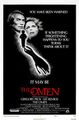
- June 6, 1976 (UK General Release) / June 25, 1976 (US Wide Release) -- The Omen (Donner), film -- Harvey Stephens -- A dread-soaked supernatural horror classic that stands as a definitive cornerstone of the "devil-child" cinematic subgenre. Young Harvey Stephens delivers an iconic, bone-chilling performance as Damien Thorn, an adopted boy who is secretly the literal Antichrist prophesied to bring about the end of days. Stephens masterfully shifts between a seemingly innocent, angelic child and a cold, silent source of malicious evil, anchoring an operatic thriller filled with calculated psychological tension and gruesome supernatural accidents.
- November 18, 1976 (Adelaide World Premiere) / November 19, 1976 (South Australia Release) -- Storm Boy (Safran), film -- Greg Rowe -- A cornerstone of the Australian Cinematic New Wave based on Colin Thiele's book. Untrained eleven-year-old actor Greg Rowe gives an incredibly pure, sensitive performance as Mike, a lonely boy living in a coastal wilderness with his reclusive father. Rowe's natural screen presence beautifully carries the narrative as he rescues three orphaned pelicans, forming an unforgettable bond that teaches him about love, freedom, and inevitable loss.
1977
- May 17, 1977 (Cannes Film Festival World Premiere) / September 2, 1977 (Italy Wide Release) — Padre Padrone [My Father, My Master] (Taviani/Taviani), film — Fabrizio Forte — A monumental masterpiece of Italian cinema that made history by winning both the Palme d'Or and the FIPRESCI Prize at the Cannes Film Festival. In the film's powerful first act, child actor Fabrizio Forte delivers a raw, visceral performance of staggering psychological weight as the young Gavino Ledda. Forte masterfully captures the isolation, fear, and forced maturity of a young boy brutally pulled out of primary school on his very first day by an abusive, domineering father to spend his childhood shepherding sheep in the desolate Sardinian mountains.
- November 02, 1977 (France Wide Release) -- Madame Rosa (Mizrahi), film -- Samy Ben-Youb -- An emotionally powerful French drama that won the Academy Award for Best Foreign Language Film. Young Samy Ben-Youb delivers a stunning, deeply mature performance as Momo, an Algerian orphan boy raised in Belleville by an aging Jewish Holocaust survivor and former sex worker (played by Simone Signoret). Ben-Youb’s performance anchors a touching, beautiful story about unconditional love and solidarity crossing generational and religious divides.
- November 3, 1977 (US Wide Release) — Pete's Dragon (Chaffey), film — Sean Marshall — A beloved, whimsical, and highly innovative live-action/animation hybrid musical fantasy produced by Walt Disney Productions. Ten-year-old Sean Marshall delivers an exceptionally energetic, charismatic, and emotionally grounded performance as Pete, a young orphan boy fleeing a lifetime of harsh domestic exploitation at the hands of an abusive foster family. Marshall anchors the entire film's pacing and elaborate musical numbers, beautifully channeling a fierce childhood resilience and deep vulnerability as he forms a tight-knit family bond with an invisible magical dragon.
- November 15, 1977 (US Limited Premiere) / November 16, 1977 (US Wide Release) — Close Encounters of the Third Kind (Spielberg), film — Cary Guffey — Steven Spielberg’s legendary, awe-inspiring science-fiction masterpiece. At just three years old, Cary Guffey delivers one of the most astonishingly natural, purely expressive, and iconic toddler performances in Hollywood history as Barry Guiler. Guffey completely commands the screen during the film's most intense visual sequences, projecting a disarming sense of childlike wonder and fearless curiosity (such as his legendary exclamation of "Ice cream!") as a malevolent supernatural force manipulates his family home before abducting him into the night sky.
- November 27, 1977 (New York City Premiere) / November 30, 1977 (US Wide Release) -- The Goodbye Girl (Ross), film -- Quinn Cummings -- A sharp, witty Neil Simon romantic comedy that became a major box-office hit. Ten-year-old Quinn Cummings turns in an Oscar-nominated, scene-stealing performance as Lucy McFadden, a precocious, fiercely protective girl forced to share an apartment with her mother and an eccentric actor (Richard Dreyfuss). Cummings delivers Simon's rapid-fire dialogue with flawless comedic timing while keeping her character deeply vulnerable and endearing.
1978
- April 5, 1978 (US Wide Release) -- Pretty Baby (Malle), film -- Brooke Shields -- A highly intense, atmospheric, and deeply controversial historical drama that marked the American directorial debut of French filmmaker Louis Malle. Twelve-year-old Brooke Shields delivers a performance of astonishing, shocking maturity and raw emotional depth as Violet, a pre-teen girl growing up in a brothel within New Orleans' red-light district of Storyville in 1917. Shields completely dominates the screen, bypassing all child-actor clichés to portray the sudden, tragic erosion of childhood innocence as her character navigates a complex, protective maternal bond and an unconventional relationship with an eccentric photographer.
- May 17, 1978 (Cannes Film Festival World Premiere) / September 21, 1978 (Italy Wide Release) -- The Tree of Wooden Clogs [L'albero degli zoccoli] (Olmi), film -- Omar Brignoli & The Child Ensemble -- A monumental, deeply humanistic masterpiece of Italian cinema that won the Palme d'Or at the Cannes Film Festival and was selected among the 100 Italian films to be saved. Casting actual peasant farmers and locals instead of professional actors, the film portrays the hard daily life of four poor families in late 19th-century Lombardy. The emotional core of the film anchors itself on young Omar Brignoli as Minek, a brilliant six-year-old boy whose father secretly cuts down a landlord's tree to hand-carve him a pair of wooden shoes so he can walk the long distance to school. The children project an unvarnished, quiet dignity and a collective resilience that serves as a beautiful, heartbreaking testament to rural childhood.
- September 13, 1978 (US Limited Premiere) / October 6, 1978 (US Wide Release) -- Days of Heaven (Malick), film -- Linda Manz -- Terrence Malick's legendary, visually magnificent, and critically acclaimed American cinematic masterpiece. A fifteen-year-old Linda Manz gives a tour-de-force, career-defining performance as Linda, serving as both a lead character and the film's cynical, street-smart narrator. Manz's completely improvised, gravelly voiceover and soulful onscreen presence anchor the film's dreamlike atmosphere, perfectly capturing a child's unpolished perspective on a volatile romantic deception, a tragic locust plague, and the loss of youth safety amidst migrant workers in the 1916 Texas Panhandle.
1979
- March 20, 1979 (US Wide Release) — The Champ (Zeffirelli), film — Ricky Schroder — Franco Zeffirelli's devastatingly sentimental, heart-wrenching Hollywood boxing drama. In his absolute cinematic debut at just eight years old, Ricky Schroder gives an extraordinary, powerhouse performance as T.J. Flynn, a fiercely loyal boy completely devoted to his down-on-his-luck ex-champion father (Jon Voight). Schroder's staggering emotional transparency, pure innocence, and raw, tear-soaked vulnerability literally stole the show globally—earning him a historic Golden Globe Award for New Star of the Year and positioning the film as a legendary benchmark for childlike dramatic pathos.
- May 03, 1979 (West Germany Wide Release) -- The Tin Drum (Schlöndorff), film -- David Bennent -- A visionary, deeply unsettling, and Academy Award-winning adaptation of Günter Grass's celebrated magical realism novel. Twelve-year-old David Bennent delivers a spectacular, tour-de-force performance as Oskar Matzerath, an intensely intelligent boy who feels such profound disgust for the hypocrisy of the adult world that he willfully arrests his own physical development on his third birthday. Remaining inside the body of a small child, Bennent's piercing gaze, high-pitched glass-shattering screams, and relentless drum-beating serve as a ferocious, surreal rebellion against the horrors of the rising Nazi regime in World War II Danzig.
- May 18, 1979 (US Wide Release) — Over the Edge (Kaplan), film — Matt Dillon & Michael Eric Kramer — A raw, volcanic, and fiercely honest New Hollywood coming-of-age chronicle tracking systemic youth delinquency. Boasting a highly organic ensemble cast of young non-professionals—historically marking the raw debut of a teenage Matt Dillon—the film anchors itself completely on the painful undercurrents of suburban alienation. The young performers project a devastatingly authentic, unvarnished pragmatism and pent-up rage that beautifully builds toward an unforgettable, anarchic high school lockdown riot, capturing a definitive snapshot of pre-adolescent rebellion against clueless adult authority figures.
- October 17, 1979 (US Wide Release) — The Black Stallion (Ballard), film — Kelly Reno — A visually magnificent, poetic, and critically acclaimed wilderness-adventure masterpiece executive produced by Francis Ford Coppola. An untrained eleven-year-old Kelly Reno delivers a performance of stunning, quiet naturalness and immense physical grit as Alec Ramsey, a young boy who survives a horrific shipwreck and becomes stranded on a deserted island alongside a wild Arabian horse. Reno carries the entirely non-verbal, dreamlike middle act of the film with a beautiful, unpolished sincerity, charting the rebuilding of trust, pure child-animal communication, and mutual survival instinct with disarming honesty.
- Dec 19, 1979 (US Wide Release) -- Kramer vs. Kramer (Benton), film -- Justin Henry -- A devastatingly realistic, multiple Academy Award-winning domestic drama detailing a brutal custody battle. At just eight years old, Justin Henry delivers an incredibly raw, heartbreaking performance as Billy Kramer, a boy caught in the emotional crossfire of his parents' divorce. Henry’s heartbreakingly natural reactions to his broken home earned him an Oscar nomination, making him the youngest person ever nominated for a competitive Academy Award.
Media in category "Children--1970s (film subject)"
The following 92 files are in this category, out of 92 total.
 1954-1974 Maxwell (TV series).jpg 300 × 425; 28 KB
 1966-1971 Barton & Russell (TV series).jpg 354 × 500; 36 KB
 1969- Cooney & Morrisett (TV series).jpg 1,057 × 1,500; 228 KB
 1969-1974 Schwartz (TV series).jpg 741 × 1,000; 123 KB
 1970.jpg 225 × 225; 4 KB
 1970 Douglas (film).jpg 255 × 391; 36 KB
 1970 Jeffries (film).jpg 333 × 500; 51 KB
 1970 Truffaut 2 (film).jpg 258 × 387; 21 KB
 1971.jpg 226 × 226; 4 KB
 1971 Davies (film).jpg 350 × 500; 34 KB
 1971 Jeffries (film).jpg 1,000 × 1,469; 99 KB
 1971 Jutra (film).jpg 254 × 390; 24 KB
 1971 Losey (film).jpg 315 × 500; 33 KB
- 1971 Malle (film).jpg 827 × 1,188; 158 KB
- 1971 Mulligan (film).jpg 259 × 384; 35 KB
 1971 Roeg (film).jpg 986 × 1,500; 249 KB
 1971 Stevenson (film).jpg 256 × 389; 31 KB
- 1971 Stuart (film).jpg 256 × 390; 73 KB
 1971 Swackhamer (film).jpg 266 × 375; 24 KB
 1971 Van Peebles (film).jpg 440 × 657; 63 KB
- 1971 Visconti (film).jpg 344 × 498; 43 KB
 1972.jpg 225 × 225; 4 KB
- 1972 Comencini (TV miniseries).jpg 266 × 375; 29 KB
 1972 Hough (film).jpg 960 × 1,440; 320 KB
 1972 Lizzani (film).jpg 266 × 375; 33 KB
 1972 Lucidi (film).jpg 681 × 1,000; 76 KB
 1972 McEveety (film).jpg 246 × 378; 21 KB
- 1972 Ritt (film).jpg 181 × 273; 17 KB
- 1972 Rydell (film).jpg 257 × 388; 23 KB
 1972-1981 Hamner (TV series).jpg 725 × 1,000; 131 KB
- 1973 Bogdanovich (film).jpg 250 × 384; 22 KB
 1973 De Seta (TV miniseries).jpg 432 × 600; 46 KB
 1973 Del Balzo (film).jpg 350 × 500; 59 KB
 1973 Erice (film).jpg 1,600 × 1,988; 533 KB
 1973 Friedkin (film).jpg 252 × 378; 31 KB
 1973 Ricci (film).jpg 350 × 500; 30 KB
 1973 Rydell (film).jpg 260 × 382; 21 KB
 1973 Scavolini (film).jpg 300 × 400; 24 KB
- 1973 Taylor (film).jpg 273 × 365; 22 KB
 1974 Camp (film).jpg 256 × 389; 24 KB
 1974 Craft (TV miniseries).jpg 252 × 356; 84 KB
 1974 Ford film.jpg 500 × 706; 136 KB
 1974 Hardy (TV film).jpg 960 × 1,440; 568 KB
 1974 Mangini (film).jpg 350 × 500; 75 KB
 1974 Martino (film).jpg 350 × 500; 47 KB
 1974 Ritt (film).jpg 254 × 392; 20 KB
 1974 Saks (film).jpg 263 × 379; 23 KB
- 1974 Scorsese (film).jpg 274 × 370; 37 KB
 1974 Stone (TV miniseries).jpg 710 × 1,000; 89 KB
 1974 Thompson (film).jpg 256 × 388; 21 KB
 1974 Wenders (film).jpg 265 × 376; 21 KB
 1974 Whyndham-Davies (TV series).jpg 179 × 282; 13 KB
 1974-1979 Monte (TV series).jpg 500 × 750; 69 KB
 1974-1983 Hanalis (TV series).jpg 680 × 1,000; 453 KB
 1975.jpg 225 × 225; 4 KB
 1975 Brooking (TV miniseries).jpg 353 × 500; 58 KB
 1975 Del Balzo (film).jpg 350 × 500; 144 KB
- 1975 Doillon (film).jpg 1,000 × 1,332; 102 KB
 1975 Hough (film).jpg 254 × 386; 155 KB
 1975 Parker (TV film).jpg 247 × 350; 18 KB
 1975 Tarkovsky (film).jpg 236 × 332; 24 KB
 1976 Aliprandi (film).jpg 350 × 500; 20 KB
 1976 Bertolucci (film).jpg 255 × 390; 28 KB
 1976 Blain (film).jpg 266 × 374; 20 KB
 1976 Donner (film).jpg 256 × 389; 18 KB
 1976 Letts (TV series).jpg 1,080 × 1,410; 143 KB
 1976 Relja (film).jpg 191 × 264; 11 KB
- 1976 Ritchie (film).jpg 257 × 386; 30 KB
- 1976 Safran (film).jpg 500 × 697; 53 KB
 1976 Saura (film).jpg 261 × 382; 30 KB
 1976 Scavarda film.jpg 1,000 × 1,870; 312 KB
 1976 Scorsese (film).jpg 257 × 388; 71 KB
- 1976 Truffaut (film).jpg 328 × 445; 29 KB
 1977 Chaffey (film).jpg 256 × 389; 27 KB
 1977 Dornhelm & Mack (doc).jpg 266 × 373; 17 KB
 1977 Fleischer (film).jpg 255 × 445; 30 KB
 1977 Hart (TV film).jpg 340 × 493; 70 KB
- 1977 Mizrahi (film).jpg 276 × 361; 20 KB
 1977 Nelson (film).jpg 350 × 500; 106 KB
- 1977 Ross (film).jpg 258 × 384; 25 KB
 1977 Taviani (film).jpg 250 × 370; 98 KB
 1977 Tokar (film).png 257 × 387; 193 KB
 1978 Cunningham (film).jpg 780 × 1,103; 106 KB
 1978 Hess (TV series).jpg 500 × 750; 63 KB
 1978 Hough (film).jpg 255 × 390; 29 KB
 1978 Malle (film).jpg 253 × 394; 34 KB
 1978 Nielsen (film).jpg 200 × 280; 14 KB
 1978 Schultz (film).png 267 × 373; 190 KB
 1978-1986 Harris & Kukoff (TV series).jpg 370 × 500; 56 KB
- 1979 Benton (film).jpg 228 × 348; 16 KB
 1979 Lilienthal film.jpg 200 × 353; 13 KB
 1979 Schlondorff (film).jpg 265 × 376; 40 KB


