Category:Children--1930s (film subject)
Children--1930s (film subject)
.

Tom Sawyer (1930)

Emil und die Detektive (1931)

The Champ (1931)

Poil de Carotte (1932)

I Was Born, But..." (1932)

Rufus Jones for President (1933)

Zero for Conduct (1933)

Bright Eyes (1934)

Treasure Island (1934)

The Little Colonel (1935)

The Littlest Rebel (1935)

David Copperfield (1935)

Emil and the Detective (1935)

Little Lord Fauntleroy (1936)

The Elephant Boy (1937)

Captain Courageous (1937)

The Prince and the Pauper (1937)

The Adventures of Tom Sawyer (1938)

Boys Town (1938)

The Wizard of Oz (1939)

Way Down South (1939)

Tarzan Finds a Son! (1939)

Goodbye, Mr. Chips (1939)


.
.
- Category:Children--1890s (film subject)
- Category:Children--1900s (film subject)
- Category:Children--1910s (film subject)
- Category:Children--1920s (film subject)
- Category:Children--1930s (film subject)
- Category:Children--1940s (film subject)
- Category:Children--1950s (film subject)
- Category:Children--1960s (film subject)
- Category:Children--1970s (film subject)
- Category:Children--1980s (film subject)
- Category:Children--1990s (film subject)
- Category:Children--2000s (film subject)
- Category:Children--2010s (film subject)
- Category:Children--2020s (film subject)
.
Overview
Between 1930 and 1939, the presence of children in cinema reached its absolute commercial and cultural peak, transforming young actors into Hollywood's number-one box-office draws and primary instruments of escapist comfort during the Great Depression. As the decade transitioned from the gritty realism of the Pre-Code era into the rigid moral boundaries of the Hays Code, child star representations split into two distinct cinematic archetypes: the idealized, musical savior and the cynical, streetwise delinquent.
The dominant feature of the 1930s was the unprecedented box-office monopoly of the singular child superstar. Propelled by six-year-old Shirley Temple, children were positioned as literal social reformers who could melt hardened bookies in Little Miss Marker (1934), bridge racial barriers via historic tap-dance duets with Bill Robinson in The Little Colonel (1935), and appeal directly to Abraham Lincoln or Queen Victoria to rescue their families. Temple’s success birthed a highly lucrative industry of child-driven escapist musicals. Concurrently, British prodigy Freddie Bartholomew established the definitive archetype of aristocratic, silver-spoon innocence, anchoring prestigious, high-budget studio adaptations of Victorian literature like David Copperfield (1935), Little Lord Fauntleroy (1936), and Captains Courageous (1937) alongside a versatile, hyper-energetic teenage Mickey Rooney.
Crucially, the decade maintained a powerful counter-narrative of gritty urban realism and childhood disillusionment. Before the Hays Code tightly regulated studio morality, Pre-Code masterpieces like William Wellman's Wild Boys of the Road (1933) tracked penniless Depression-era youth riding the rails as hobos. This realism evolved into a permanent studio phenomenon with the breakthrough of William Wyler’s Dead End (1937) and Angels with Dirty Faces (1939), which launched the Dead End Kids. This ensemble of fast-talking, cynical New York youth rejected the idealized "angelic child" mold, portraying authentic juvenile delinquency and the corrupting moral influence of neighborhood gangsters. Internationally, this psychological complexity was mirrored in France by Jean Vigo's anarchic boarding-school mutiny Zéro de conduite (1933) and Janine Charrat's dark ballet obsession in La Mort du cygne (1937), as well as Frank Borzage's anti-war allegory No Greater Glory (1934).
Finally, the late 1930s utilized children to pioneer revolutionary technological milestones, particularly in three-strip Technicolor. As the decade closed, children's perspectives anchored cinema's most spectacular visual fantasies. Shirley Temple ushered in Fox's color era with The Little Princess (1939), while a 16-year-old Judy Garland anchored MGM's monumental cultural triumph The Wizard of Oz (1939), permanently immortalizing the wide-eyed innocence and emotional longing of childhood on the silver screen.
Ultimately, by 1939, the cinematic child had shifted from a silent novelty into a sophisticated industry powerhouse, perfectly setting the stage for the raw, psychological coming-of-age transitions that would define the wartime 1940s.
1930
- Aug 30, 1930 -- Teacher's Pet (McGowan), film -- Jackie Cooper, Allen 'Farina' Hoskins & Matthew 'Stymie' Beard -- This landmark Hal Roach Our Gang short film represents a massive technological and narrative breakthrough as the series successfully converted to talkies. The plot introduces eight-year-old Jackie Cooper in his breakout role, executing brilliant comedic and dramatic timing as a defensive kid who orchestrates a series of cruel classroom pranks on his new teacher, Miss Crabtree, before realizing her immense kindness. The film is also historically vital for featuring the transition between massive Black child stars Allen "Farina" Hoskins and a young Matthew "Stymie" Beard interacting as social equals during the height of American segregation.
- Oct 04, 1930 -- Tom Sawyer (Cromwell), film -- Jackie Coogan & Mitzi Green -- Paramount Pictures' grand, highly successful early sound adaptation of Mark Twain's literary classic. This feature is historically fascinating as it marks the definitive transitional passing of the torch in child-star history: a 15-year-old, adolescent Jackie Coogan returns to the screen to play Tom Sawyer, utilizing his last bit of youth to bridge his iconic silent-era pantomime stardom directly into the technical dialogue demands of the new talking picture era.
1931
- Apr 25, 1931 -- Skippy (Taurog), film -- Jackie Cooper & Robert Coogan -- A massive Pre-Code commercial success that earned a Best Picture nomination and made nine-year-old Jackie Cooper the youngest Best Actor Oscar nominee in history. Based on a popular comic strip, Cooper plays a feisty boy navigating the slums of Shantytown to help his poor friend raise money for a dog license, blending early childhood innocence with raw, heartfelt drama.
- May 11, 1931 -- M (Lang), film -- Inge Landgut -- Fritz Lang's revolutionary first sound feature and a structural blueprint for the modern psychological thriller. Set during the dying days of the Weimar Republic, the plot follows a massive Berlin police manhunt for a compulsive serial killer who preys on children; eight-year-old Inge Landgut delivers a brief but hauntingly iconic performance as Elsie Beckmann, the tragic little girl whose disappearance mobilizes both the police force and the criminal underworld.
- Nov 21, 1931 -- The Champ (Vidor), film -- Jackie Cooper -- A legendary Pre-Code sports drama that turned nine-year-old Jackie Cooper into the youngest Oscar nominee for Best Actor in history. Cooper delivers an incredibly emotional, heart-wrenching performance as Dink, a fiercely loyal boy who endlessly supports his washed-up, alcoholic boxer father.
- Dec 02, 1931 -- Emil und die Detektive (Lamprecht), film -- Rolf Wenkhaus & Inge Landgut -- This Weimar-era German adventure masterpiece, based on Erich Kästner’s famous novel with a screenplay co-written by a young Billy Wilder, follows a provincial schoolboy whose money is stolen on a train to Berlin. Refusing to go to the police, he teams up with a resourceful local street gang of children who style themselves as "detectives" to track, spy on, and corner the thief in a dramatic city-wide pursuit.
- Dec 26, 1931 -- Sooky (Taurog), film -- Jackie Cooper & Robert Coogan -- Produced by Paramount Pictures as the official feature-length sequel to Skippy. This touching Pre-Code melodrama reunites Jackie Cooper and Robert Coogan, diving right back into the gritty, impoverished wilds of Shantytown. The narrative follows the two boys as they form their own neighborhood club after the poor, bullied Sooky is excluded from a wealthy children's group due to his social standing, masterfully blending childhood resilience with sharp, realistic commentary on economic segregation.
1932
- Jan 01, 1932 -- The Runt Page (Lamont), film -- Shirley Temple -- Produced by Educational Pictures, this one-reel comedy short marks the historic first-ever on-screen appearance of three-year-old Shirley Temple. Launching the infamous Baby Burlesks series, the film features preschool children cast in every single role, outfitted in adult costumes on top but swathed in giant diapers pinned with oversized safety pins, with a toddler Temple satirizing adult media culture as gossip columnist Lulu Parsnips.
- Jan 16, 1932 -- The Pool Shark [A Lad an' a Lamp] (McGowan), film -- George 'Spanky' McFarland, Matthew 'Stymie' Beard & Dickie Moore -- This classic Hal Roach Our Gang short film is historically monumental for officially introducing three-year-old George "Spanky" McFarland to global audiences. McFarland's naturalistic, chubby-cheeked toddler charms and distinctive double-takes instantly revolutionized the franchise's comedic dynamic, while the short also features veteran six-year-old Dickie Moore joining the regular neighborhood ensemble.
- May 25, 1932 -- I Was Born, But... (Ozu), film -- Tomio Aoki & Hideo Sugawara -- A silent comedy-drama masterwork from Japan that critiques adult social hierarchies through a child's lens. Two young brothers move to the Tokyo suburbs and fight to establish dominance among the neighborhood kids, only to suffer a deep crisis of disillusionment when they realize their beloved father is merely a submissive, groveling underling to his wealthy corporate boss.
- Sep 16, 1932 -- Blonde Venus (von Sternberg), film -- Dickie Moore -- Josef von Sternberg's visually exquisite Pre-Code Paramount melodrama stars Marlene Dietrich as a cabaret singer forced into a life of kept-womanhood to save her family. Seven-year-old Dickie Moore delivers a beautifully tender and naturalistic breakout performance as Johnny, her fiercely loved young son, anchoring the entire tragic emotional weight of the film during a gripping custody flight across the country.
- Oct 26, 1932 -- Poil de carotte (Duvivier), film -- Robert Lynen -- Julian Duvivier's definitive French sound remake of the tragic Jules Renard story. Ten-year-old Robert Lynen delivers a shattering, globally acclaimed performance as François, an unwanted, red-headed country boy enduring psychological abuse from a cruel mother and emotional abandonment from an indifferent father, culminating in a heartbreaking struggle for affection and survival.
1933
- Apr 07, 1933 -- Zéro de conduite (Vigo), film -- Jean Dasté, Robert le Flon & Du Verron -- Jean Vigo's highly influential French featurette captures a surreal, anarchic rebellion at a repressive boarding school where students are subjected to rigid, prison-like rules. The boys orchestrate a chaotic mutiny on a major celebration day, pelting adult dignitaries with books and boots in a triumphant defense of childhood freedom that was famously banned by French censors for over a decade.
- Sep 16, 1933 -- La Maternelle (Benoît-Lévy & Epstein), film -- Paulette Élambert -- A landmark French poetic realist drama celebrated for its advanced understanding of child psychology. When her family goes bankrupt, an educated young woman takes a job as a maid at a poverty-stricken Montmartre kindergarten; she forms a profound, deeply moving attachment with young Marie (played with legendary emotional range by non-professional child actress Paulette Élambert), a severely neglected little girl whose mother has abandoned her.
- Oct 07, 1933 -- Wild Boys of the Road (Wellman), film -- Frankie Darro, Edwin Phillips & Dorothy Coonan -- A gritty, unyielding pre-Code social drama selected for preservation in the United States National Film Registry. It masterfully follows several Depression-era teenagers forced to ride the rails as hobos to avoid burdening their penniless families, brilliantly exploring the complete collapse of the family structure and childhood safety through raw, realistic coming-of-age struggles.
- Nov 16, 1933 -- Little Women (Cukor), film -- Katharine Hepburn & Joan Bennett -- A sweeping, highly praised pre-Code adaptation of Louisa May Alcott's classic Civil War-era novel. Following the dramatic, heartwarming trials and creative ambitions of the four March sisters growing up in New England, the film beautifully explores the bittersweet transition from late childhood into young adulthood while their father is away at war.
1934
- Mar 30, 1934 -- No Greater Glory (Borzage), film -- George P. Breakston, Jimmy Butler & Jackie Searl -- Frank Borzage's powerful, allegorical anti-war masterpiece, based on Ferenc Molnár's classic Hungarian novel The Paul Street Boys. Relying entirely on a highly talented, complex child ensemble cast, the poignant narrative depicts two rival neighborhood schoolboy gangs who mimic the patriotic, militaristic posturing of adult nationalism as they wage a tragic, high-stakes battle over an abandoned city lot.
- May 01, 1934 -- Little Miss Marker (Hall), film -- Shirley Temple -- The breakout feature film that officially solidified six-year-old Shirley Temple as a certified Hollywood icon. Based on a Damon Runyon story, Temple plays an adorable, curly-haired toddler left as a "marker" collateral for a gambling debt with a group of cynical, hardened Broadway bookies whom she completely melts and reforms.
- Jun 30, 1934 -- Baby, Take a Bow (Lachman), film -- Shirley Temple & James Dunn -- A commercial box office blockbuster that served as one of the very first Hays Code-approved films in Hollywood history. Shirley Temple delivers an adorable performance as the daughter of a reformed ex-convict who is trying to build an honest life for his family but finds his freedom threatened when a vindictive private investigator wrongfully accuses him of a jewelry theft.
- Aug 17, 1934 -- Treasure Island (Fleming), film -- Jackie Cooper -- A grand MGM adaptation of Robert Louis Stevenson's classic high-seas pirate adventure. Ten-year-old Jackie Cooper anchors the narrative as the courageous young Jim Hawkins, who discovers a legendary treasure map and forms a complex, emotionally gripping bond with the duplicitous but charismatic rogue Long John Silver (Wallace Beery).
- Dec 28, 1934 -- Bright Eyes (Suber), film -- Shirley Temple -- The legendary musical drama that custom-built Shirley Temple into a record-breaking superstar and saw her perform her most famous signature song, "On the Good Ship Lollipop". Temple plays a sweet orphan girl caught in a fierce, emotional custody battle between a wealthy, curmudgeonly family and her devoted godfather, an adoring commercial aviator.
1935
- Jan 18, 1935 -- David Copperfield (Cukor), film -- Freddie Bartholomew -- A magnificent, star-studded adaptation of Charles Dickens' semi-autobiographical masterpiece. In his celebrated Hollywood debut, ten-year-old British child star Freddie Bartholomew delivers a deeply moving, naturalistic performance as the young David, enduring a harsh stepfamily, a brutal boarding school, and grueling factory labor before running away to seek his eccentric aunt.
- Feb 05, 1935 -- Emil and the Detectives (Rosmer), film -- John Williams & George Hayes -- A popular British remake of the 1931 German classic adapted for English-speaking audiences. The suspenseful adventure tracks a young boy who gets drugged and robbed of his grandmother’s savings while traveling by train, leading him to coordinate with a clever group of London street children to retrieve the stolen banknotes.
- Feb 22, 1935 -- The Little Colonel (Butler), film -- Shirley Temple & Bill Robinson -- A historic musical comedy drama set in the post-Civil War South. Shirley Temple plays a spirited young girl who successfully softens her stubborn, estranged grandfather; the film is globally celebrated for its iconic staircase tap dance sequence, marking Hollywood's very first interracial dance pairing.
- Oct 09, 1935 -- A Midsummer Night's Dream (Reinhardt & Dieterle), film -- Mickey Rooney -- Max Reinhardt’s lavish, Oscar-winning Hollywood adaptation of Shakespeare's timeless fantasy play. A 14-year-old Mickey Rooney delivers a hyper-energetic, career-defining performance as the mischievous sprite Puck, bounding through a magical, special-effects-laden forest while wreaking romantic havoc on human lovers.
- Nov 22, 1935 -- The Littlest Rebel (Butler), film -- Shirley Temple & Bill Robinson -- A massive box-office triumph and one of Shirley Temple’s most iconic and elaborate period blockbusters. Set against the backdrop of the American Civil War, Temple plays Virgie Cary, a spunky Southern girl who coordinates with her family's loyal servant (Bill Robinson) to cross enemy lines, leading to an iconic tap dance number and a legendary climax where she personally appeals to President Abraham Lincoln to pardon her captured Confederate father.
1936
- Mar 04, 1936 -- Little Lord Fauntleroy (Cromwell), film -- Freddie Bartholomew -- A definitive, prestigious United Artists adaptation of the classic novel produced by David O. Selznick. Freddie Bartholomew stars as Cedric "Ceddie" Errol, a kind, impoverished Brooklyn boy who discovers he is the rightful heir to a British earldom and travels to England, where his pure heart and innocent charm completely melt his gruff, aristocratic grandfather.
- Mar 18, 1936 -- These Three (Wyler), film -- Bonita Granville & Marcia Mae Jones -- William Wyler's powerful, tense adaptation of Lillian Hellman's play The Children's Hour. Eleven-year-old Bonita Granville delivers a chilling, Oscar-nominated performance as a malicious, deeply manipulative boarding school student who concocts a devastating lie about her teachers to escape punishment, weaponizing a small-town whispering campaign that ruins adult lives.
- Sep 18, 1936 -- The Devil Is a Sissy (Van Dyke), film -- Freddie Bartholomew, Jackie Cooper & Mickey Rooney -- A fascinating MGM comedy-drama that unites the three biggest male child stars of the 1930s. Freddie Bartholomew plays a wealthy, overly polite British boy who moves to a tough tenement neighborhood in Lower Manhattan and must shed his "sissy" reputation to earn the respect, friendship, and protection of two streetwise local kids (Cooper and Rooney).
- Oct 02, 1936 -- Valiant Is the Word for Carrie (Ruggles), film -- Jackie Moran & Charlene Wyatt -- Paramount Pictures' sweeping, emotionally raw melodrama based on Barry Benefield's novel. While Gladys George stars as a reformed outcast, child actors Jackie Moran and Charlene Wyatt brilliantly carry the film's foundational first act, portraying two deeply neglected, runaway children who form a fierce, surrogate family bond with Carrie in a remote cabin, driving a powerful narrative of unconditional parental sacrifice and devotion.
1937
- May 02, 1937 -- The Prince and the Pauper (Keighley), film -- Billy Mauch & Bobby Mauch -- A grand, swashbuckling Warner Bros. adaptation of Mark Twain's classic identity-swap tale. Real-life identical twin child actors Billy and Bobby Mauch deliver highly charismatic performances as a young Tudor prince and a destitute street urchin who trade clothing on a whim, forcing both boys to navigate entirely opposite social extremes in 16th-century London.
- May 11, 1937 -- Captains Courageous (Fleming), film -- Freddie Bartholomew & Mickey Rooney -- A prestigious MGM adventure drama following the deep personal redemption of Harvey Cheyne, a spoiled, entitled 12-year-old millionaire's son who accidentally falls off a luxury steamship. Freddie Bartholomew brilliantly captures the boy's dramatic evolution from an arrogant brat to a humble, hardworking youth under the mentorship of a kind Portuguese fisherman.
- Aug 27, 1937 -- Dead End (Wyler), film -- Billy Halop, Bobby Jordan, Huntz Hall, Leo Gorcey, Gabriel Dell & Bernard Punsly -- William Wyler's masterful American crime drama marks the historic **first-ever screen appearance of the legendary "Dead End Kids."**Reprising their hit Broadway roles, this ensemble of gritty, fast-talking New York street youth delivers an extraordinarily authentic, cynical portrayal of tenement childhood, navigating juvenile delinquency and urban poverty along a dead-end East River pier.
- Oct 15, 1937 -- Heidi (Dwan), film -- Shirley Temple & Marcia Mae Jones -- One of the most commercially successful and iconic vehicles of Shirley Temple's historic reign as Hollywood's number-one box office draw. In this heartwarming adaptation of Johanna Spyri's classic novel, Temple exhibits a rich emotional maturity as a plucky orphan who softens her gruff hermit grandfather before being wrongfully separated from him.
- Nov 25, 1937 -- La Mort du cygne [Ballerina] (Benoît-Lévy & Epstein), film -- Janine Charrat -- A highly acclaimed French psychological drama directed by Jean Benoît-Lévy and Marie Epstein. Twelve-year-old real-life ballet prodigy Janine Charrat delivers a striking, psychologically intense performance as Rose Souris, a young Paris Opera dance student who becomes so fiercely obsessed with her mentor that she intentionally engineers a catastrophic stage trap to injure a rival ballerina.
1938
- May 21, 1938 -- The Adventures of Tom Sawyer (Taurog), film -- Tommy Kelly & Ann Gillis -- A lavish, grand-scale Technicolor adaptation of Mark Twain's classic American novel. Discovered through a massive nationwide talent search, young newcomer Tommy Kelly perfectly captures the rebellious, free-spirited essence of Tom Sawyer as he gets into schoolyard mischief, witnesses a graveyard crime, and navigates a terrifying, suspenseful cave escape.
- Sep 09, 1938 -- Boys Town (Taurog), film -- Mickey Rooney & Bobs Watson -- A massively successful biographical drama that earned Spencer Tracy an Oscar as Father Flanagan, the founder of an innovative, non-punitive home for underprivileged boys. A teenage Mickey Rooney delivers a powerhouse performance as Whitey Marsh, a hardened, rebellious juvenile delinquent who slowly learns the value of community, trust, and reform under the home's philosophy.
- Dec 14, 1938 -- A Christmas Carol (Marin), film -- Gene Lockhart & Terry Kilburn -- A beloved, beautifully mounted MGM holiday adaptation of Charles Dickens' redemption tale. While the narrative centers on the adult Ebenezer Scrooge, child actor Terry Kilburn steals the emotional heart of the film, delivering a deeply poignant and immortalized performance as the frail, eternally optimistic Tiny Tim Cratchit.
1939
- Jan 12, 1939 -- Angels with Dirty Faces (Curtiz), film -- Billy Halop, Bobby Jordan, Huntz Hall, Leo Gorcey, Gabriel Dell & Bernard Punsly -- Michael Curtiz's quintessential Warner Bros. crime masterpiece tracks the moral battlefield over a group of neighborhood juvenile delinquents. Reprising their roles from Dead End, the Dead End Kids deliver a powerhouse ensemble performance as a tough street gang torn between the righteous guidance of a local priest (Pat O'Brien) and the seductive, glamorous criminal lifestyle of a charismatic gangster (James Cagney).
- Mar 10, 1939 -- The Little Princess (Lang), film -- Shirley Temple & Sybil Jason -- Shirley Temple’s historic first-ever full Technicolor feature film, based on the Frances Hodgson Burnett classic. Temple stars as Sara Crewe, a privileged girl reduced to a harsh life of servitude at a strict London boarding school when her soldier father is reported dead in the Boer War, relying on her vibrant imagination to maintain hope until a miraculous reunion unfolds.
- Jun 09, 1939 -- Tarzan Finds a Son! (Thorpe), film -- Johnny Sheffield -- A major box office triumph that successfully revitalized the MGM adventure franchise by introducing a child dynamic. Discovered through an intensive talent search, five-year-old Johnny Sheffield stars as "Boy," an infant survivor of a jungle plane crash who is adopted by Tarzan and Jane, growing into a daring, vine-swinging child who must be defended against opportunistic outsiders trying to claim his family inheritance.
- Jul 06, 1939 -- On Borrowed Time (Bucquet), film -- Bobs Watson -- A beautifully touching and whimsical MGM fantasy drama that highlights the incredible, tear-jerking emotional range of seven-year-old child actor Bobs Watson. Watson delivers a masterclass performance as "Pud," a fiercely loyal orphan boy who helps his adoring grandfather physically trap the literal spirit of Death (Mr. Brink) up in an apple tree to keep their loving family unit from being torn apart.
- Aug 25, 1939 -- The Wizard of Oz (Fleming), film -- Judy Garland -- A universally revered cultural masterpiece and technical triumph celebrated for its revolutionary transition into vibrant three-strip Technicolor. A 16-year-old Judy Garland anchors the entire musical fantasy as Dorothy Gale, perfectly embodying the timeless, wide-eyed innocence of childhood longing as she journeys through a magical land to find her way home.
- Dec 08, 1939 -- The Blue Bird (Lang), film -- Shirley Temple & Johnny Russell -- Technicolor fantasy response from 20th Century Fox to The Wizard of Oz, adapted from Maurice Maeterlinck's play. Shirley Temple breaks away from her typical sweet persona to play a selfish, ungrateful young girl who undergoes a visually stunning, magical dream journey through the past, future, and land of luxury to find the elusive Blue Bird of Happiness.
Media in category "Children--1930s (film subject)"
The following 99 files are in this category, out of 99 total.
 1922-1944 Roach (serial).jpg 494 × 700; 81 KB
 1930.jpg 225 × 225; 4 KB
 1930 Arzner (film).jpg 799 × 1,200; 152 KB
 1930 Banks (film).jpg 400 × 585; 27 KB
- 1930 Cromwell (film).jpg 190 × 281; 13 KB
 1930 Mikayilov (film).jpg 500 × 750; 27 KB
 1931.jpg 225 × 225; 3 KB
 1931 Beaudine (film).jpg 279 × 357; 85 KB
 1931 Ekk (film).jpg 500 × 677; 116 KB
 1931 Kline (serial).jpg 500 × 758; 140 KB
- 1931 Lamprecht (film).jpg 294 × 460; 124 KB
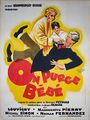 1931 Renoir (film) 2.jpg 273 × 365; 103 KB
 1931 Taurog (film) (2).jpg 489 × 600; 81 KB
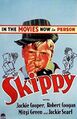 1931 Taurog (film) 1.jpg 254 × 393; 24 KB
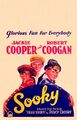 1931 Taurog (film) 2.jpg 252 × 394; 19 KB
 1931 Taylor (film).jpg 395 × 600; 143 KB
- 1931 Vidor (film).jpg 198 × 300; 107 KB
 1931-32 Goulding (serial).jpg 300 × 400; 40 KB
 1932.jpg 225 × 225; 4 KB
- 1932 Duvivier (film).jpg 269 × 369; 27 KB
- 1932 Ozu (film).jpg 250 × 454; 79 KB
 1933.jpg 226 × 122; 5 KB
 1933 Benoit (film).jpg 262 × 426; 77 KB
 1933 Cowen (film).jpg 380 × 527; 127 KB
- 1933 Mack (short).jpg 200 × 300; 42 KB
 1933 Siodmak (film).jpg 273 × 365; 37 KB
 1933 Steinhoff (film).jpg 440 × 633; 109 KB
- 1933 Vigo (film).jpg 207 × 300; 21 KB
 1933 Walsh (film).jpg 266 × 410; 22 KB
 1933 Wellman (film).jpg 220 × 436; 48 KB
 1934.jpg 225 × 225; 4 KB
 1934 Bernard (film).jpg 270 × 368; 28 KB
 1934 Blasetti (film).jpg 268 × 370; 36 KB
 1934 Borzage (film).jpg 259 × 384; 34 KB
- 1934 Butler (film).jpg 248 × 381; 68 KB
- 1934 Fleming (film).jpg 440 × 687; 101 KB
 1934 Hall (film).jpg 360 × 540; 28 KB
 1934 Hitchcock (film).jpg 321 × 440; 33 KB
 1934 Lachman (film).jpg 259 × 384; 24 KB
 1934 Pasinetti (film).jpg 500 × 750; 26 KB
 1934 Walker (film).jpg 500 × 750; 75 KB
 1935.jpg 225 × 225; 4 KB
- 1935 Butler (film) 2.jpg 255 × 391; 26 KB
- 1935 Butler (film).jpg 255 × 391; 31 KB
- 1935 Cukor (film).jpg 191 × 300; 110 KB
 1935 Cummings (film).jpg 260 × 390; 86 KB
 1935 DFG (film).jpg 250 × 365; 102 KB
 1935 Ford (film).jpg 440 × 576; 126 KB
 1935 Ozu (film).jpg 780 × 1,170; 152 KB
 1935 Reinhardt (film).jpg 249 × 400; 28 KB
- 1935 Rosmer (film).jpg 1,000 × 1,333; 114 KB
 1935 Sloman (film).jpg 500 × 750; 69 KB
 1936.jpg 225 × 225; 4 KB
 1936 Butler (film).jpg 255 × 390; 26 KB
- 1936 Cromwell (film).jpg 255 × 391; 26 KB
 1936 Cummings (film).jpg 580 × 839; 167 KB
 1936 LeRoy (film).jpg 256 × 389; 44 KB
 1936 Neufeld (film).jpg 637 × 927; 400 KB
 1936 Neumann (film).jpg 256 × 389; 24 KB
 1936 Neumann - Sherman (film).jpg 230 × 345; 44 KB
 1936 Ozu (film).jpg 266 × 374; 9 KB
 1936 Rivers (film).jpg 440 × 570; 115 KB
 1936 Wyler (film) 2.jpg 258 × 387; 33 KB
 1937.jpg 225 × 225; 4 KB
 1937 Dwan (film).jpg 200 × 293; 21 KB
- 1937 Flaherty - Korda (film).jpg 276 × 361; 26 KB
- 1937 Fleming (film).jpg 440 × 669; 96 KB
 1937 Ford (film).jpg 255 × 392; 39 KB
- 1937 Keighley (film).jpg 255 × 391; 26 KB
 1937 Lloyd (film).jpg 262 × 350; 38 KB
 1937 McGann (film).jpg 252 × 394; 26 KB
 1937 Shimuzi (film).jpg 350 × 500; 51 KB
 1937 Wyler (film).png 254 × 392; 194 KB
 1938.jpg 225 × 225; 4 KB
 1938 Bacon (film).jpg 256 × 387; 28 KB
 1938 Cline (film).jpg 264 × 376; 30 KB
 1938 Donskoy (film).jpg 264 × 376; 36 KB
 1938 Marin (film) 2.jpg 233 × 428; 22 KB
 1938 Marin (film).jpg 402 × 599; 85 KB
 1938 McGann 1 (film).jpg 951 × 1,200; 215 KB
 1938 Seiler (film).jpg 350 × 500; 41 KB
- 1938 Taurog (film) (1).jpg 220 × 313; 12 KB
- 1938 Taurog (film) (2).jpg 268 × 371; 25 KB
 1938 Wood (film).jpg 253 × 392; 62 KB
 1939.jpg 225 × 225; 4 KB
 1939 Archainbaud (film).jpg 256 × 388; 57 KB
 1939 Calzavara (film).jpg 500 × 709; 39 KB
 1939 Donskoy (film).jpg 300 × 431; 21 KB
 1939 Douglas (film).jpg 440 × 675; 112 KB
- 1939 Fleming (film).jpg 440 × 658; 101 KB
- 1939 Goodwins - Vorhaus (film).jpg 500 × 750; 89 KB
 1939 Lang (film).jpg 272 × 367; 20 KB
 1939 Seiter (film).jpg 257 × 386; 36 KB
 1939 Shimuzi (film).jpg 230 × 345; 17 KB
- 1939 Thorpe (film) (1).jpg 440 × 666; 92 KB
 1939 Vorhaus (film).jpg 264 × 377; 25 KB
 1939 Wolfson (film).jpg 960 × 1,440; 314 KB
- 1939 Wood (film).jpg 261 × 393; 36 KB
 1939 Wyler (film).jpg 440 × 658; 98 KB


