Category:Children--1950s (film subject)
Children--1950s (film subject)
.

Treasure Island (1950)

Bellissima (1951)

Forbidden Games (1952)
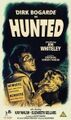
Hunted (1952)

Room for One more (1952)

Little Fugitive (1953)

The Little Kidnappers (1953)

Bright Road (1953)

The 5,000 Fingers of Dr. T. (1953)

Shane (1953)

The Night of the Hunter (1955)

Pather Panchali (1955)

Ciske de Rat (1955)

The King and I (1956)

The Bad Seed (1956)

Il maestro (1957)

All Mine to Give (1957)

The Space Children (1958)

Houseboat (1958)

The Rifle Man (1958)

Fate of a Man (1959)

Dog of Flanders (1959)

Tiger Bay (1959)

The 400 Blows (1959)

The Bridge (1959)


.
.
- Category:Children--1890s (film subject)
- Category:Children--1900s (film subject)
- Category:Children--1910s (film subject)
- Category:Children--1920s (film subject)
- Category:Children--1930s (film subject)
- Category:Children--1940s (film subject)
- Category:Children--1950s (film subject)
- Category:Children--1960s (film subject)
- Category:Children--1970s (film subject)
- Category:Children--1980s (film subject)
- Category:Children--1990s (film subject)
- Category:Children--2000s (film subject)
- Category:Children--2010s (film subject)
- Category:Children--2020s (film subject)
.
1950
- Mar 31, 1950 -- Cheaper by the Dozen (Lang), film -- Clifton Webb, Myrna Loy & a large ensemble of child actors -- Based on the semi-autobiographical novel by Frank B. Gilbreth Jr. and Ernestine Gilbreth Carey, this comedy-drama chronicles the unique upbringing of a massive family in Connecticut. The entire narrative focuses on the dynamics, growth, and collective resilience of a large group of twelve children as they navigate adolescence, school, and sudden family tragedy under the guidance of their eccentric, efficiency-expert father.
- Apr 08, 1950 -- Il mulatto AKA Angelo (De Robertis), film -- Angelo Maggio -- A groundbreaking Italian melodrama that courageously addresses the immediate aftermath of World War II racism and social prejudice. In a historic breakout performance, six-year-old Angelo Maggio stars as a young, blond, Afro-Italian boy caught between an environment of societal exclusion and the complex emotional reconciliation of his white surrogate father. The film heavily utilizes the child's perspective and raw innocence to expose the cultural biases and mentalities of the post-war Reconstruction era.
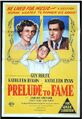
- May 01, 1950 -- Prelude to Fame (McDonell), film -- Jeremy Spenser -- A powerful British psychological drama adapted from Aldous Huxley's short story Young Archimedes. Eleven-year-old Jeremy Spenser delivers a tour-de-force, highly sophisticated performance as Guido, an impoverished Italian boy with a miraculous, instinctive genius for orchestral conducting. The tragic plot serves as a fierce, unsparing indictment of the commercial and psychological exploitation of child prodigies, as a wealthy, obsessive adult woman cuts the boy off from his childhood and family to parade him across global musical stages, driving him to the brink of suicide. -- A powerful British psychological drama adapted from Aldous Huxley's "Young Archimedes." Thirteen-year-old Jeremy Spenser plays Guido, an impoverished Italian boy with an extraordinary natural gift for conducting. The film is unusually critical of the commercialization of child prodigies, making the exploitation of juvenile talent itself the subject of the drama.
- Jun 22, 1950 -- Treasure Island (Haskin), film -- Bobby Driscoll & Robert Newton -- Walt Disney's historic first-ever entirely live-action feature film. Photographed in vivid Technicolor, this landmark production stars 13-year-old studio prodigy Bobby Driscoll as a courageous Jim Hawkins who discovers a pirate treasure map and must navigate high-seas mutiny alongside Robert Newton’s culturally legendary Long John Silver. -- Walt Disney's first entirely live-action feature film. Thirteen-year-old Bobby Driscoll plays Jim Hawkins opposite Robert Newton's Long John Silver, making him the central juvenile protagonist of a major Technicolor adventure. The film represents an important continuation of the Hollywood child-star vehicle into the postwar period.
- Oct 17, 1950 -- The Magnet (Frend), film -- James Fox -- Produced by Ealing Studios. In his brilliant, historic on-screen debut (credited under his childhood name William Fox), ten-year-old James Fox delivers a naturalistic, psychologically complex performance as Johnny Brent, a middle-class boy who cons a younger child out of a toy magnet. The sharp, satirical narrative tracks the massive psychological burden of childhood guilt, as the boy's internal remorse causes him to misinterpret everyday adult interactions as a massive police hunt for his arrest, offering a brilliant look at the secret, isolated world of a child's mind. -- In his screen debut, eleven-year-old James Fox (credited as William Fox) plays Johnny Brent, a boy who takes a magnet from a younger child and becomes increasingly convinced that the adults around him suspect him of wrongdoing. The Ealing comedy is notable for treating the child's imagination, guilt, and distorted perception of adult authority with unusual psychological subtlety.
- Nov 09, 1950 -- Los Olvidados (Buñuel), film -- Alfonso Mejía, Roberto Cobo & Alma Delia Fuentes -- Luis Buñuel's unsparing masterpiece of Mexican social realism that blends gritty docudrama with surrealist dream sequences. The film follows a group of impoverished juvenile delinquents navigating the squalid slums of Mexico City, exploring the systemic corruption of childhood innocence through the heartbreaking, raw downward spiral of young Pedro. -- Luis Buñuel's uncompromising portrait of impoverished children and adolescents in Mexico City. Alfonso Mejía plays Pedro, the principal child protagonist, while Roberto Cobo and Alma Delia Fuentes are part of the juvenile ensemble. The film extends the Neorealist concern with children as products and victims of social conditions into a darker, partly surrealist Mexican context.
- Dec 07, 1950 -- Kim (Saville), film -- Dean Stockwell & Errol Flynn -- A major MGM adventure production adapted from Rudyard Kipling's famous novel. Thirteen-year-old Hollywood studio prodigy Dean Stockwell stars in the title role as Kim, an orphaned white boy raised in the vibrant streets of colonial India. The young boy serves as the absolute focal point of the narrative, using his sharp wit and street smarts to blend into the culture and operate as a key spy for the British Secret Service during the political "Great Game."
1951
- Sep 26, 1951 -- Savage Triangle [Le Garçon sauvage] (Delannoy), film -- Pierre Michel Beck -- Jean Delannoy's gritty, emotionally complex French drama adapted from Édouard Peisson's novel. Thirteen-year-old child actor Pierre Michel Beck delivers a searing, psychologically intense breakout performance as Simon, a lonely boy raised in the countryside who is suddenly reclaimed by his mother, a Marseille prostitute. The narrative charts the child's raw trauma, fierce jealousy, and moral confusion as he fights for his mother's affection while competing against her dangerous underworld lover. (To double-check!)
- Oct 31, 1951 -- Scrooge AKA A Christmas Carol (Hurst), film -- Glyn Dearman -- This British production is widely considered the definitive cinematic adaptation of Charles Dickens' holiday novella. While Alastair Sim anchors the film as the adult miser, child actor Glyn Dearman delivers a deeply poignant, immortalized performance as Tiny Tim Cratchit, perfectly capturing the frail, angelic optimism that functions as the moral and emotional catalyst for Scrooge's redemption. -- Glyn Dearman, born in December 1939, was eleven when he played Tiny Tim in this celebrated British adaptation of Dickens. His performance gives the frail child a genuine dramatic presence rather than treating him merely as a sentimental symbol, while the character remains the emotional catalyst for Scrooge's transformation.
- Nov 06, 1951 -- Where No Vultures Fly (Watt), film -- William Simons -- An Ealing adventure about the creation of a wildlife reserve in East Africa. Eight-year-old William Simons plays Tim Payton, the young son of the central couple. Although the adult conservation story dominates, the child's presence is substantial enough to represent the continuing British tradition of integrating child performers into location-based adventure cinema.
- Nov 18, 1951 -- Wonder Boy AKA The Wonder Kid (Hartl), film -- Bobby Henrey -- Custom-built by London Films to showcase the delicate, naturalistic talent of eleven-year-old child prodigy Bobby Henrey following his success in The Fallen Idol. Henrey gives an emotionally layered performance as Sebastian Giro, an exploited, over-scheduled young concert pianist who is hand-delivered to a gang of international crooks by his governess, creating a complex narrative focused on the loneliness and commercial manipulation of child stars. -- Bobby Henrey plays Sebastian Giro, a young concert pianist whose extraordinary musical talent has become the property of adults who exploit and control him. Coming after The Fallen Idol, the film is an especially interesting example of the postwar cinema's fascination with the isolation and commercialization of child prodigies.
- Nov 22, 1951 -- Nobody's Children AKA I figli di nessuno (Matarazzo), film -- Enzo Staiola -- A massive commercial success in post-war Italian melodrama. Enzo Staiola—famous for his legendary childhood performance in Bicycle Thieves—delivers a tragic, emotionally demanding performance as Antonello, an innocent boy caught in a cruel web of family sabotage, class division, and corporate greed, serving as the absolute emotional anchor and ultimate tragic casualty of the plot.
- Dec 14, 1951 -- Awaara AKA The Vagabond (Kapoor), film -- Shashi Kapoor -- A monumental classic of Indian cinema that explores the philosophical battle of nature versus nurture. A significant portion of the film's crucial foundation rests on the performance of a young Shashi Kapoor, who plays the central protagonist, Raj, as an impoverished street child forced into petty crime after being abandoned by his wealthy father.
<Extant film; YES online>
- Dec 18, 1951 -- Kekec (Gale), film -- Matija Barl -- Produced by Triglav Film and directed by Jože Gale, this beloved alpine adventure is historically monumental as the very first feature-length children's film in Slovenian and Yugoslavian cinema history. Eleven-year-old Matija Barl gives a highly naturalistic, charismatic performance as Kekec, a cheerful, courageous young herd boy who uses his wits to outsmart a brutal, mountain poacher, establishing a defining national folk archetype of youthful bravery. -- Eleven-year-old Matija Barl plays Kekec, a cheerful and courageous mountain shepherd boy who confronts a dangerous poacher. The first feature film adaptation of the popular Slovenian literary character, Kekec established one of the defining juvenile heroes of Slovenian cinema and became an important landmark in Yugoslav children's cinema.
- Dec 19, 1951 -- Never Take No for an Answer [Peppino e Violetta] (Cloche & Smart), film -- Vittorio Manunta -- A highly acclaimed Anglo-Italian neo-realist drama adapted from Paul Gallico's story The Small Miracle. Set in post-war Assisi, eight-year-old Vittorio Manunta delivers a powerhouse, deeply affecting performance as Peppino, a determined orphan boy who refuses to accept adult bureaucratic rejection and embarks on a desperate, high-stakes journey to the Vatican to personally ask the Pope for permission to take his sick donkey, Violetta, into the crypt of St. Francis for a miracle. -- Eight-year-old Vittorio Manunta plays Peppino, an orphan boy who travels from Assisi to Rome and ultimately to the Vatican in an attempt to save his beloved donkey. The film combines British family cinema with an Italian postwar setting and gives the child the active agency normally denied to juvenile characters in adult narratives.
- Dec 27, 1951 -- Bellissima (Visconti), film -- Tina Apicella -- A brilliant satire of the film industry shot at Rome's iconic Cinecittà studios. Six-year-old Tina Apicella plays Maria, a working-class girl pushed relentlessly by her obsessed, fiercely protective mother (Anna Magnani) into a ruthless Hollywood-style screen test, resulting in a crushing look at the loss of childhood innocence. -- Six-year-old Tina Apicella plays Maria, the daughter whom her working-class mother desperately pushes toward a Cinecittà screen test. Visconti turns the child's attempted transformation into a movie star into a critique of the film industry's exploitation of children and of parental fantasies of social advancement.
1952
- Jan 15, 1952 -- Room for One More (Taurog), film -- Malcolm Cassell, Patty King & Jimmy Hunt -- A heartwarming Warner Bros. comedy-drama charting a middle-class couple who opens their home to troubled, foster children. The film relies heavily on its young cast to deliver emotionally layered performances, exploring themes of patience, juvenile rehabilitation, and unconditional family acceptance as the children slowly overcome their psychological defense mechanisms.
- May 09, 1952 -- Forbidden Games [Jeux interdits] (Clément), film -- Brigitte Fossey & Georges Poujouly -- A heartbreaking classic and masterpiece of French cinema that explores the psychological coping mechanisms of children during wartime. Six-year-old Brigitte Fossey delivers a legendary, astonishingly raw performance as a young Parisian girl orphaned during a Nazi air raid who builds a secret cemetery for dead animals with a local peasant boy to process her grief. -- Six-year-old Brigitte Fossey and eleven-year-old Georges Poujouly play two children who create a secret cemetery for dead animals as a way of coping with the violence and death surrounding them during the German occupation of France. The film is one of the great postwar representations of childhood, showing children creating their own symbolic world in response to adult violence.
- Aug 06, 1952 -- Children of Hiroshima AKA Genbaku no ko (Shindō), film -- Juvenile ensemble -- A monumental, universally acclaimed Japanese masterpiece commissioned by the Japan Teachers Union. Adapted from a book of real-life testimonies compiled by professor Arata Osada, director Kaneto Shindō filters the devastating, multi-generational aftermath of the atomic bomb through a schoolteacher visiting her former young students. The film relies heavily on a naturalistic juvenile ensemble to represent the profound physical trauma, radiation poisoning, and societal ostracization of the hibakusha generation, establishing a haunting international development of the child as a vehicle of raw historical realism.
- Aug 20, 1952 -- The Miracle of Our Lady of Fatima (Brahm), film -- Susan Whitney, Sherry Jackson & Sammy Ogg -- A major Warner Bros. religious drama based on the historical 1917 Marian apparitions in Portugal. Children Susan Whitney, Sherry Jackson, and Sammy Ogg completely anchor the narrative as three young, impoverished shepherds who witness prophetic visions of the Virgin Mary, centering the plot entirely on the children's psychological endurance and spiritual resilience against aggressive adult skepticism.
- Dec 25, 1952 -- The Member of the Wedding (Zinnemann), film -- Brandon deWilde & Julie Harris -- A deeply poignant Southern drama adapted from Carson McCullers' famous novel. Following his acclaimed stage run, 10-year-old Brandon deWilde delivers a wonderfully naturalistic, touching performance as John Henry Arthur, a sweet, spectacled seven-year-old boy who acts as a grounding confidant to his lonely, tempestuous adolescent cousin during a sweltering summer. -- Ten-year-old Brandon deWilde plays John Henry, the young cousin of Frankie Addams. Although Julie Harris's adolescent Frankie is the principal child character, deWilde's performance gives the film an important second juvenile perspective and demonstrates the increasingly sophisticated dramatic roles available to American child performers.
- Dec 30, 1952 -- The Yellow Balloon (Thompson), film -- Andrew Ray -- A tense British suspense thriller that stands as an exceptional postwar examination of the psychological manipulation of children. Ten-year-old Andrew Ray gives a superb, anxiety-ridden performance as Frankie, a young boy who accidentally causes his friend's fatal fall and is subsequently blackmailed by a ruthless criminal who uses the child’s terror to force him into aiding underworld crimes.
1953
- April 09, 1953 -- Invaders from Mars (Menzies), film -- Jimmy Hunt -- William Cameron Menzies' landmark Cold War sci-fi thriller uniquely filters an alien invasion entirely through a child's psychological nightmare. Twelve-year-old studio veteran Jimmy Hunt delivers a compelling, frantic performance as David MacLean, a young boy who witnesses a flying saucer land in his backyard and must navigate intense terror when the adults around him—including his own parents—are cold-bloodedly mind-controlled by the extraterrestrial force. -- Thirteen-year-old Jimmy Hunt plays David MacLean, the boy who discovers that extraterrestrials are secretly controlling the adults around him. By filtering the entire invasion narrative through a child's fear and uncertainty, the film turns the juvenile protagonist into the principal consciousness of a Cold War science-fiction thriller.
- Apr 15, 1953 -- White Mane AKA Crin-Blanc (Lamorisse), film -- Alain Emery -- A visually stunning, universally acclaimed French cinematic fable shot on location in the marshes of the Camargue. Non-professional young actor Alain Emery delivers a remarkably pure, naturalistic performance as Folco, a young peasant fisherman boy who forms a deep, spiritual bond with a wild white stallion that refuses to be tamed by adult ranchers, serving as an iconic postwar exploration of innocent childhood freedom rebelling against adult cruelty.
- April 17, 1953 -- Bright Road (Mayer), film -- Philip Hepburn & Dorothy Dandridge -- An exceptionally progressive MGM drama that stands out as a historic milestone for African-American casting. Eleven-year-old child actor Philip Hepburn delivers a deeply sensitive, naturalistic performance as C.T. Young, a lonely, misunderstood student who struggles with academic isolation but possesses a profound, quiet empathy for nature, providing a rare, highly respectful early Hollywood portrait of Black childhood. -- Philip Hepburn plays C. T. Young, a troubled young student whose teacher attempts to reach him through patience and understanding. The nearly all-Black cast makes the film an important early Hollywood representation of African-American childhood outside the stereotypical comic roles traditionally assigned to Black juvenile performers.
- Apr 23, 1953 -- Shane (Stevens), film -- Brandon deWilde -- A legendary and visually stunning Technicolor Western that elevates the genre into a serious-minded exploration of frontier civilization versus violence. Ten-year-old Brandon deWilde delivers an unforgettable, Oscar-nominated performance as Joey Starrett, a wide-eyed homestead boy who develops a deep fascination and heroic idolization for a mysterious, soft-spoken former gunfighter. -- Eleven-year-old Brandon deWilde plays Joey Starrett, the boy who idealizes Shane and gradually confronts the contradiction between the heroic image of the gunfighter and the violence of the frontier. DeWilde's performance was central to the film's emotional structure and earned him an Academy Award nomination for Supporting Actor, making him one of the most prominent child performers of the decade.
- July 01, 1953 -- The 5,000 Fingers of Dr. T. (Rowland), film -- Tommy Rettig -- Written by Dr. Seuss, this lavish, highly surreal cult musical fantasy captures the ultimate cinematic manifestation of childhood rebellion against adult authority. Nine-year-old Tommy Rettig delivers a phenomenal performance as Bart Collins, a boy who falls asleep during piano practice and wakes up trapped in a nightmarish, expressionistic dreamscape where a tyrannical music teacher forces 500 children to continuously play a giant, curved piano. -- Nine-year-old Tommy Rettig plays Bart Collins, a boy who escapes the oppressive discipline of piano lessons by dreaming himself into an extraordinary surreal world in which children are enslaved to music. The film is a particularly radical cinematic expression of childhood rebellion against adult authority.
- Oct 16, 1953 -- Little Fugitive (Engel, Orkin & Rogosin), film -- Richie Andrusco -- A groundbreaking American independent masterpiece filmed on location with hidden cameras at Coney Island. Seven-year-old non-professional actor Richie Andrusco gives a remarkably raw and historic performance as Joey, a little boy who flees to the crowded beach resort after being tricked into believing he accidentally shot his older brother, heavily influencing the French New Wave movement. -- Seven-year-old non-professional Richie Andrusco plays Joey, a Brooklyn boy who runs away to Coney Island after being tricked into believing that he has shot his older brother. Shot largely on location with hidden cameras, the film became a landmark of independent American cinema and an important precursor to the French New Wave. Its child protagonist is observed with extraordinary freedom and without the artificiality of the conventional studio child star.
- Dec 17, 1953 -- The Little Kidnappers (Leacock), film -- Jon Whiteley & Vincent Winter -- A highly acclaimed, heartwarming British family drama set in a strict, turn-of-the-century pioneer community in Nova Scotia. Genuine child actors Jon Whiteley and Vincent Winter deliver extraordinarily authentic, non-precocious performances as two orphaned brothers who secretly adopt an abandoned baby after being forbidden from having a pet dog, earning both boys a special Juvenile Academy Award. -- Scottish child actors Jon Whiteley and Vincent Winter play orphaned brothers who secretly care for an abandoned baby. Both boys received the Academy Juvenile Award for their performances. The film is particularly important for its naturalistic use of children as independent dramatic protagonists rather than miniature adult actors.
1954
- Jun 16, 1954 -- Them! (Douglas), film -- Sandy Descher -- Sandy Descher plays the traumatized young girl found wandering alone after the giant-ant attacks. Although her role is brief, the child is crucial to the film's opening mystery and to the creation of its atmosphere of postwar nuclear anxiety. She represents an important recurring figure in 1950s science fiction: the innocent child who becomes the first visible victim of an adult technological catastrophe.
- Sep 15, 1954 -- Twenty-Four Eyes (Kinoshita), film -- Hideko Takamine & juvenile ensemble -- Keisuke Kinoshita's antiwar drama follows a schoolteacher and the twelve children in her first class across several decades of Japanese history. The children are played by young performers at different ages, and their changing lives provide the film with its emotional and historical structure. It is a major example of the Japanese cinema's use of a juvenile ensemble to represent the effects of nationalism, war, poverty, and social change on an entire generation.
- Oct 15, 1954 -- Child's Play (Thomson), film -- Christopher Beeny & juvenile ensemble -- A unique British science-fiction comedy that offers a stark, fascinating thematic contrast to the atomic dread of Them!. A precocious group of neighborhood children (credited as "The Holy Terrors") get hold of an advanced chemistry set and successfully split the atom, using their newfound nuclear capabilities to establish a highly automated, global popcorn manufacturing factory while entirely outsmarting the local adult authorities. <EXTANT; Not freely available>
- Nov 09, 1954 -- The Divided Heart (Crichton), film -- Michel Ray -- A powerful, critically acclaimed British drama inspired by a true post-WWII legal case. Nine-year-old child actor Michel Ray delivers a deeply moving performance as Toni, a displaced European orphan who was adopted by a loving German couple after the war, only to have his biological mother track him down years later, centering the entire narrative on the child's psychological confusion and emotional fragmentation as adults fight for his custody. <EXTANT; YES online>
1955
- Feb 24, 1955 -- The Miracle of Marcelino / Marcelino, pan y vino (Vajda), film -- Pablito Calvo -- Seven-year-old Pablito Calvo plays Marcelino, an orphan raised in a monastery who develops a miraculous relationship with a statue of Christ. The film became an international success and transformed Calvo into one of Spain's most famous child stars. It is especially significant because it combines the sentimental child-star tradition with the visual and social influences of postwar European realism.
- May 15, 1955 -- A Kid for Two Farthings (Reed), film -- Jonathan Ashmore -- Directed by Carol Reed, this whimsical yet poignant British post-war drama stars six-year-old Jonathan Ashmore as Joe, a lonely boy living in London's impoverished East End. Convinced by a local tailor's tales, Joe purchases a small, deformed goat believing it to be a magical unicorn capable of granting wishes, filtering the harsh economic realities and domestic struggles of the adult world entirely through an innocent child’s lens of fantasy.
- Jul 26, 1955 -- The Night of the Hunter (Laughton), film -- Billy Chapin & Sally Jane Bruce -- A critically revered, visually astonishing Southern Gothic thriller heavily influenced by German Expressionism. Child actors Billy Chapin and Sally Jane Bruce anchor the film's nightmarish, fairy-tale atmosphere as two terrified siblings fleeing down a river to escape a sinister, money-hungry serial killer posing as a righteous preacher. -- Billy Chapin and Sally Jane Bruce play siblings John and Pearl Harper, who are pursued through the American South by the murderous preacher Harry Powell. The children are at the center of the film's fairy-tale nightmare structure: the story is experienced through their fear, ingenuity, and flight. Their performances helped make the film one of the most distinctive uses of children in American genre cinema.
- Aug 26, 1955 -- Pather Panchali (Ray), film -- Subir Banerjee & Uma Dasgupta -- The legendary directorial debut of Satyajit Ray and the foundational first entry in The Apu Trilogy, heavily inspired by Italian Neorealism. Shot on location in rural Bengal with an untrained cast, the beautifully poetic drama captures the daily hardships, quiet resilience, and innocent wonders of a young boy named Apu and his older sister Durga growing up amidst extreme family poverty. -- Satyajit Ray's landmark debut follows Apu and his older sister Durga in a poor Bengali village. Subir Banerjee and Uma Dasgupta, both non-professional young performers, give the film its central experience of childhood discovery, curiosity, poverty, play, and loss. Deeply influenced by Italian Neorealism, the film represents a decisive international development of the child as a vehicle of cinematic realism.
- Oct 01, 1955 -- Ciske de Rat (Staudte), film -- Dick van der Velde -- A highly acclaimed West German-Dutch social realist drama based on Piet Bakker's classic novel. Eleven-year-old Dick van der Velde delivers a raw, deeply moving breakout performance as Ciske, a lonely, streetwise Amsterdam street urchin who navigates severe maternal neglect and systemic school authority, driving a powerful narrative focused on a child's psychological cry for affection. -- Eleven-year-old Dick van der Velde plays Ciske, a neglected Amsterdam street boy struggling against maternal indifference and institutional authority. The film belongs to the European postwar tradition of socially realistic childhood narratives and uses the child's emotional vulnerability to expose failures within the adult social order.
Oct 05, 1955 -- The Desperate Hours (Wyler), film -- Richard Eyer -- A legendary, tense Paramount film noir home-invasion thriller directed by William Wyler. Ten-year-old studio veteran Richard Eyer delivers a brilliant, emotionally high-stakes performance as Ralphie Hilliard, the fiercely defensive youngest son of a suburban family held hostage by escaped convicts. In stark contrast to standard submissive child tropes of the era, the narrative hinges significantly on the boy's psychological resilience, rebellious behavior, and desperate attempts to actively protect his parents, introducing a vital layer of domestic anxiety to 1950s American thriller cinema.
- Nov 22, 1955 -- Bravissimo (D'Amico), film -- Giancarlo Zarfati -- A popular Italian comedy-drama satire tracking a well-meaning music teacher (Alberto Sordi) who discovers a six-year-old neighborhood boy named Gigetto with a miraculous, adult operatic baritone singing voice. Child actor Giancarlo Zarfati delivers a highly charismatic performance as the toddler prodigy, navigating a fast-paced plot that exposes adult greed and the commercial exploitation of child talent. -- Six-year-old Giancarlo Zarfati plays Gigetto, a neighborhood child with an extraordinary operatic baritone voice. The comedy follows the adults who attempt to exploit his unusual talent, making the film another Italian example of the recurring postwar theme of the commercial exploitation of child prodigies
1956
- Mar 31, 1956 -- Mi tío Jacinto (Vajda), film -- Pablito Calvo -- Pablito Calvo plays Pepote, an orphan boy living with his impoverished uncle in Madrid. The film combines comedy, social realism, and the relationship between an adult and a child, clearly echoing the father-son structure of Bicycle Thieves. Calvo's performance won the Public Prize at the Berlin International Film Festival and confirmed his position as one of Europe's leading postwar child stars.
- May 03, 1956 -- The Red Balloon [Le Ballon rouge] (Lamorisse), film -- Pascal Lamorisse -- A universally adored, visually enchanting cinematic fable filmed in the Belleville neighborhood of Paris. With almost no spoken dialogue, young Pascal Lamorisse beautifully anchors the fantasy short film as a lonely boy who discovers a sentient, bright red balloon that follows him through the grey city streets, winning the Palme d'Or and an Academy Award for Best Original Screenplay. -- Pascal Lamorisse plays a Parisian boy whose extraordinary friendship with a sentient red balloon transforms the streets of Belleville into a child's magical world. With almost no dialogue, the film relies on the physical presence and spontaneous behavior of the child performer. It won the Palme d'Or for short film at Cannes and the Academy Award for Best Original Screenplay.
- June 28, 1956 -- The King and I (Lang), film -- Rex Thompson & Patrick Adiarte -- A lavish, multi-Oscar-winning Rodgers and Hammerstein musical spectacle. Ten-year-old child actor Rex Thompson delivers a highly polished, mature performance as Louis Leonowens, navigating a severe culture clash in Bangkok alongside a young Patrick Adiarte as Prince Chulalongkorn, anchoring the foundational generational subplots within the royal court. -- Ten-year-old Rex Thompson plays Louis Leonowens, while Patrick Adiarte plays Prince Chulalongkorn. Their juvenile characters provide an important counterpoint to the adult conflict between Anna and the King and give the musical a substantial representation of childhood within the royal court.
- August 15, 1956 -- Smiley (Kimmins), film -- Colin Petersen & Bruce Archer -- A beloved, culturally significant comedy-drama shot on location in the Australian outback. Non-professional child actor Colin Petersen gives a highly natural, charismatic breakout performance as Smiley, a mischievous, freckle-faced bush boy determined to save up enough money to buy his own bicycle, inadvertently getting entangled in adult boundary skirmishes and establishing a definitive archetype of Australian cinematic childhood. -- Colin Petersen plays Smiley, an Australian bush boy whose determination to obtain a bicycle leads him into a succession of comic adventures. The film's use of a young non-professional performer and Australian locations made it an important example of a national children's cinema outside the dominant Hollywood system.
- Sep 12, 1956 -- The Bad Seed (LeRoy), film -- Patty McCormack -- A chilling psychological horror-thriller adapted from a successful Broadway play that served as a definitive precursor to the "evil child" cinematic subgenre. Eleven-year-old Patty McCormack delivers a tour-de-force, Oscar-nominated performance as Rhoda Penmark, an impeccably polite, pigtailed eight-year-old girl whose mother slowly uncovers the horrific truth that her daughter is a manipulative, cold-blooded killer. -- Eight-year-old Patty McCormack plays Rhoda Penmark, the apparently perfect child whose mother gradually discovers that she is capable of murder. McCormack's performance became one of the defining child performances in American psychological horror and helped establish the "evil child" as a major cinematic figure.
- Sep 16, 1956 -- Aparajito AKA The Unvanquished (Ray), film -- Pinaki Sengupta -- Satyajit Ray's magnificent second installment of The Apu Trilogy. Child actor Pinaki Sengupta completely commands the first half of the film as the adolescent Apu, chronicling his family's relocation to Varanasi, his raw curiosity during his schoolboy years, and the deep psychological shifts that occur as he begins outgrowing his impoverished surroundings.
- October 26, 1956 -- The Brave One (Rapper), film -- Michel Ray -- An internationally co-produced, Oscar-winning family drama filmed entirely on location in Mexico. Ten-year-old British-Mexican child actor Michel Ray delivers a powerhouse, emotionally raw performance as Leonardo, a rural boy who forms a fierce, protective friendship with a bull cub named Gitano, leading him on a desperate, high-stakes campaign to save the mature animal from a tragic fate in a Mexico City bullring. -- Ten-year-old Michel Ray plays Leonardo, a Mexican boy who attempts to save his beloved bull from being killed in the bullring. The film makes the child's moral determination the driving force of the narrative and won the Academy Award for Best Story.
- Dec 1956 -- The Spanish Gardener (Leacock), film -- Jon Whiteley -- Eleven-year-old Jon Whiteley plays Nicholas, the lonely son of a British diplomat stationed in Spain. His friendship with the family's Spanish gardener becomes the center of a psychologically complex story about class, paternal jealousy, and childhood loyalty. The film provided Whiteley with another major child-star role after The Little Kidnappers.
1957
- May 02, 1957 -- The Happy Road (Kelly), film -- Bobby Clark & Brigitte Fossey -- Directed and produced by Gene Kelly, this international adventure follows an American boy and a French girl who escape their strict Swiss boarding school to run away to Paris. Relying extensively on the naturalistic performances and physical comedy of eleven-year-old Bobby Clark and ten-year-old Forbidden Games star Brigitte Fossey, the narrative focuses on the kids cleverly outsmarting adults and authority figures across the French countryside.
- Sep 12, 1957 -- A King in New York (Chaplin), film -- Michael Chaplin -- Charlie Chaplin’s sharp, anti-establishment political satire features his own ten-year-old son, Michael Chaplin, delivering a powerhouse dramatic performance as Rupert Macabee. Playing a deeply intelligent, fiercely articulate schoolboy with communist parents, the child serves as the primary emotional catalyst of the plot, placing a real child at the center of a sophisticated adult comedy about conformity and McCarthy-era paranoia
- Nov 12, 1957 -- All Mine to Give (Reisner), film -- Rex Thompson & Jon Provost -- A heart-wrenching, classic RKO pioneer melodrama based on a true story. Ten-year-old Rex Thompson handles an incredibly heavy dramatic burden as Robbie Eunson, the eldest of six young immigrant siblings in 1850s Wisconsin who must single-handedly find loving adoptive homes for all of his younger brothers and sisters on Christmas Day after both of their parents suddenly pass away. -- The film follows a Scottish immigrant family in Wisconsin and the children after the sudden deaths of their parents. Fourteen-year-old Rex Thompson plays Robbie, the eldest son, while Jon Provost and several other young performers form the juvenile family ensemble. The children's responsibility for their own survival gives the film an unusually heavy dramatic burden for its young performers.
- Dec 20, 1957 -- Children and Us AKA I bambini e noi (De Sica), TV film/documentary -- Juvenile ensemble -- A landmark, multi-part documentary project produced for Italian television by legendary neorealist masters Vittorio De Sica and Cesare Zavattini. Filmed over several months, this historic television event focuses entirely on interviewing and observing children from working-class families across Italy, providing a devastatingly raw, authentic, and non-fictionalized examination of childhood poverty, labor, and resilience in the post-war era.
- Dec 25, 1957 -- Old Yeller (Stevenson), film -- Kevin Corcoran & Tommy Kirk -- A defining and deeply sentimental post-Civil War coming-of-age Western produced by Walt Disney. While teenage Tommy Kirk forms the central bond with the heroic stray dog, young Kevin Corcoran stands out as his mischievous little brother Arliss, grounding the film's emotional frontier stakes before it builds to its legendary, heart-wrenching climax. -- Eight-year-old Kevin Corcoran plays Arliss Coates, the younger brother of Travis, in Walt Disney's frontier drama. Although fifteen-year-old Tommy Kirk carries the principal adolescent role, Corcoran is the genuine child performer who belongs within our under-fifteen criterion. His role became an important early example of the Disney "American Everykid" child character.
- 1957-58 Season -- Leave It to Beaver (Connelly & Mosher), TV series -- Jerry Mathers & Tony Dow -- Though premiering in late 1957, its legendary 1958 broadcast run permanently solidified it as a cultural milestone. Starring Jerry Mathers as Theodore "Beaver" Cleaver, this production revolutionized the medium as the very first scripted American television series entirely filtered through and told from a child's literal perspective, capturing the innocent logic, curiosity, and moral choices of ordinary mid-century youth.
1958
- Apr 22, 1958 -- Totò e Marcellino (Musu), film -- Pablito Calvo -- Pablito Calvo plays Marcellino, an orphan boy taken in by a poor, eccentric street musician affectionately called "the Professor" (played by Totò). The poignant narrative continues the postwar European cinematic tradition of placing an orphaned child at the center of stories dealing with systemic poverty and surrogate parenthood, while beautifully demonstrating the international star-vehicle circulation of the legendary Spanish child prodigy. The film continues the postwar European tradition of placing an orphaned child at the center of a story about poverty, family, and surrogate parenthood, while demonstrating the international circulation of the Spanish child star.
- June 18, 1958 -- The Space Children (Arnold), film -- Michel Ray, Johnny Crawford & Sandy Descher -- Jack Arnold's unique Paramount sci-fi feature flips the standard 1950s monster tropes by positioning a neighborhood ensemble of children as telepathic peace advocates. Young actors Michel Ray and Johnny Crawford lead a talented juvenile cast who are chosen by an alien intelligence to sabotage a dangerous military missile facility, subverting the era's Cold War anxieties through the moral purity of childhood. -- A Cold War science-fiction film in which a group of children come under the influence of an extraterrestrial intelligence and attempt to prevent a dangerous military experiment. Michel Ray, Johnny Crawford, and Sandy Descher lead the juvenile ensemble. The film is notable for reversing the conventional science-fiction hierarchy: adults create the dangerous technology, while children recognize and resist its destructive potential.
- Sept 30, 1958 -- The Rifleman (Laven & Peckinpah), TV series -- Johnny Crawford -- This historic, highly acclaimed ABC Western series ran until 1963. Twelve-year-old Johnny Crawford delivers a landmark, deeply naturalistic performance as Mark McCain, the emotionally intelligent son of a single, widowed Civil War veteran. Crawford’s exceptional on-screen father-son chemistry with Chuck Connors earned him an Emmy nomination at age 13, establishing a primetime template for grounded youth performance.
- Nov 19, 1958 -- Houseboat (Shavelson), film -- Charles Herbert, Mimi Gibson & Paul Petersen -- A major commercial Paramount romantic comedy blockbuster. Child star Charles Herbert leads a talented young ensemble as Robert Winston, a rebellious, grieving boy who refuses to accept his estranged father (Cary Grant) until they move onto a ramshackle floating home, providing a witty yet emotionally authentic look at modern childhood coping strategies. -- Cary Grant's adult romantic comedy is structured around a widowed father and his three children, with Charles Herbert, Mimi Gibson, and Paul Petersen providing substantial juvenile performances. The film illustrates the continuing Hollywood practice of making children integral to adult family narratives rather than restricting them to children's films.
- Dec 04, 1958 -- Auntie Mame (DaCosta), film -- Jan Handzlik -- A lavish, highly successful Technicolor comedy-drama adapted from the famous Patrick Dennis novel. Ten-year-old child actor Jan Handzlik delivers a polished, deeply endearing performance as the young, orphaned Patrick Dennis, completely anchoring the film's first half as his upbringing is thrust into the flamboyant, non-conformist, and bohemian lifestyle of his eccentric Manhattan socialite aunt.
1959
- Mar 19, 1959 -- The Shaggy Dog (Barton), film -- Kevin Corcoran -- Kevin Corcoran plays Moochie, the younger brother in Disney's fantasy comedy about a teenager transformed into a dog. Although Tommy Kirk, the principal juvenile star, was already seventeen, Corcoran was only nine and provides a substantial child role. The film marks the emergence of the Disney child-performer ensemble that would become increasingly important in the 1960s.
- Mar 20, 1959 -- Tiger Bay (Thompson), film -- Hayley Mills -- A gripping British crime thriller that launched a historic acting dynasty. In her legendary, BAFTA-winning film debut, 12-year-old Hayley Mills delivers a masterclass performance as Gillie, a tomboyish street urchin who witnesses a crime of passion and forms an unlikely, protective bond with the young fugitive sailor rather than cooperating with the investigating detective. -- Twelve-year-old Hayley Mills makes her major film debut as Gillie, a tomboy who witnesses a murder and refuses to betray the fugitive she befriends. Her performance won the BAFTA Award for Most Promising Newcomer and established Mills as one of the most important British child stars of the late 1950s.
- April 12, 1959 -- Fate of a Man (Bondarchuk), film -- Pavel Boriskin -- [A devastatingly powerful Soviet wartime masterpiece](wikipedia.org Man "Fate of a Man") that won the Grand Prize at the Moscow International Film Festival. Five-year-old non-professional child actor Pavel Boriskin delivers an incredibly raw, globally revered performance as Vanya, a starving, shell-shocked orphan of WWII who forms a transformative surrogate father-son bond with a broken, former concentration camp prisoner who tells the boy he is his real father. -- Five-year-old Pavel Boriskin plays Vanya, a war orphan who is adopted by a Soviet soldier returning from the Second World War. The child's appearance transforms the protagonist's despair into a fragile possibility of renewed family life. It is an especially powerful example of the postwar Soviet cinema's use of the child as a symbol of survival after collective catastrophe.
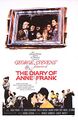
- Apr 17, 1959 -- The Diary of Anne Frank (Stevens), film -- Millie Perkins & juvenile ensemble -- A towering, multi-Oscar-winning historical drama based on the world-famous wartime diary. The film's entire narrative framework relies on filtering the claustrophobic terror, adolescent growth, and moral endurance of the Holocaust through a youthful perspective, providing a monumental mid-century representation of a child as a primary symbol of survival amidst collective catastrophic warfare.
- May 04, 1959 -- The 400 Blows [Les Quatre Cents Coups] (Truffaut), film -- Jean-Pierre Léaud -- A universally acclaimed masterpiece and a foundational cornerstone of the French New Wave movement. In a deeply sensitive, semi-autobiographical debut, adolescent Jean-Pierre Léaud delivers an iconic, raw performance as Antoine Doinel, a misunderstood Parisian youth navigating severe parental neglect, rigid school authority, and petty street crime. -- Fourteen-year-old Jean-Pierre Léaud plays Antoine Doinel, the neglected Parisian boy whose experiences of school, family conflict, petty crime, and institutional punishment provide the basis of François Truffaut's first feature. Léaud's performance is one of the decisive child performances of the postwar period and became foundational for the French New Wave's new representation of adolescence and childhood.
- Jul 28, 1959 -- The Boy and the Bridge (Hale), film -- Ian MacLaine -- A highly praised, poetic British independent drama that screened at the Venice Film Festival. Young Ian MacLaine gives a wonderfully naturalistic, touching performance as Tommy, a lonely London boy who mistakenly believes his father is in trouble with the law and runs away to hide inside the monumental structures of Tower Bridge, creating a poignant narrative focused on childhood isolation and urban imagination. <EXTANT; online YES>
- Oct 22, 1959 -- Die Brücke [The Bridge] (Wicki), film -- Volker Bohnet, Fritz Wepper & Michael Hinz -- Bernhard Wicki's uncompromising, multi-award-winning West German anti-war masterpiece set during the final desperate days of WWII. The plot tracks a class of naive, heavily indoctrinated 16-year-old schoolboys who are hastily conscripted into the army and assigned to guard a completely useless village bridge, masterfully charting the tragic, horrific destruction of adolescent idealism under military fanatical conditioning.
Media in category "Children--1950s (film subject)"
The following 118 files are in this category, out of 118 total.
 1949-1952 Cahan (TV series).jpg 1,000 × 1,415; 135 KB
 1949-1956 Berg (TV series).jpg 267 × 373; 27 KB
 1950.jpg 225 × 225; 4 KB
 1950 Bunuel (film).jpg 273 × 364; 25 KB
 1950 De Robertis (film).jpg 1,000 × 1,376; 124 KB
 1950 Frend (film).jpg 296 × 450; 33 KB
- 1950 Haskin (film).jpg 258 × 387; 25 KB
 1950 Lang (film).jpg 960 × 1,440; 527 KB
 1950 McDonell (film).jpg 459 × 668; 50 KB
 1950 Negulesco (film).jpg 255 × 390; 64 KB
 1950 Saville (film).jpg 257 × 387; 37 KB
 1950 Wellman (film).jpg 256 × 388; 77 KB
 1951.jpg 225 × 225; 3 KB
 1951 Asquith (film).jpg 266 × 374; 17 KB
 1951 Brown (film).jpg 252 × 393; 35 KB
 1951 Calzavara (film).jpg 259 × 384; 27 KB
 1951 Matarazzo (film).jpg 350 × 500; 54 KB
 1951 Parry (film).jpg 350 × 500; 59 KB
- 1951 Visconti (film).jpg 264 × 380; 26 KB
 1952.jpg 225 × 225; 4 KB
 1952 Borghesio (film).jpg 1,000 × 1,481; 206 KB
- 1952 Clement (film).jpg 267 × 373; 26 KB
 1952 Comencini (film).jpg 259 × 383; 24 KB
- 1952 Crichton (film).jpg 174 × 294; 32 KB
 1952 Endfield (film).jpg 600 × 929; 171 KB
 1952 Fanciolini (film).jpg 252 × 367; 48 KB
 1952 Koster et al (film).jpg 254 × 392; 31 KB
 1952 Newman (film).jpg 666 × 1,009; 132 KB
 1952 Shindo (film).jpg 780 × 1,170; 248 KB
- 1952 Taurog (film).jpg 260 × 383; 23 KB
 1952 Tetzlaff (film).jpg 273 × 364; 39 KB
 1952 Zinnemann (film) 2.jpg 400 × 470; 111 KB
 1953.jpg 225 × 225; 4 KB
- 1953 Ashley (film).jpg 440 × 681; 107 KB
 1953 Bauer (film).jpg 212 × 304; 57 KB
 1953 Hawks (film).jpg 220 × 329; 144 KB
 1953 Lamorisse (film).jpg 354 × 500; 32 KB
- 1953 Leacock (film).jpg 255 × 391; 24 KB
- 1953 Mayer (film).jpg 259 × 384; 25 KB
 1953 Menzies (film).jpg 187 × 286; 24 KB
- 1953 Rowland (film).jpg 440 × 664; 80 KB
 1953 Seaton (film).jpg 256 × 390; 36 KB
 1953 Sekigawa (film).jpg 802 × 1,113; 198 KB
- 1953 Stevens (film).jpg 440 × 675; 116 KB
 1953 Sturges (film).jpg 252 × 395; 28 KB
 1953 Thompson (film).jpg 350 × 500; 75 KB
 1953-1964 Leonard (TV series).jpg 345 × 500; 44 KB
 1954.jpg 225 × 225; 4 KB
 1954 Arora (film).jpg 251 × 398; 25 KB
 1954 Lattuada (film).jpg 240 × 360; 25 KB
 1954 Leonard (film).jpg 255 × 390; 17 KB
 1954 Preminger (film).jpg 220 × 334; 145 KB
 1954 Stemmle (film).jpg 262 × 379; 26 KB
 1954-1959 Walker (TV series).jpg 641 × 900; 273 KB
 1954-1974 Maxwell (TV series).jpg 300 × 425; 28 KB
 1955.jpg 225 × 225; 4 KB
 1955 Hopper (film).jpg 256 × 389; 37 KB
 1955 Lang (film).jpg 259 × 399; 57 KB
- 1955 Laughton (film).jpg 440 × 677; 102 KB
 1955 Lean (film).jpg 258 × 387; 88 KB
 1955 Ramdas (film).jpg 230 × 345; 31 KB
- 1955 Ray S (film).jpg 1,333 × 2,000; 350 KB
 1955 Reed (film).jpg 780 × 1,170; 178 KB
 1955 Rossi (film).jpg 200 × 280; 11 KB
 1955 Schnyder (film).jpg 264 × 376; 28 KB
- 1955 Staudte (film).jpg 175 × 267; 16 KB
 1955 Vajda (film).jpg 556 × 806; 82 KB
 1955 Wyler (film).jpg 257 × 388; 22 KB
 1955-1956 Archainbaud (TV series).jpg 371 × 527; 102 KB
 1955-1960 Bailey et al. (TV series).jpg 261 × 380; 26 KB
 1956.jpg 225 × 225; 4 KB
 1956 Bauer (film).jpg 264 × 377; 96 KB
 1956 Hitchcock (film) (1).jpg 440 × 670; 78 KB
 1956 Kimmins (film).jpg 200 × 286; 12 KB
 1956 Lamorisse (film).png 236 × 320; 128 KB
- 1956 Lang (film).jpg 259 × 400; 40 KB
 1956 Leacock (film).jpg 262 × 380; 25 KB
- 1956 LeRoy (film).jpg 265 × 376; 20 KB
 1956 Rapper (film).jpg 260 × 384; 27 KB
 1956 Wellman (film).jpg 254 × 391; 34 KB
 1957.jpg 225 × 225; 4 KB
 1957 Comencini (film).jpg 1,000 × 1,428; 174 KB
 1957 Donner (film).jpg 431 × 645; 89 KB
- 1957 Fabrizi (film).jpg 338 × 500; 49 KB
 1957 Gouveia & Seabra (TV film).jpg 336 × 445; 41 KB
 1957 Kelly (film).jpg 388 × 600; 48 KB
 1957 Neufeld (film).jpg 265 × 375; 32 KB
- 1957 Reisner (film).jpg 256 × 390; 126 KB
 1957 Stevenson (film).jpg 440 × 677; 144 KB
 1957 Vajda (film).jpg 710 × 1,000; 114 KB
 1957-1963 Connelly & Mosher (TV series).jpg 1,000 × 1,416; 102 KB
 1958.jpg 225 × 225; 4 KB
- 1958 Arnold (film).jpg 269 × 383; 134 KB
 1958 Curtiz (film).png 280 × 357; 184 KB
 1958 DaCosta (film).jpg 200 × 300; 15 KB
 1958 Donner (film).jpg 1,000 × 1,444; 172 KB
 1958 Gilbert (film).jpg 350 × 500; 65 KB
 1958 Haas & Howard (film).jpg 800 × 1,199; 182 KB
 1958 Humberstone (film).jpg 254 × 391; 28 KB
 1958 Kardar (film).jpg 222 × 300; 29 KB
 1958 Leacock (film).jpg 1,000 × 1,472; 173 KB
 1958 Musu (film).jpg 264 × 376; 38 KB
- 1958 Shavelson (film).jpg 259 × 388; 75 KB
 1958 Tati (film).jpg 217 × 300; 56 KB
- 1958-1963 Peckinpah (TV series).jpg 382 × 518; 60 KB
 1959.jpg 225 × 225; 4 KB
 1959 Barton (film).png 270 × 369; 179 KB
- 1959 Bondarchuk (film).jpg 251 × 398; 25 KB
 1959 Capra (film).jpg 220 × 330; 163 KB
- 1959 Clark (film).jpg 500 × 750; 53 KB
 1959 Ozu 2 (film).jpg 300 × 450; 49 KB
 1959 Quilici (film).jpg 240 × 318; 19 KB
 1959 Stevens film.jpg 254 × 390; 51 KB
- 1959 Thompson (film).jpg 580 × 906; 126 KB
- 1959 Truffaut (film).jpg 580 × 858; 109 KB
 1959 Verneuil (film).jpg 463 × 640; 51 KB
- 1959 Wicki (film).jpg 440 × 626; 64 KB
 1959-1963 Ackerman (TV series).jpg 693 × 1,000; 90 KB


