Difference between revisions of "File:1727 Defoe.jpg"
| Line 8: | Line 8: | ||
"Daniel Defoe’s The History of the Devil (1726) is a wide-ranging and highly original work of theological, historical, and satirical reflection. Blending learned speculation with narrative ingenuity, Defoe constructs a biography of Satan, tracing his existence from the primordial fall through biblical history, early Christianity, the Middle Ages, and into the modern world. Presented in two parts, the treatise functions both as a theological meditation and as a commentary on contemporary religious and political culture ... Defoe portrays the Devil as a dynamic historical actor, whose influence is visible in both sacred and secular affairs. He surveys Satan’s supposed role in pagan religions, heresies, witchcraft, and political upheavals, while also emphasizing the continuing reality of diabolic temptation in everyday life. Yet, in keeping with Enlightenment sensibilities, Defoe frequently tempers traditional demonological tropes with irony and rational critique, exposing the superstition and credulity that had often accompanied belief in the Devil ... Thematically, the work oscillates between orthodoxy and skepticism. On the one hand, Defoe affirms the existence and agency of Satan within a providential framework. On the other, he questions exaggerated claims about witchcraft, possessions, and spectral activity, situating them in a critical historical perspective. This ambivalence allows Defoe to appeal both to devout readers and to a growing audience of rationalists ... Stylistically, the text blends the sermonic with the journalistic, employing moral exhortation, anecdotal narration, and satirical commentary. It reflects Defoe’s broader literary concerns with the intersection of history, fiction, and moral instruction ... Ultimately, The History of the Devil is not a systematic demonology but a cultural history of evil, framed through the figure of Satan. It exemplifies early eighteenth‑century attempts to reconcile Reformed theology, Enlightenment rationalism, and popular fascination with the supernatural. Its enduring significance lies in its dual role as both a Puritan-inflected spiritual treatise and a proto‑Enlightenment critique of superstition."--ChatGPT | "Daniel Defoe’s The History of the Devil (1726) is a wide-ranging and highly original work of theological, historical, and satirical reflection. Blending learned speculation with narrative ingenuity, Defoe constructs a biography of Satan, tracing his existence from the primordial fall through biblical history, early Christianity, the Middle Ages, and into the modern world. Presented in two parts, the treatise functions both as a theological meditation and as a commentary on contemporary religious and political culture ... Defoe portrays the Devil as a dynamic historical actor, whose influence is visible in both sacred and secular affairs. He surveys Satan’s supposed role in pagan religions, heresies, witchcraft, and political upheavals, while also emphasizing the continuing reality of diabolic temptation in everyday life. Yet, in keeping with Enlightenment sensibilities, Defoe frequently tempers traditional demonological tropes with irony and rational critique, exposing the superstition and credulity that had often accompanied belief in the Devil ... Thematically, the work oscillates between orthodoxy and skepticism. On the one hand, Defoe affirms the existence and agency of Satan within a providential framework. On the other, he questions exaggerated claims about witchcraft, possessions, and spectral activity, situating them in a critical historical perspective. This ambivalence allows Defoe to appeal both to devout readers and to a growing audience of rationalists ... Stylistically, the text blends the sermonic with the journalistic, employing moral exhortation, anecdotal narration, and satirical commentary. It reflects Defoe’s broader literary concerns with the intersection of history, fiction, and moral instruction ... Ultimately, The History of the Devil is not a systematic demonology but a cultural history of evil, framed through the figure of Satan. It exemplifies early eighteenth‑century attempts to reconcile Reformed theology, Enlightenment rationalism, and popular fascination with the supernatural. Its enduring significance lies in its dual role as both a Puritan-inflected spiritual treatise and a proto‑Enlightenment critique of superstition."--ChatGPT | ||
== Contents == | |||
Title; Contents; The History of the Devil, as Well Ancient as Modern; The Preface to the Second Edition; PART I -- OF THE ANCIENT HISTORY OF THE DEVIL; Chapter I -- Being an Introduction to the Whole Work; Chapter II -- Of the Word Devil; Chapter III -- Of the Original of the Devil; Chapter IV -- Of the Name of the Devil; Chapter V -- Of the Station Satan Had in Heaven Before He Fell; Chapter VI -- What Became of the Devil and His Host of Fallen Spirits After Their Being Expell'd from Heaven; Chapter VII -- Of the Number of Satan's Host.; Chapter VIII -- Of the Power of the Devil at the Time of the Creation of this WorldChapter IX -- Of the Progress of Satan in Carrying on His Conquest Over Mankind; Chapter X -- Of the Devil's Second Kingdom; Chapter XI -- Of God's Calling a Church Out of the Midst of a Degenerate World; PART II -- OF THE MODERN HISTORY OF THE DEVIL; Chapter I; Chapter II -- Of Hell as it is Represented to Us, and How the Devil is to Be Understood; Chapter III -- Of the Manner of Satan's Acting and Carrying on His Affairs in this World; Chapter IV -- Of Satan's Agents or Missionaries.; Chapter V -- Of the Devil's Management in the Pagan HierarchyChapter VI -- Of the Extraordinary Appearance of the Devil, and Particularly of the Cloven-Foot; Chapter VII -- Whether is Most Hurtful to the World?; Chapter VIII -- Of the Cloven-Foot Walking About the World Without the Devil; Chapter IX -- Of the Tools the Devil Works With; Chapter X -- Of the Various Methods the Devil Takes to Converse with Mankind; Chapter XI -- Of Divination, Sorcery, the Black-Art, Pawawing, and Such Like Pretenders to Devilism.; The Conclusion -- Of the Devil's Last Scene of Liberty, and What May Be Supposed to Be His EndEndnotes. | |||
==About the Author== | ==About the Author== | ||


Latest revision as of 16:09, 29 July 2025
Daniel Defoe, The history of the Devil: as well ancient as modern, in two parts. (London [England]: T. Warner, 1727).
Abstract
"This fascinating volume from the author of such influential novels as Robinson Crusoe and Moll Flanders offers an analytical take on the figure of Satan. Although Defoe offers a comprehensive history of the symbolic and literary significance of the devil, he also believes that the devil plays an active and direct role in determining the course of world events, which he outlines in great detail."--Publisher
"General scholarly opinion is that Defoe really did think of the Devil as a participant in world history. He spends some time discussing Milton's Paradise Lost and explaining why he considers it inaccurate. His view is 18th century Presbyterian - he blames the Devil for the Crusades and sees him as close to Europe's Catholic powers."--Publisher
"Daniel Defoe’s The History of the Devil (1726) is a wide-ranging and highly original work of theological, historical, and satirical reflection. Blending learned speculation with narrative ingenuity, Defoe constructs a biography of Satan, tracing his existence from the primordial fall through biblical history, early Christianity, the Middle Ages, and into the modern world. Presented in two parts, the treatise functions both as a theological meditation and as a commentary on contemporary religious and political culture ... Defoe portrays the Devil as a dynamic historical actor, whose influence is visible in both sacred and secular affairs. He surveys Satan’s supposed role in pagan religions, heresies, witchcraft, and political upheavals, while also emphasizing the continuing reality of diabolic temptation in everyday life. Yet, in keeping with Enlightenment sensibilities, Defoe frequently tempers traditional demonological tropes with irony and rational critique, exposing the superstition and credulity that had often accompanied belief in the Devil ... Thematically, the work oscillates between orthodoxy and skepticism. On the one hand, Defoe affirms the existence and agency of Satan within a providential framework. On the other, he questions exaggerated claims about witchcraft, possessions, and spectral activity, situating them in a critical historical perspective. This ambivalence allows Defoe to appeal both to devout readers and to a growing audience of rationalists ... Stylistically, the text blends the sermonic with the journalistic, employing moral exhortation, anecdotal narration, and satirical commentary. It reflects Defoe’s broader literary concerns with the intersection of history, fiction, and moral instruction ... Ultimately, The History of the Devil is not a systematic demonology but a cultural history of evil, framed through the figure of Satan. It exemplifies early eighteenth‑century attempts to reconcile Reformed theology, Enlightenment rationalism, and popular fascination with the supernatural. Its enduring significance lies in its dual role as both a Puritan-inflected spiritual treatise and a proto‑Enlightenment critique of superstition."--ChatGPT
Contents
Title; Contents; The History of the Devil, as Well Ancient as Modern; The Preface to the Second Edition; PART I -- OF THE ANCIENT HISTORY OF THE DEVIL; Chapter I -- Being an Introduction to the Whole Work; Chapter II -- Of the Word Devil; Chapter III -- Of the Original of the Devil; Chapter IV -- Of the Name of the Devil; Chapter V -- Of the Station Satan Had in Heaven Before He Fell; Chapter VI -- What Became of the Devil and His Host of Fallen Spirits After Their Being Expell'd from Heaven; Chapter VII -- Of the Number of Satan's Host.; Chapter VIII -- Of the Power of the Devil at the Time of the Creation of this WorldChapter IX -- Of the Progress of Satan in Carrying on His Conquest Over Mankind; Chapter X -- Of the Devil's Second Kingdom; Chapter XI -- Of God's Calling a Church Out of the Midst of a Degenerate World; PART II -- OF THE MODERN HISTORY OF THE DEVIL; Chapter I; Chapter II -- Of Hell as it is Represented to Us, and How the Devil is to Be Understood; Chapter III -- Of the Manner of Satan's Acting and Carrying on His Affairs in this World; Chapter IV -- Of Satan's Agents or Missionaries.; Chapter V -- Of the Devil's Management in the Pagan HierarchyChapter VI -- Of the Extraordinary Appearance of the Devil, and Particularly of the Cloven-Foot; Chapter VII -- Whether is Most Hurtful to the World?; Chapter VIII -- Of the Cloven-Foot Walking About the World Without the Devil; Chapter IX -- Of the Tools the Devil Works With; Chapter X -- Of the Various Methods the Devil Takes to Converse with Mankind; Chapter XI -- Of Divination, Sorcery, the Black-Art, Pawawing, and Such Like Pretenders to Devilism.; The Conclusion -- Of the Devil's Last Scene of Liberty, and What May Be Supposed to Be His EndEndnotes.
About the Author
Daniel Defoe (1660-1731) was an English novelist, journalist, merchant, pamphleteer and spy. He is most famous for his novel Robinson Crusoe, published in 1719, which is claimed to be second only to the Bible in its number of translations. He has been seen as one of the earliest proponents of the English novel, and helped to popularise the form in Britain with others such as Aphra Behn and Samuel Richardson. Defoe wrote many political tracts, was often in trouble with the authorities, and spent a period in prison. Intellectuals and political leaders paid attention to his fresh ideas and sometimes consulted him. Defoe was a prolific and versatile writer, producing more than three hundred works—books, pamphlets, and journals—on diverse topics, including politics, crime, religion, marriage, psychology and the supernatural. He was also a pioneer of business journalism and economic journalism.
External links
- [ Google Books]
File history
Click on a date/time to view the file as it appeared at that time.
| Date/Time | Thumbnail | Dimensions | User | Comment | |
|---|---|---|---|---|---|
| current | 15:52, 29 July 2025 | 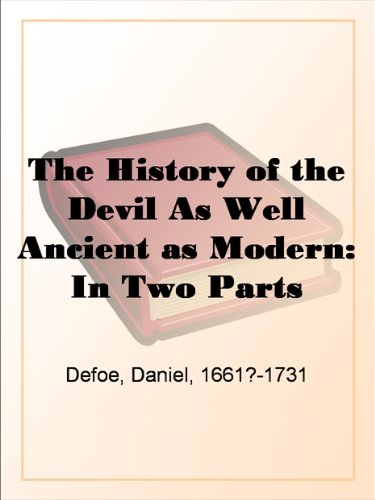 | 375 × 500 (29 KB) | Gabriele Boccaccini (talk | contribs) |
You cannot overwrite this file.
File usage
There are no pages that use this file.
